

What do you truly love to do?
That single question put educator Trevor MacKenzie and a struggling student on an unintended and life-changing journey of inquiry, discovery and meaningful learning. It was a journey that completely reshaped the way MacKenzie leads his classroom.
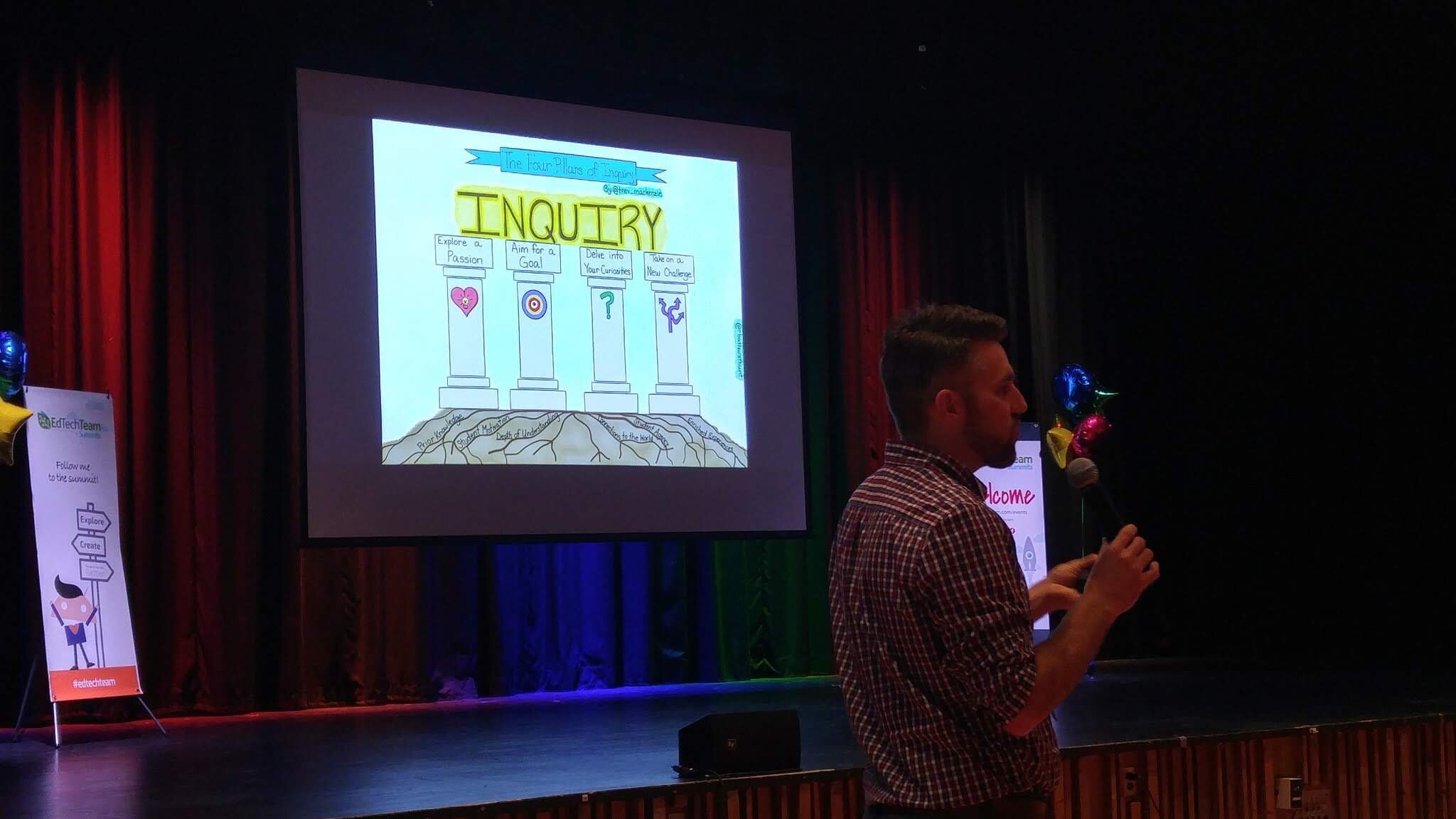
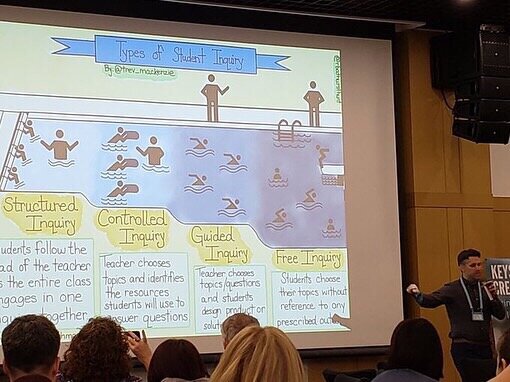
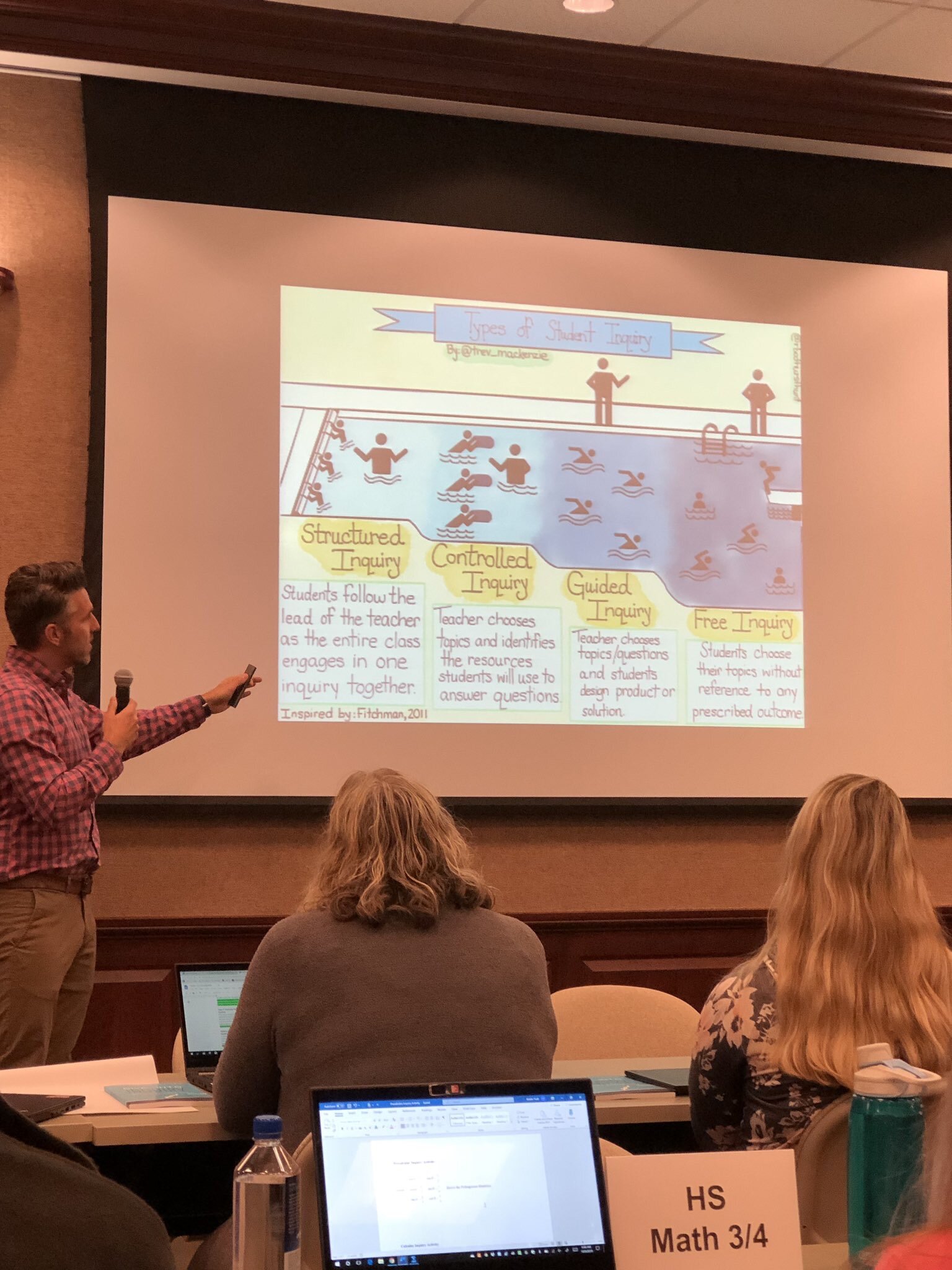
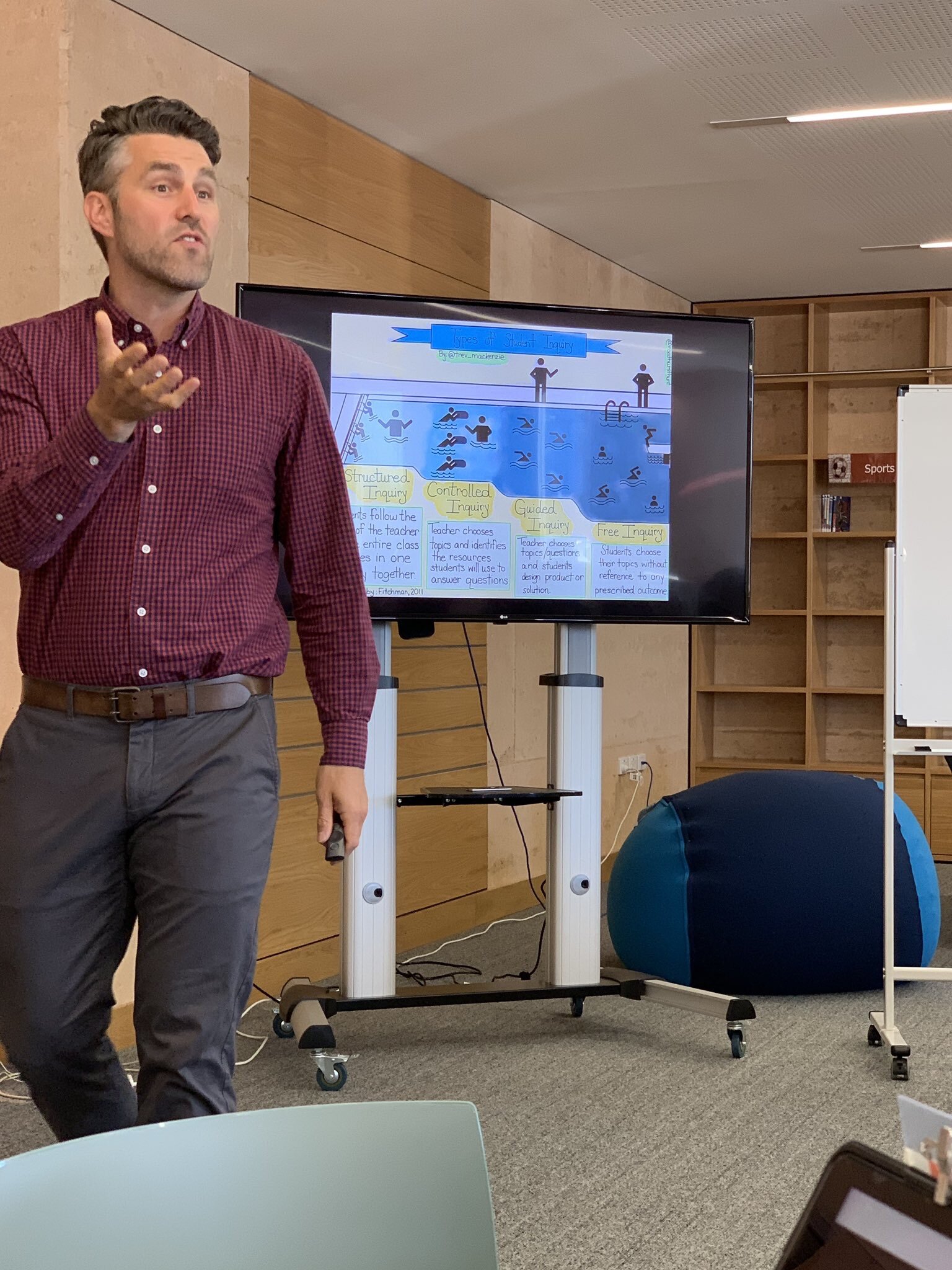
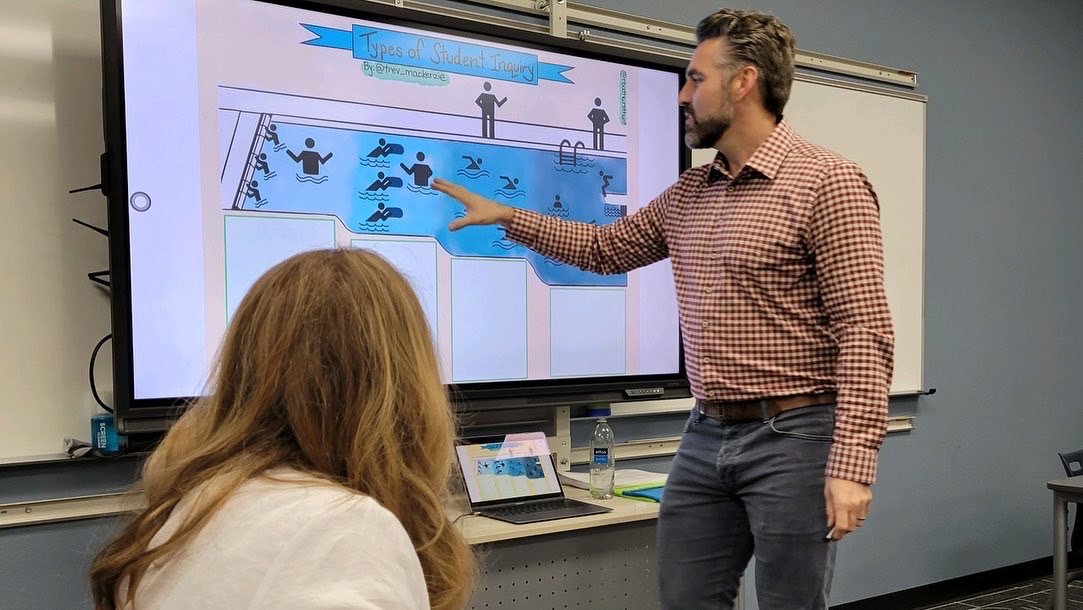
With the belief that all students deserve a chance to dig into their wonders and curiosities, MacKenzie proposes a scaffolded approach to student-centred learning by identifying the Types of Student Inquiry: Structured, Controlled, Guided and Free Inquiry. Each type requires students take progressively more control over their own learning. This inquiry-based learning model equips students to become lifelong learners by nurturing wonder, curiosity and agency in the classroom.
Have you read my most recent blog posts?

Learning Lab videos…
Upcoming Events…
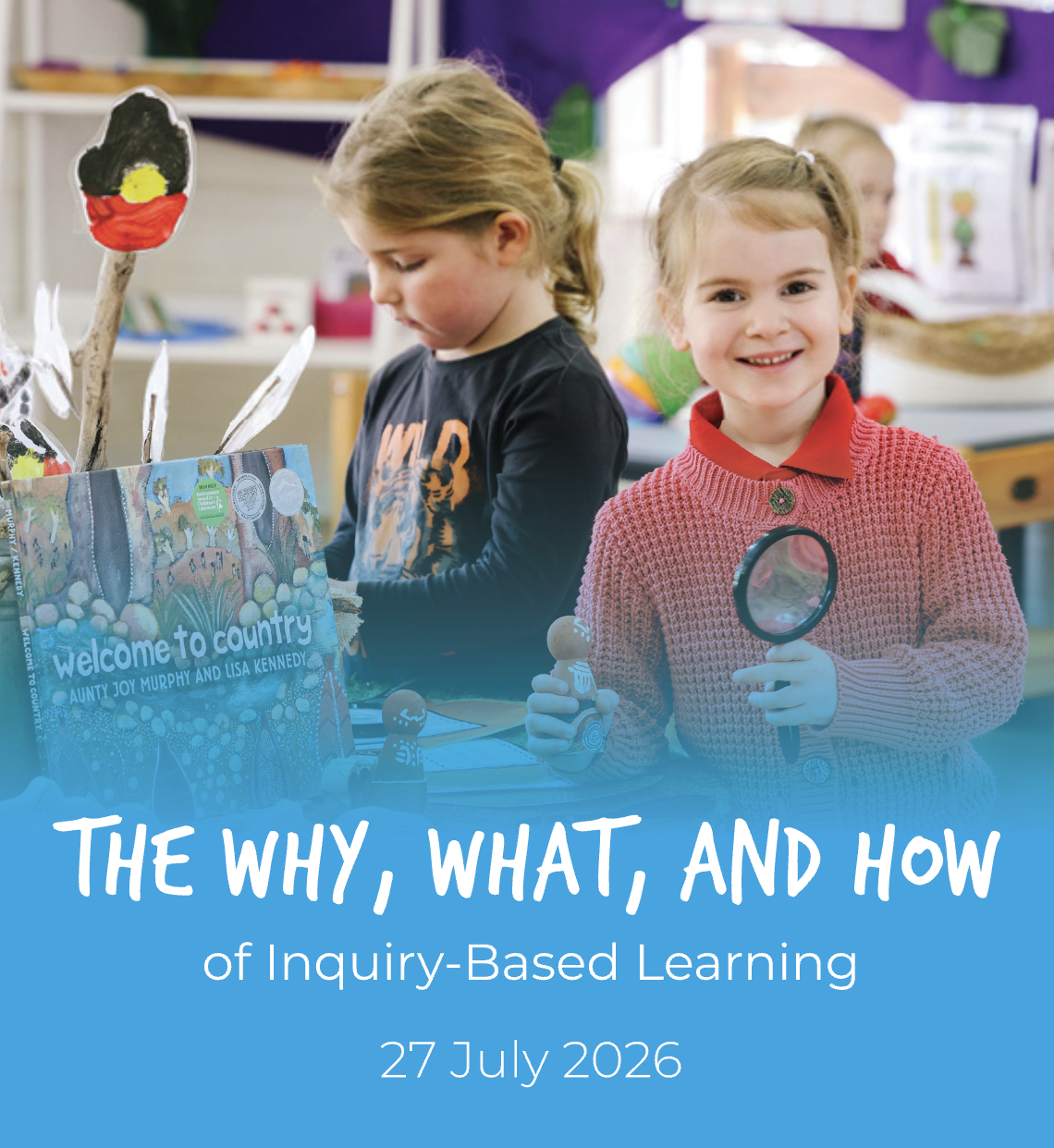
Returning to WA, Australia and CEWA in July 2026! Email Michelle to register at Michelle.Pietracatella@cewa.edu.au
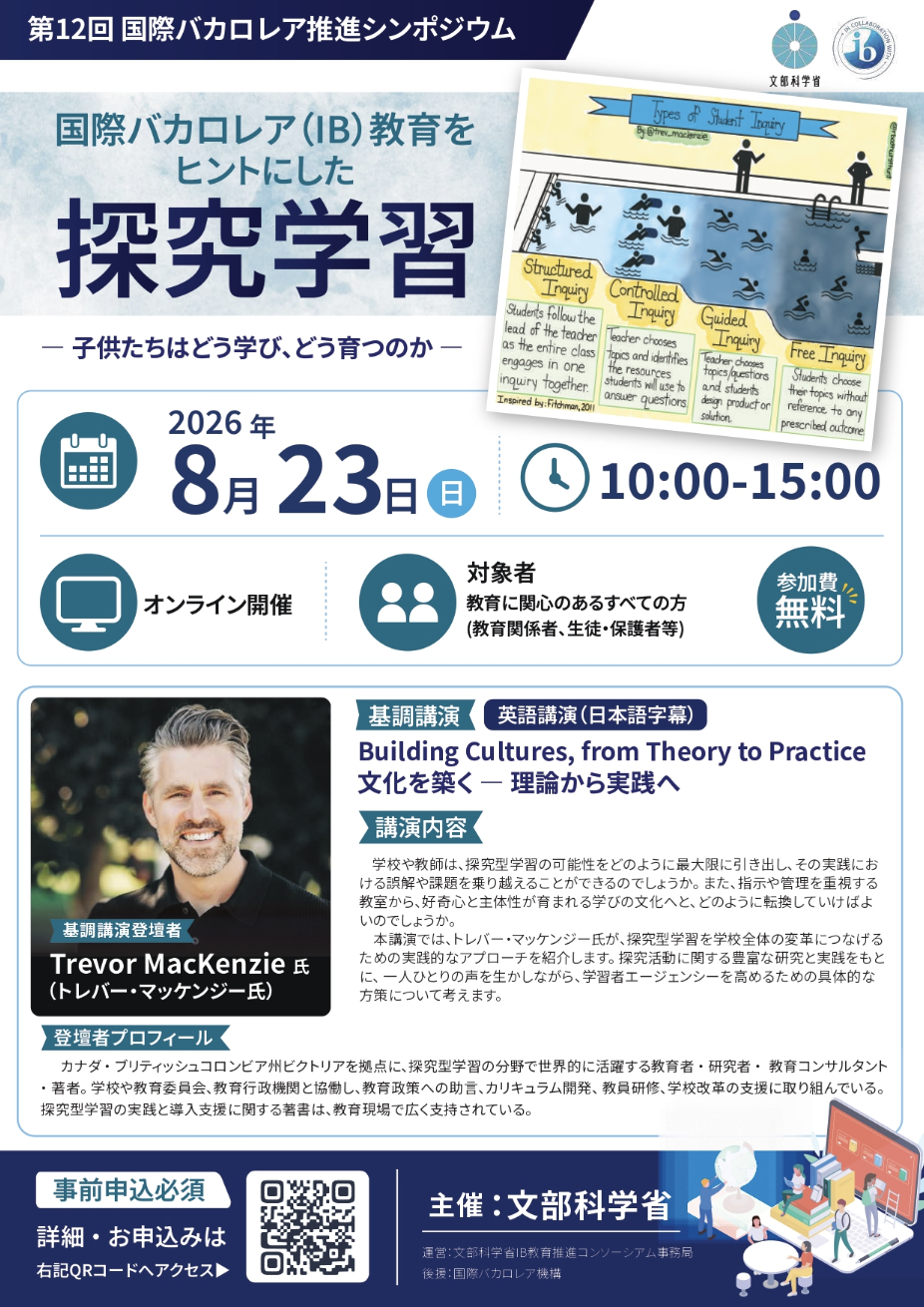
Trevor is keynoting this free online event, open to all! Click the image for details. Organized by Japan’s Ministry of Education, Culture, Sports, Science and Technology's IB Education Promotion Consortium.

Returning to Atlanta, GA September 24 & 25, 2026. Click the image for details!
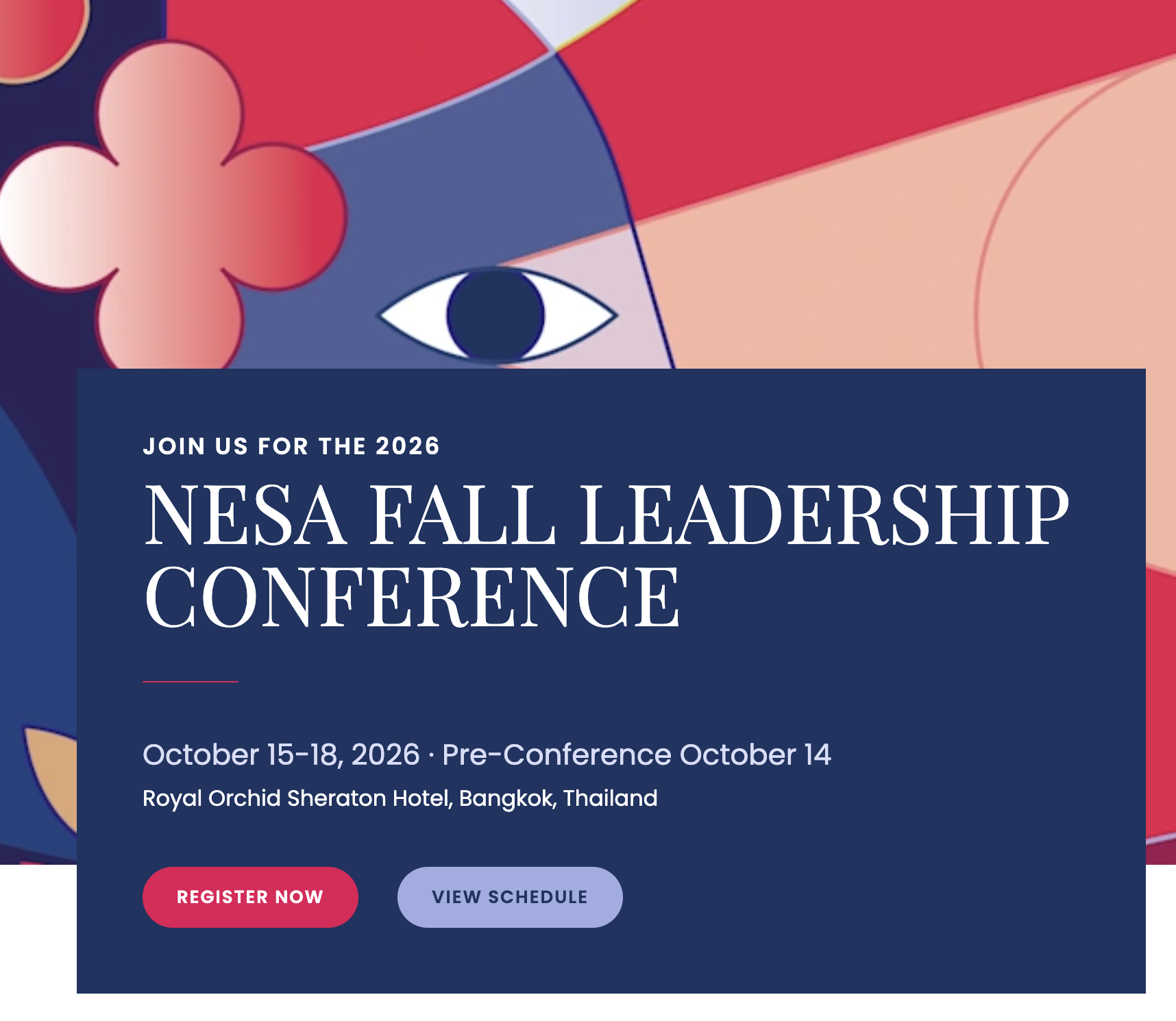
In October 2026 Trevor is returning to NESA, this time in Bangkok! Click the image for details.
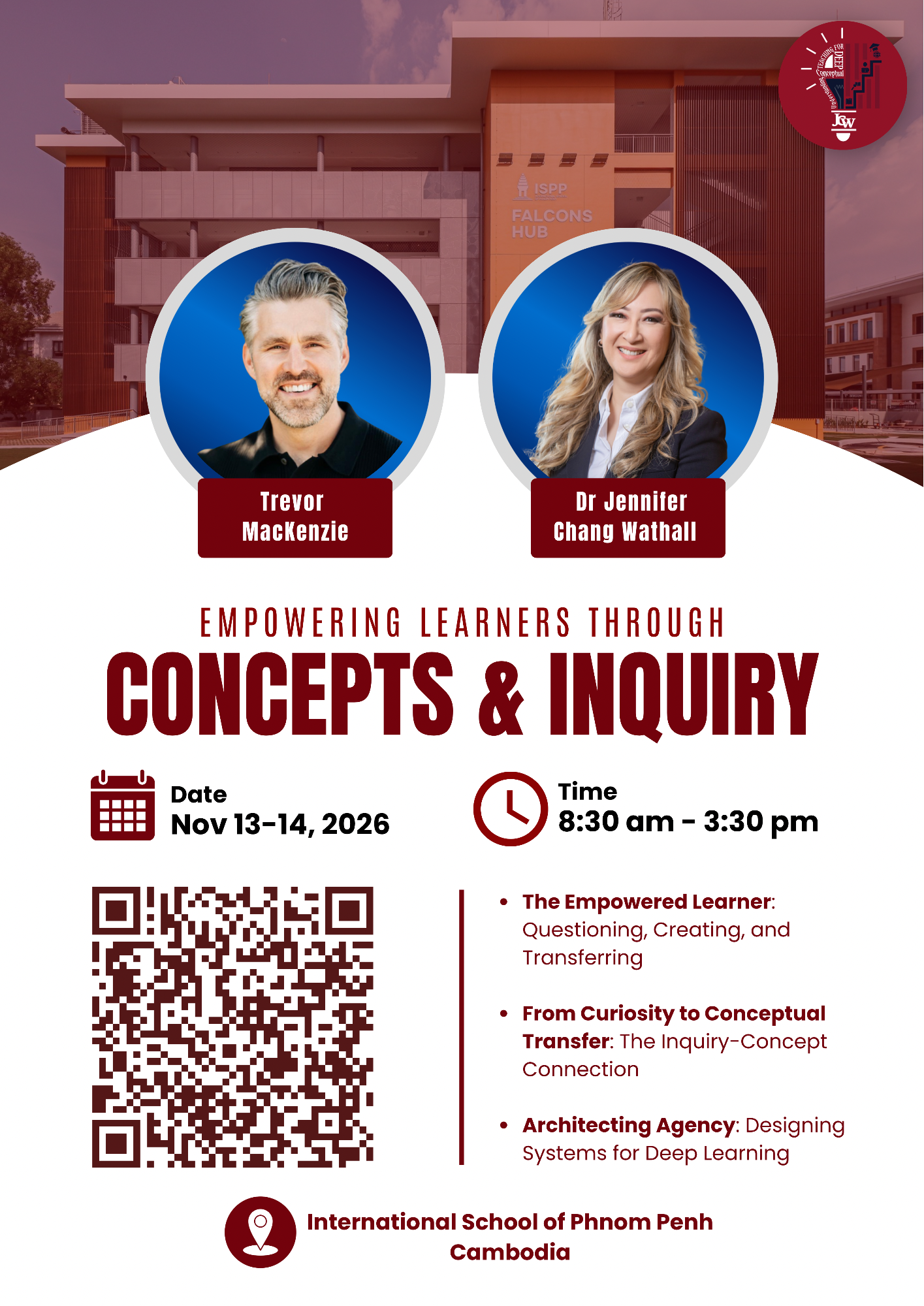
A special event in Cambodia, November 13 & 14. Click the image for details!
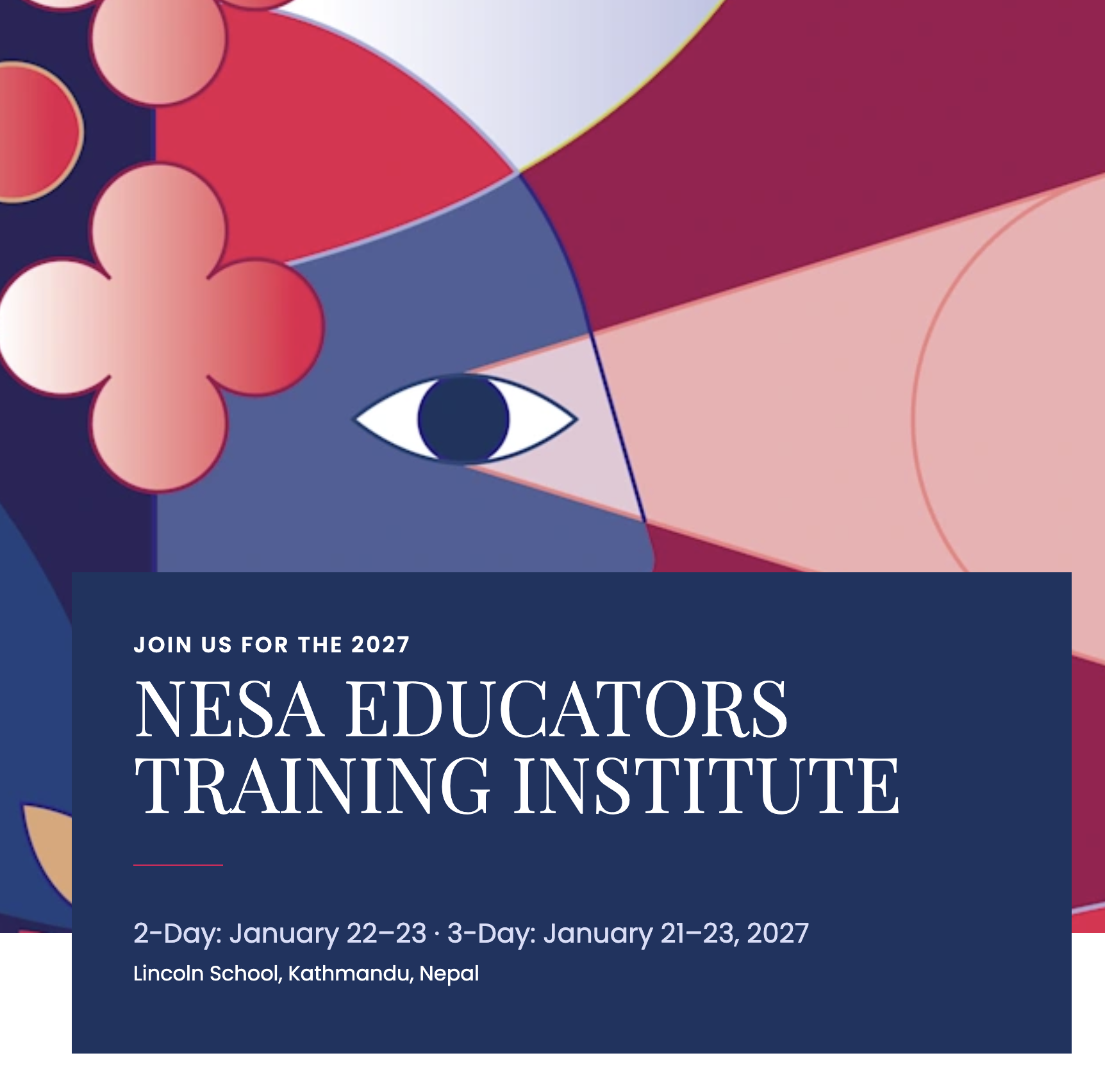
Trevor is furthering his partnership with NESA at the Educators Training Institute in Nepal, January 21024, 2027!

Trevor will be sharing his passion for inquiry at the 3rd annual TIS ECE Conference, March 2027. Stay tuned for details!

Free Resources
Explore a range of resource all designed to support your understanding and implementation of inquiry. Whether a book club guide, unit design templates, Flipgrid tutorials, all of the published sketchnotes (ready for you to download), or provocation hyperdocs, we have a continuously growing range of resources for you to access for free. Simply click the image!
This area is password protected and access is given when you subscribe to our newsletter. Once inside the Exclusive Content zone everything is free.

Free Sketchnotes
Download all of our helpful sketchnotes for your use in your classrooms with your students or to use with your staff and colleagues to discuss inquiry to support your professional development and collaborative learning.
Access to these sketchnotes is entirely free. Bring the power of inquiry to your school, your staff, and your learners. Each of these sketchnotes is its own special entry point into the rich conversation about student agency, wonderment, and empowering the learner.













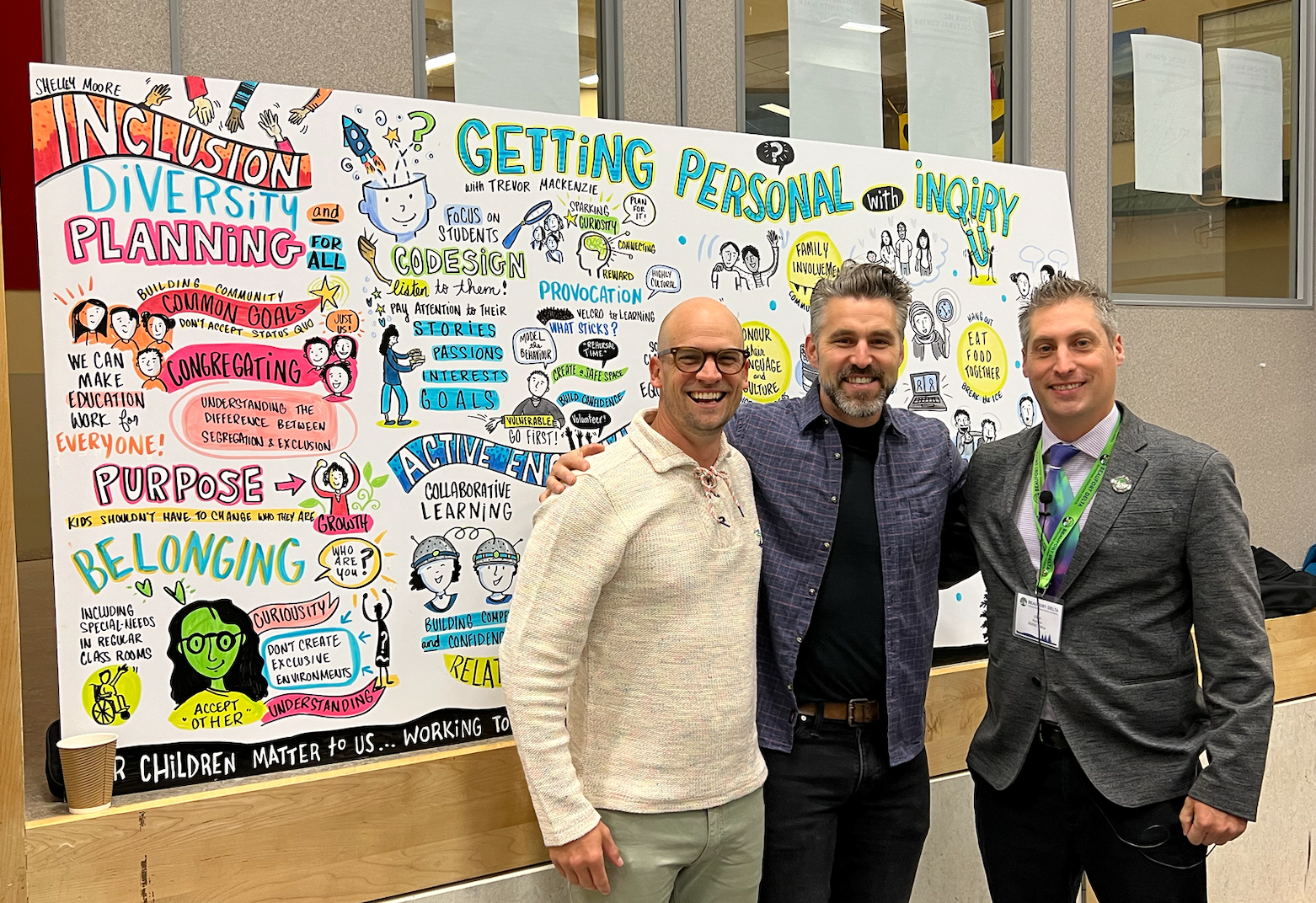
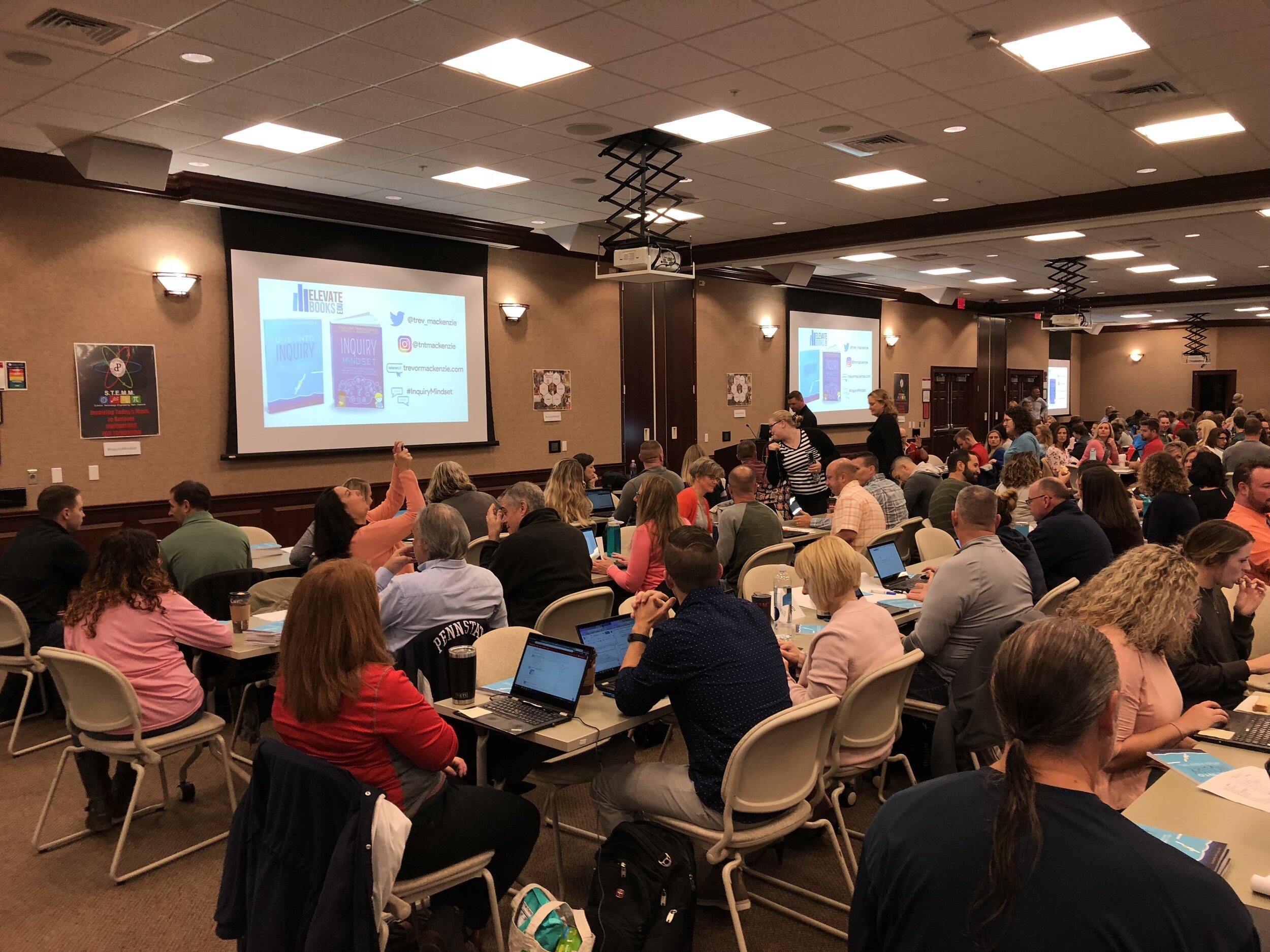

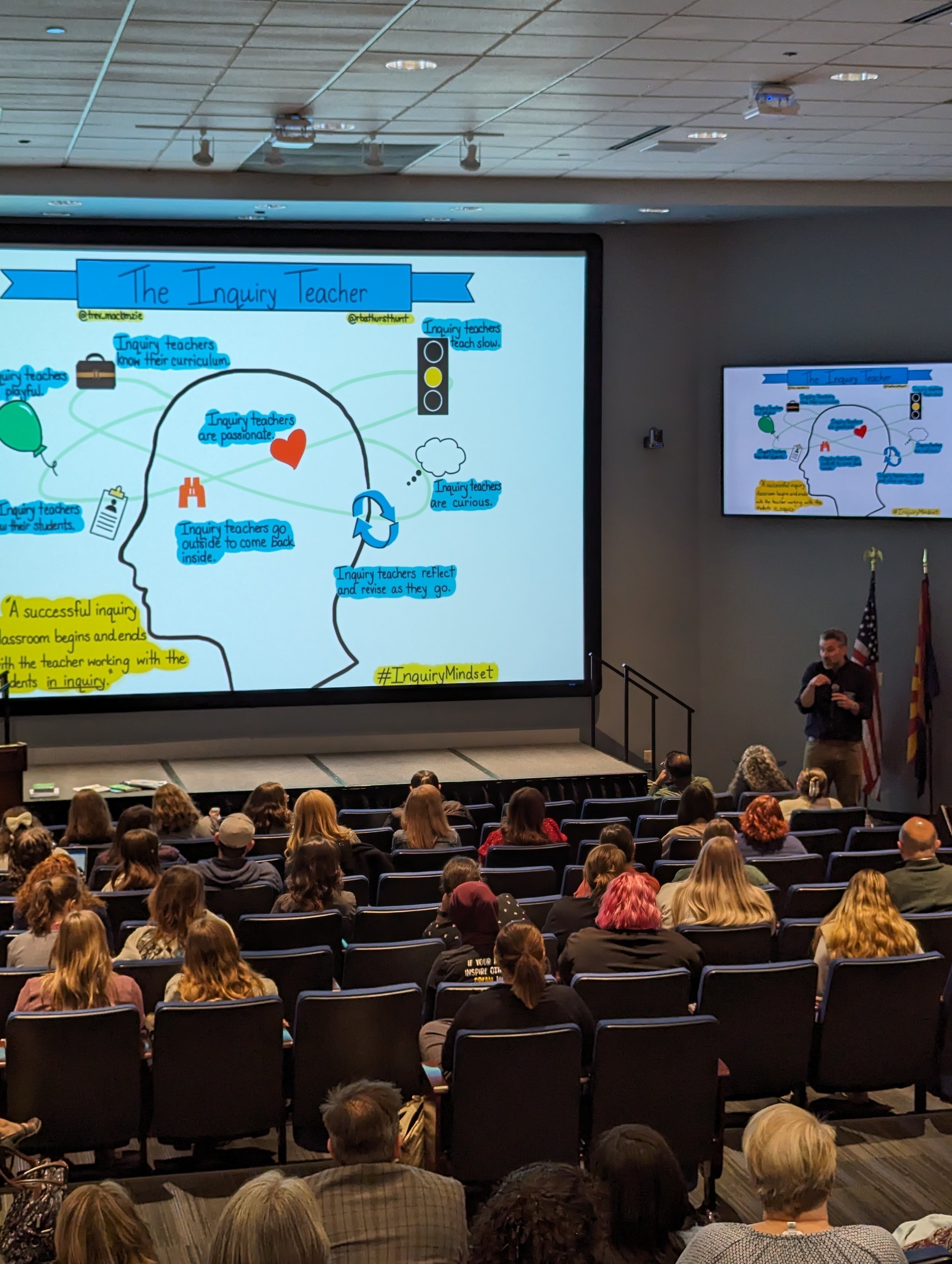
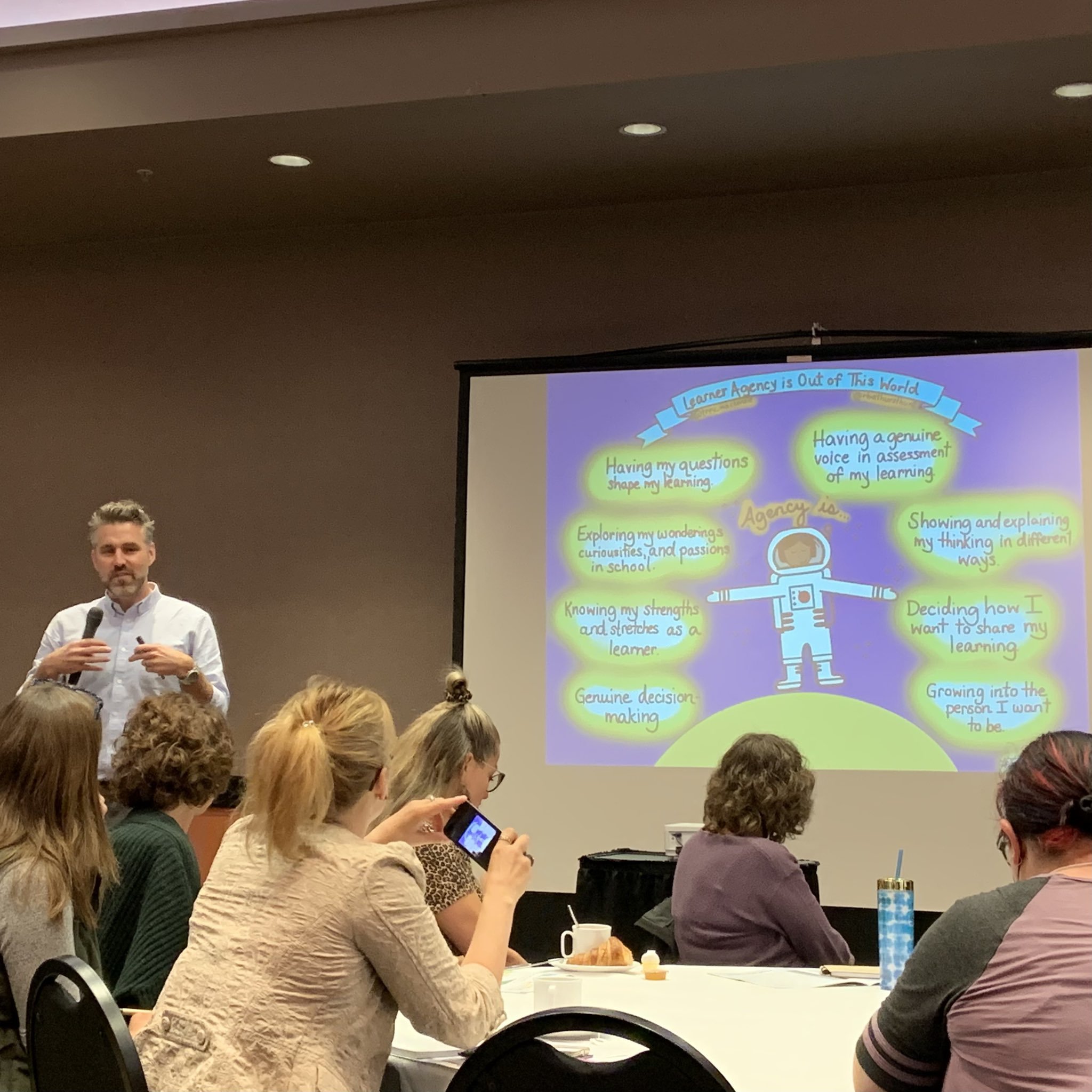



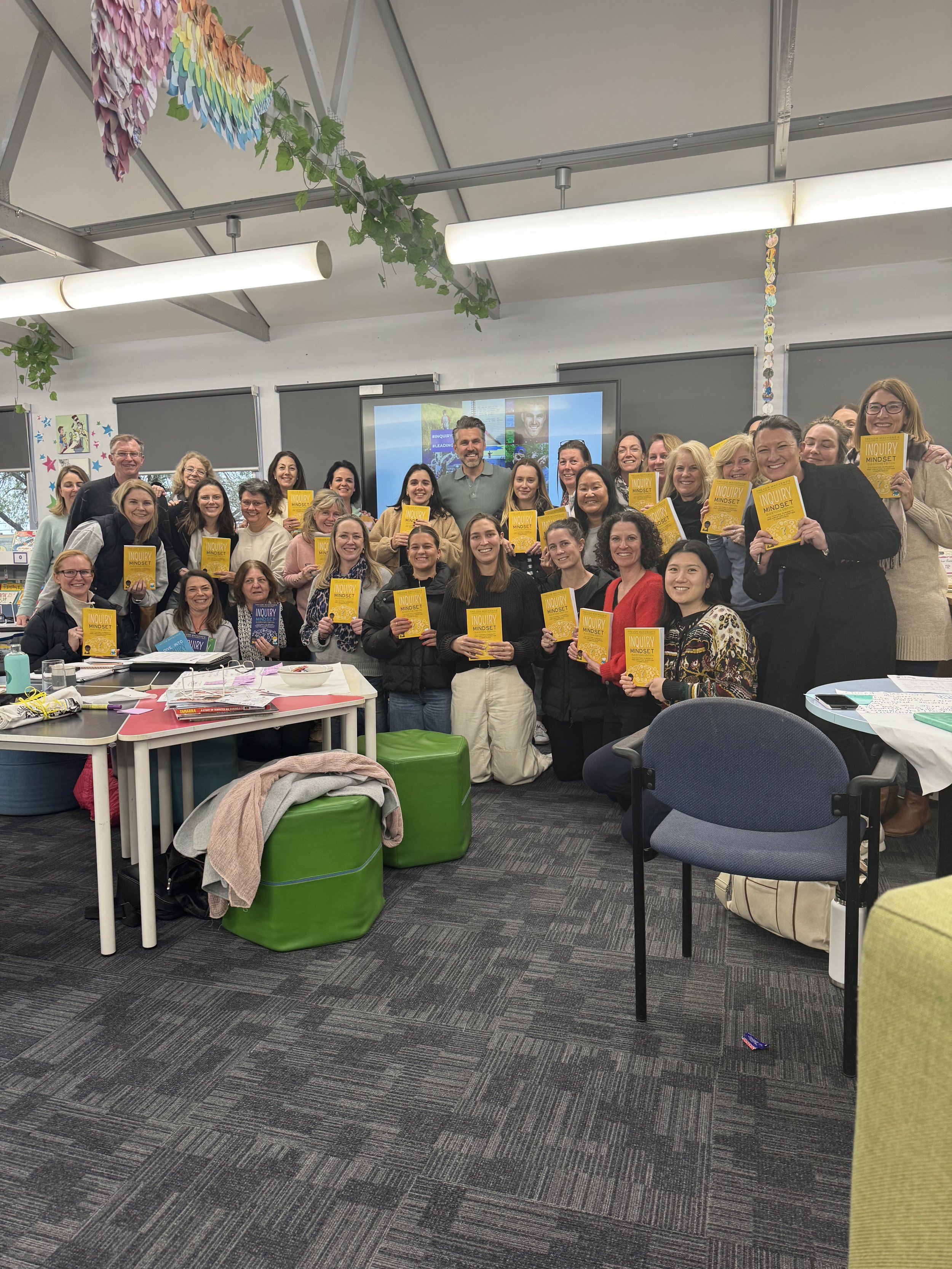

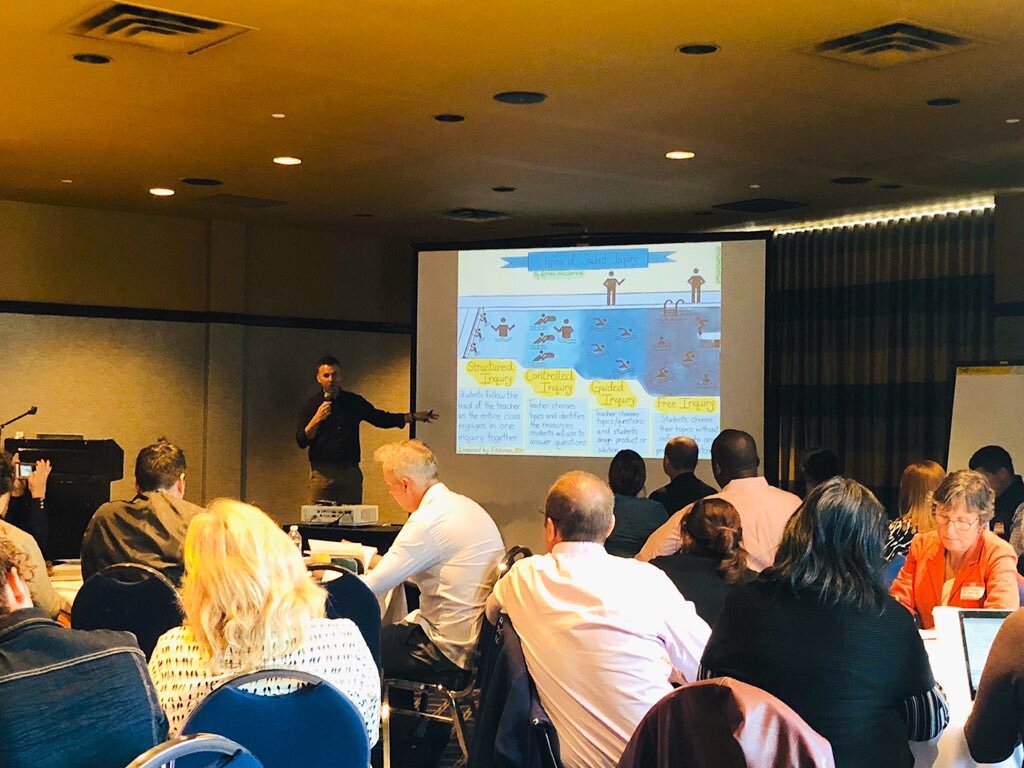






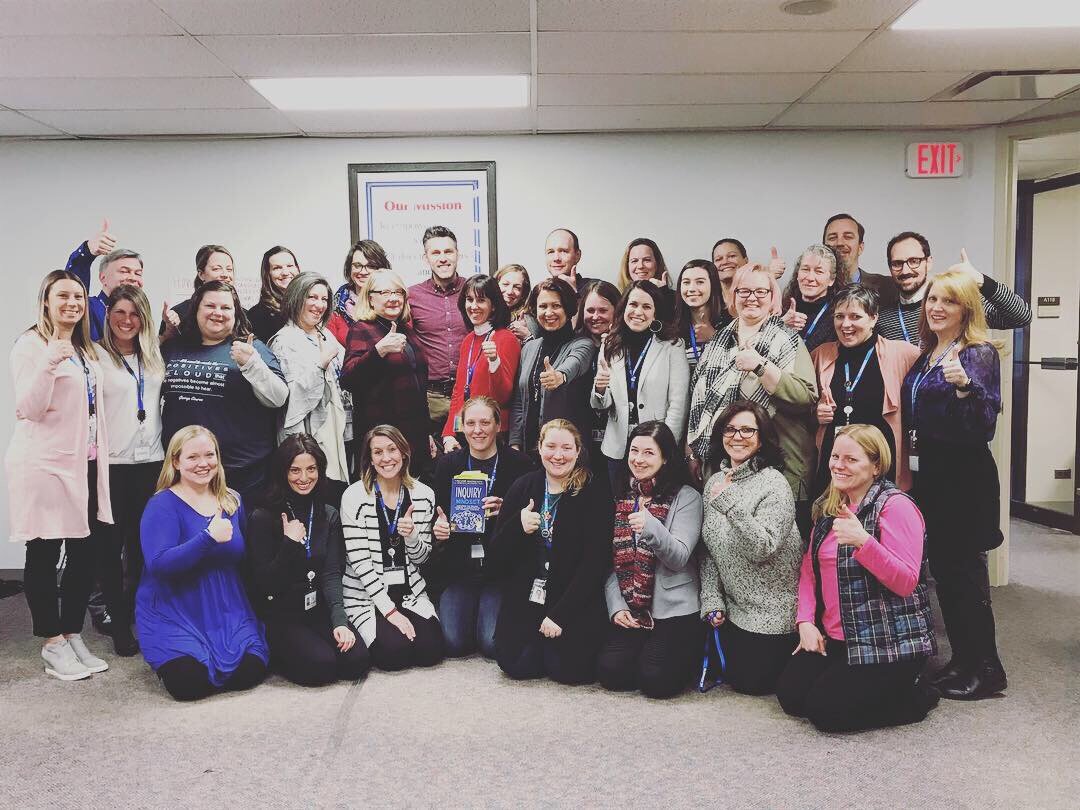
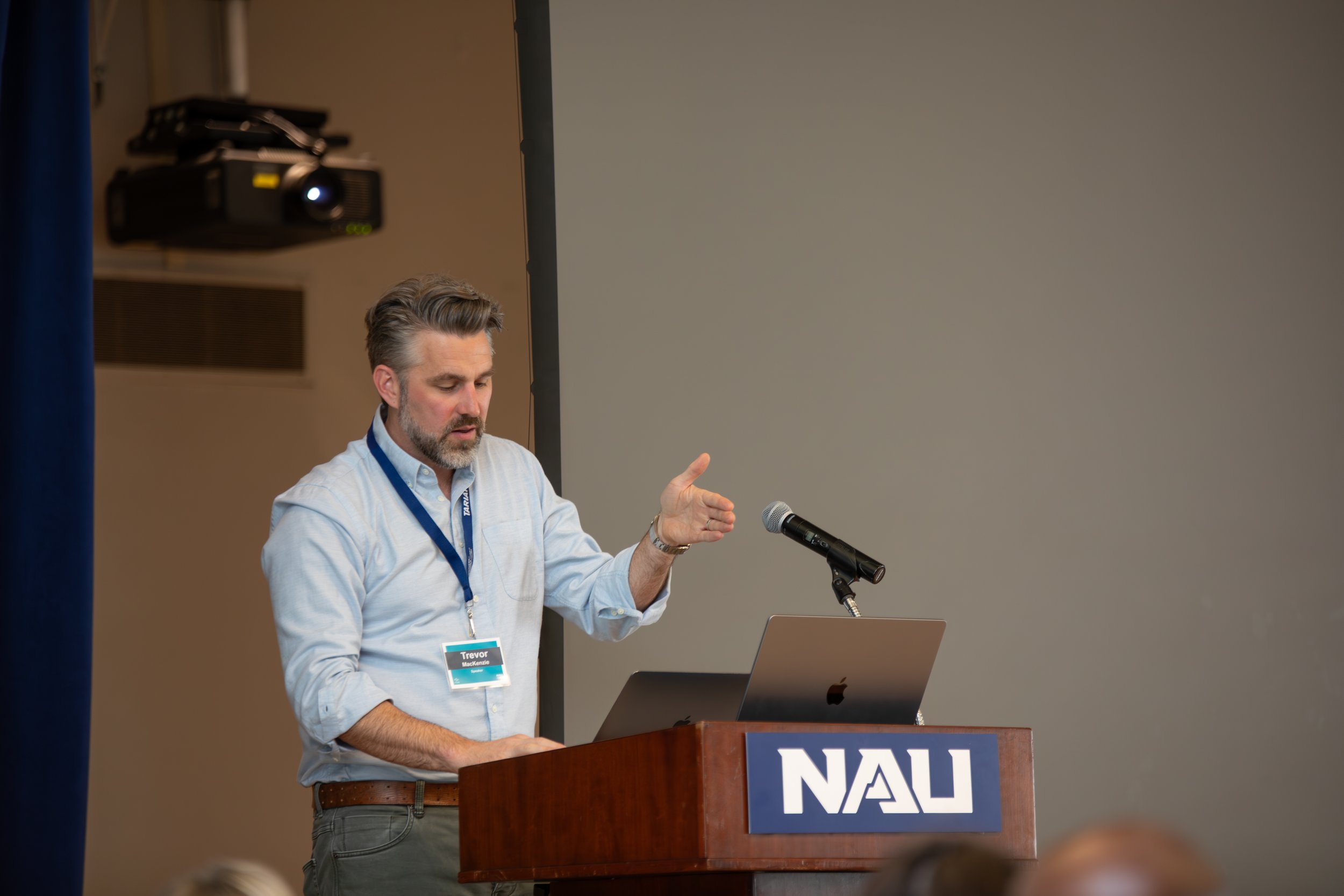
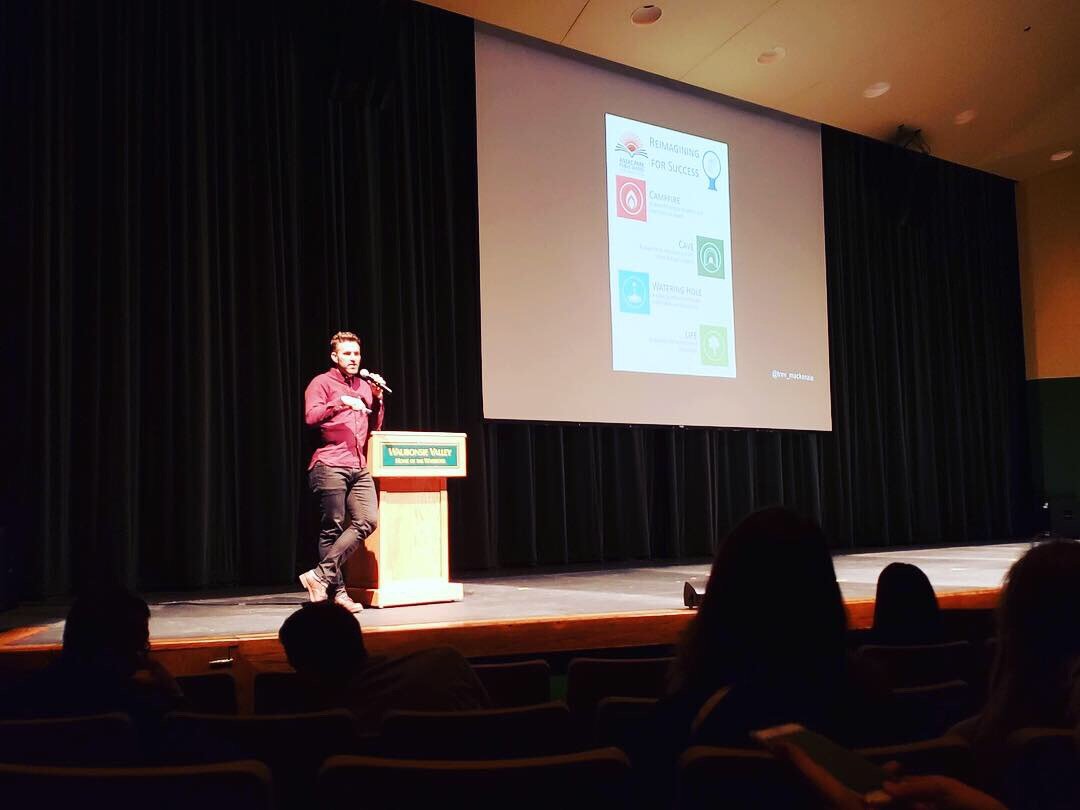
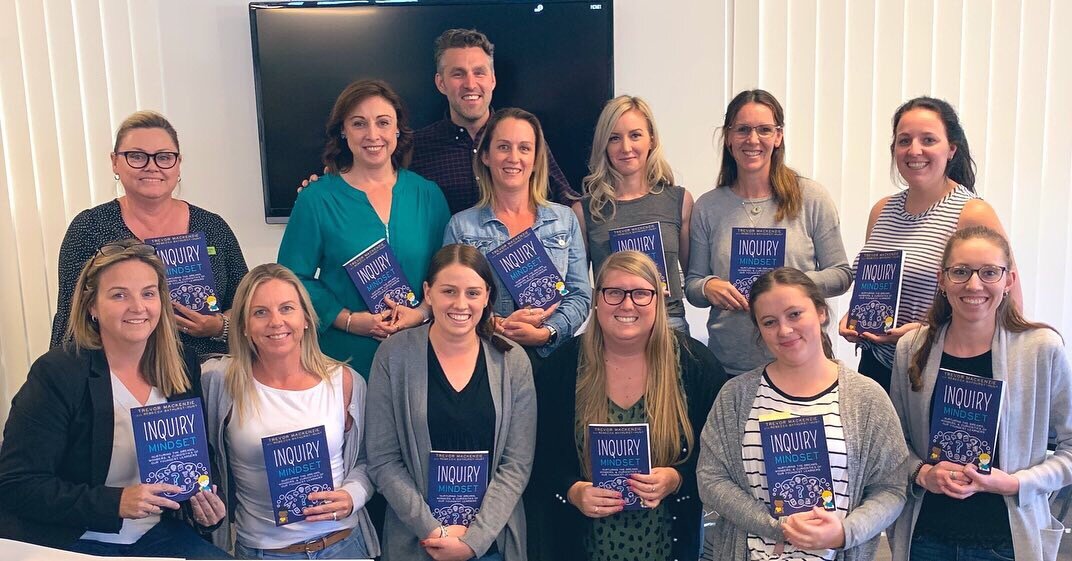



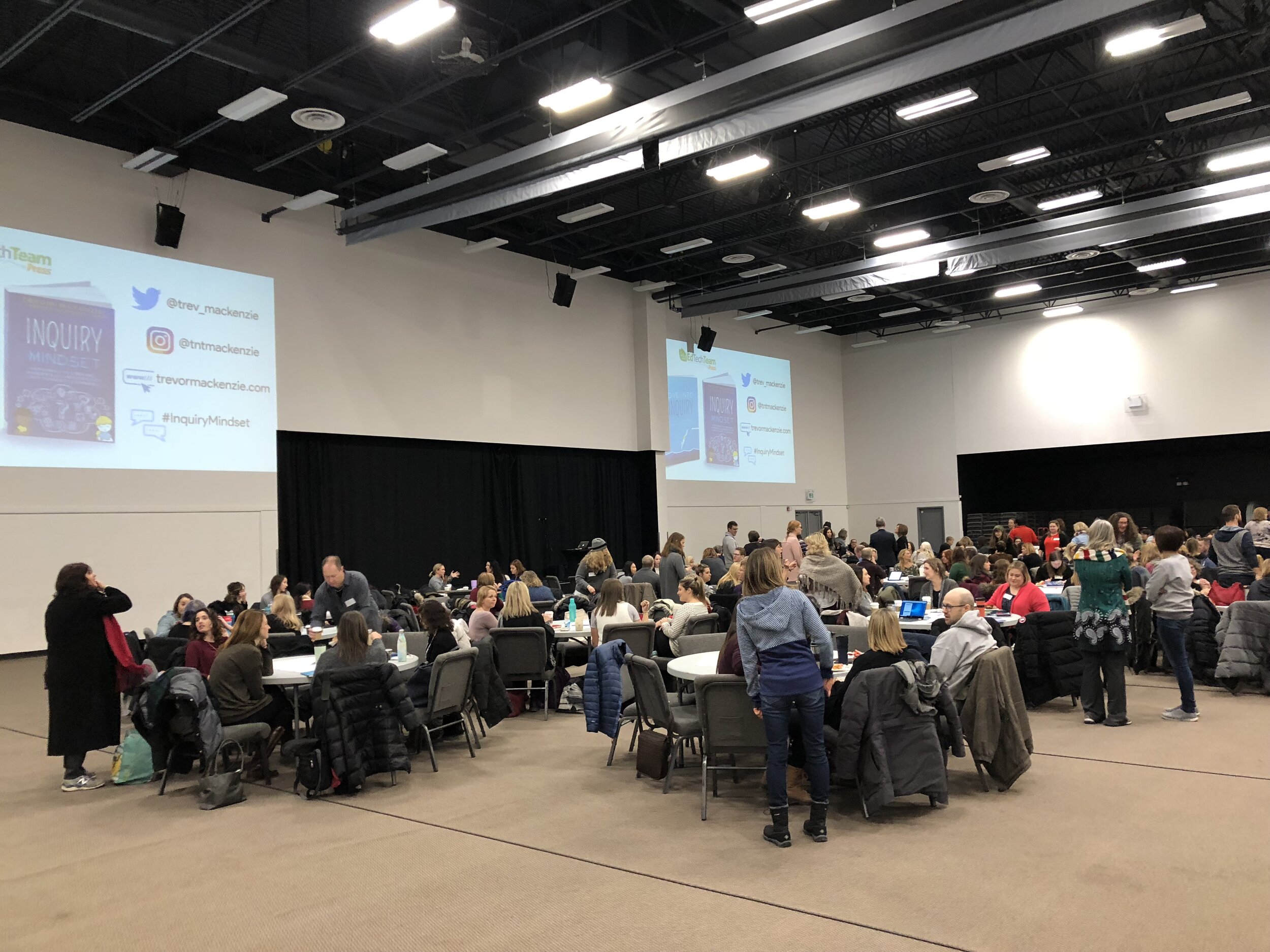
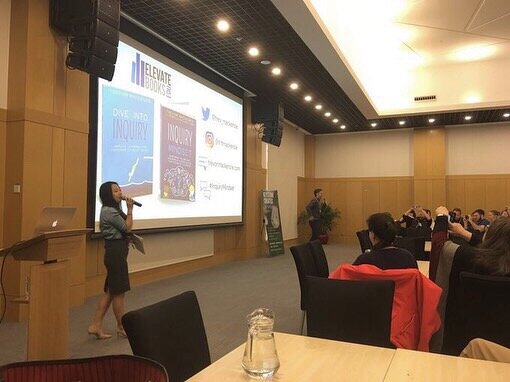
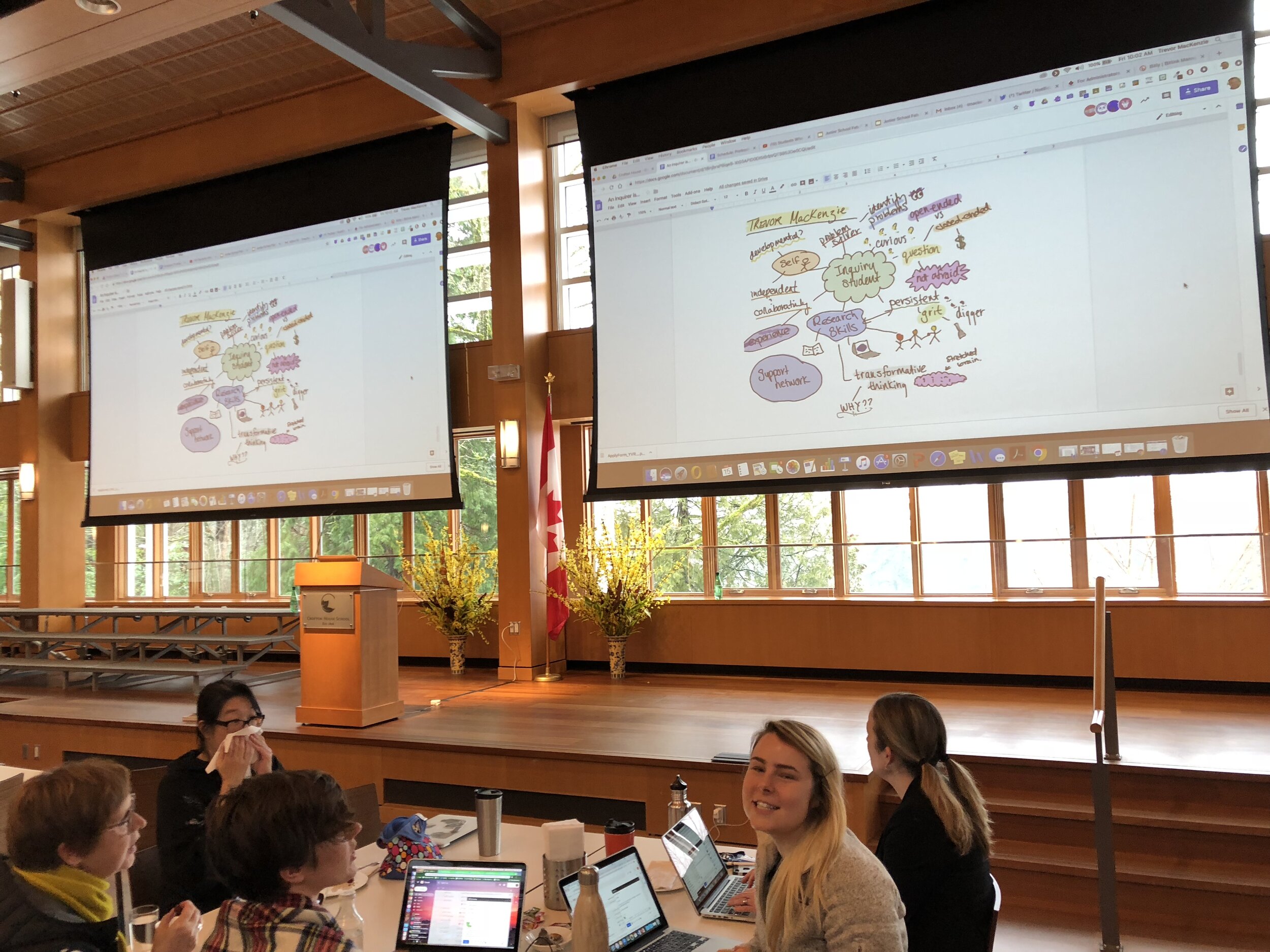
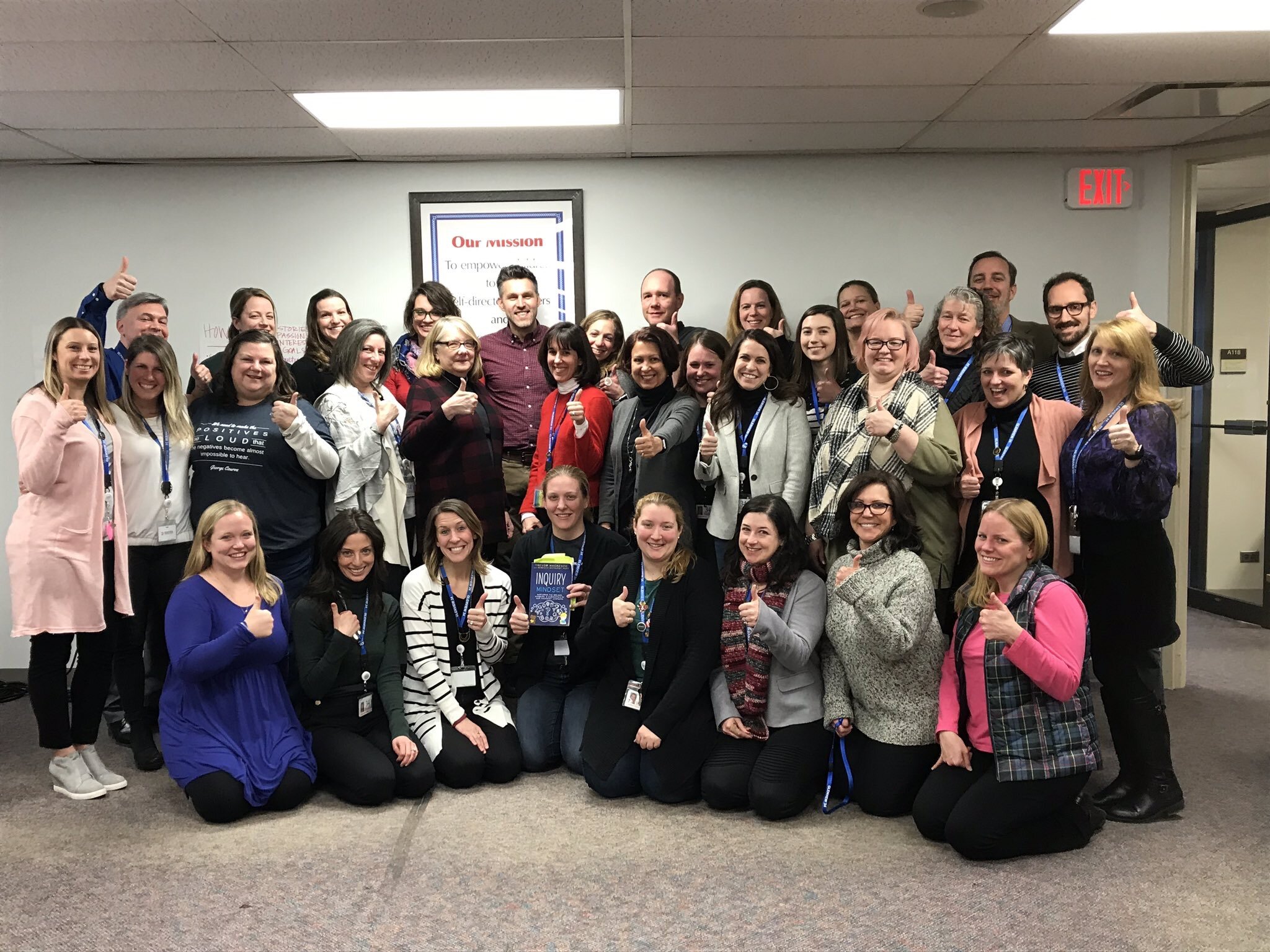



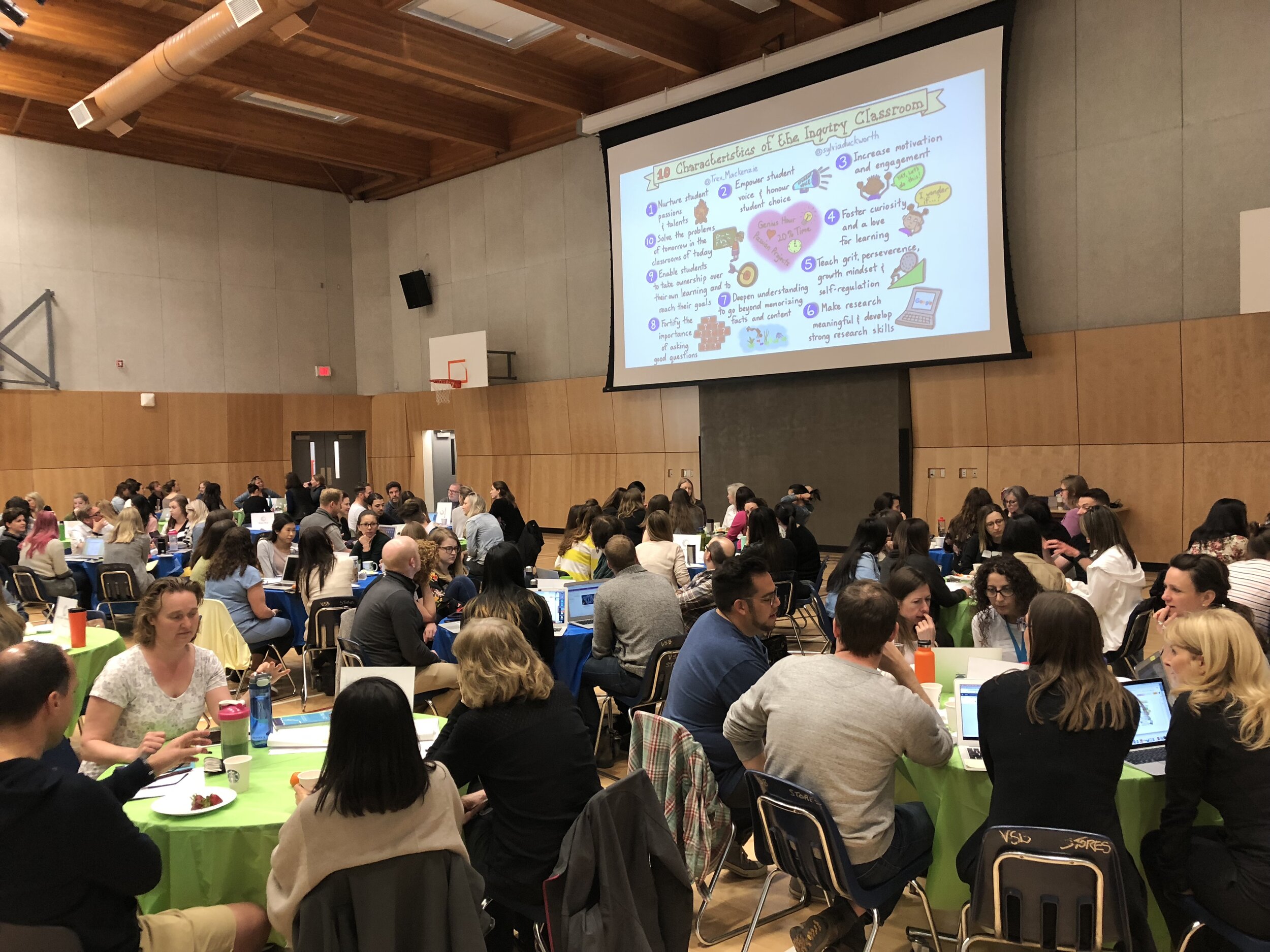
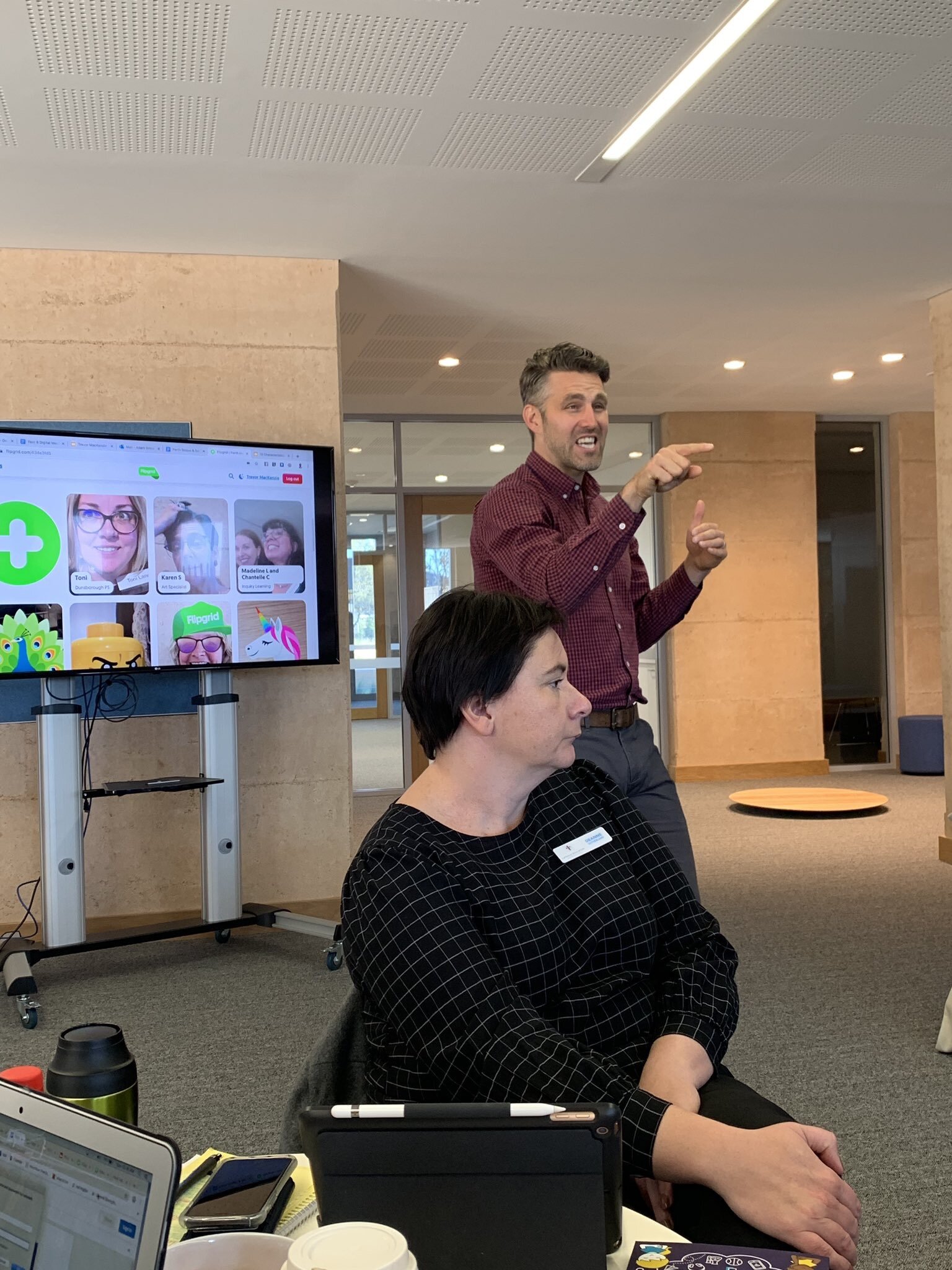
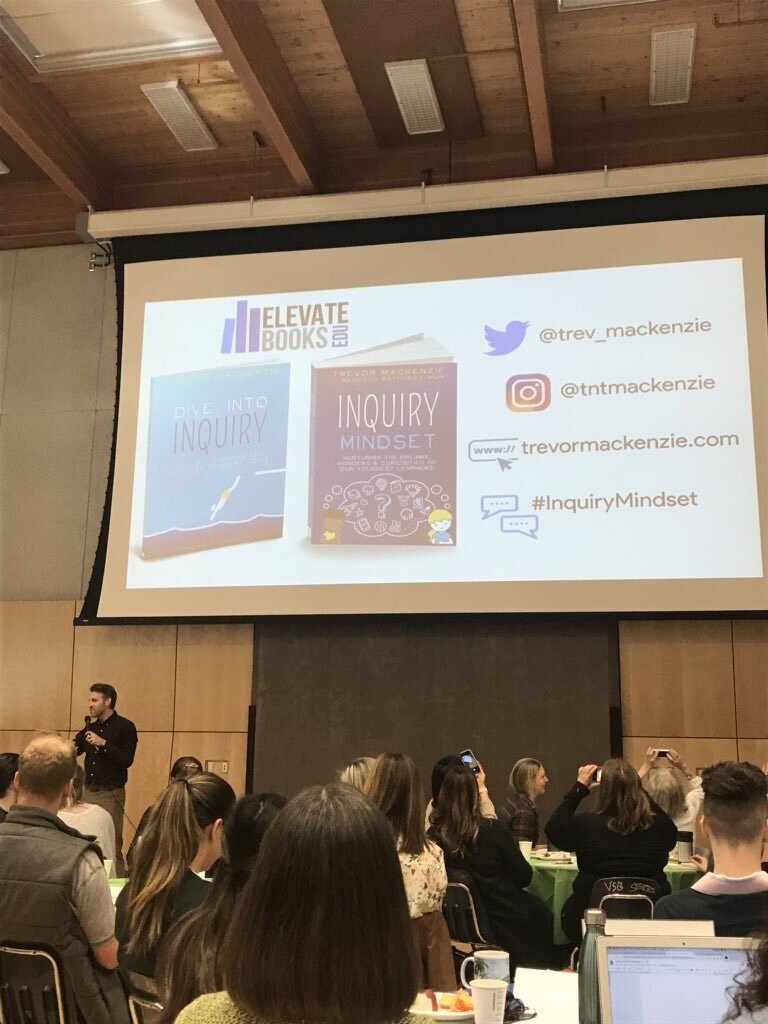



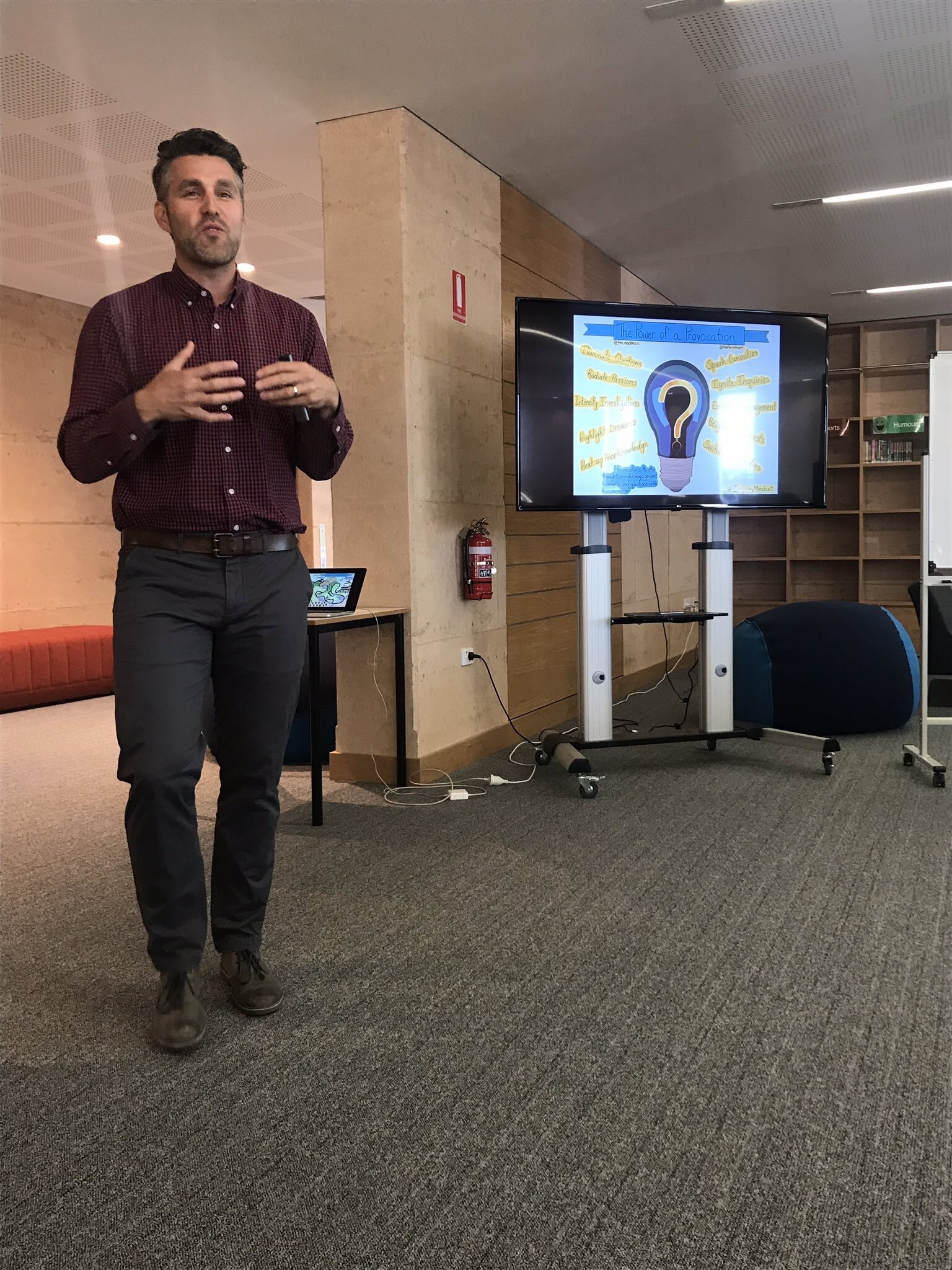
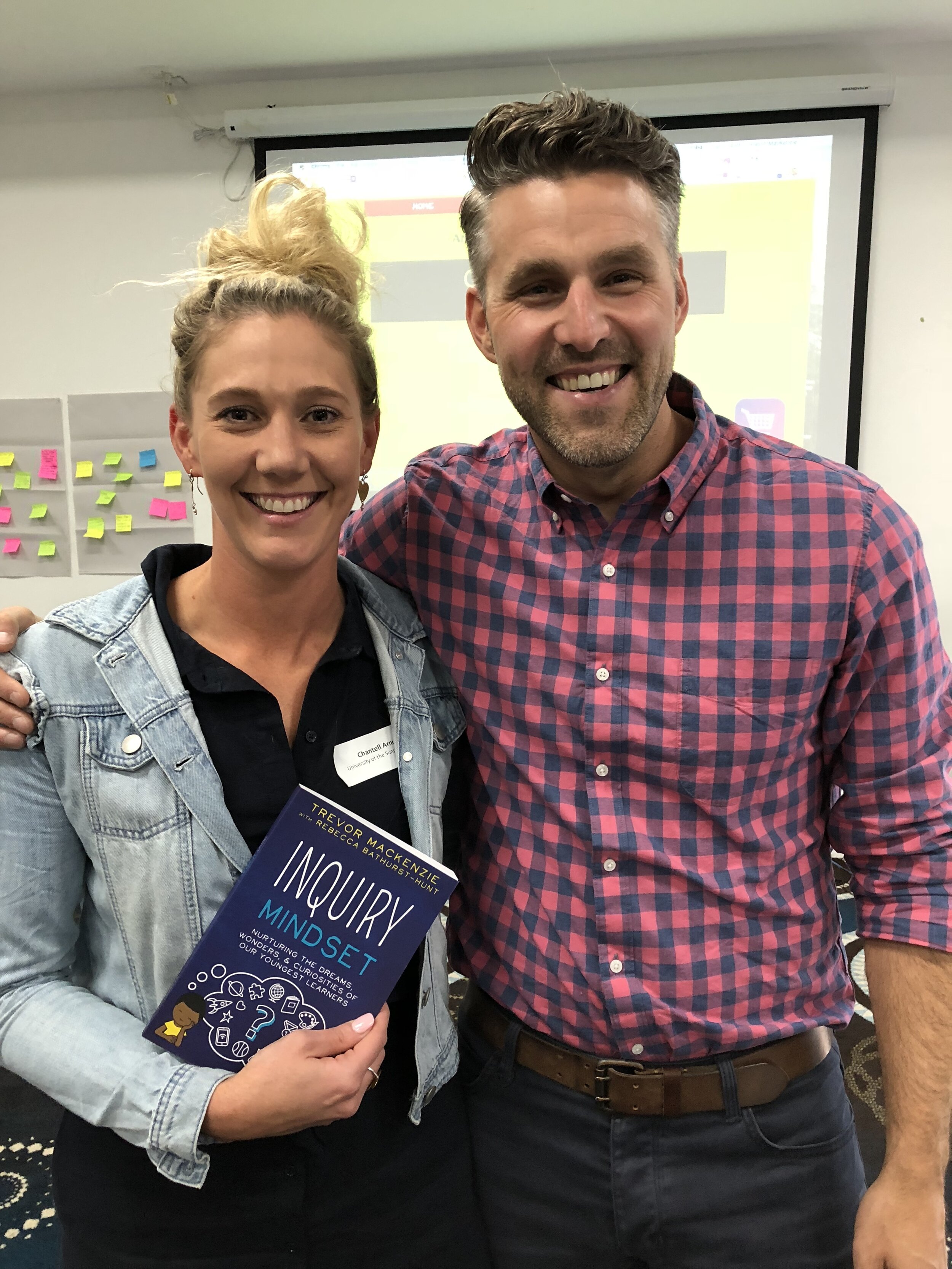
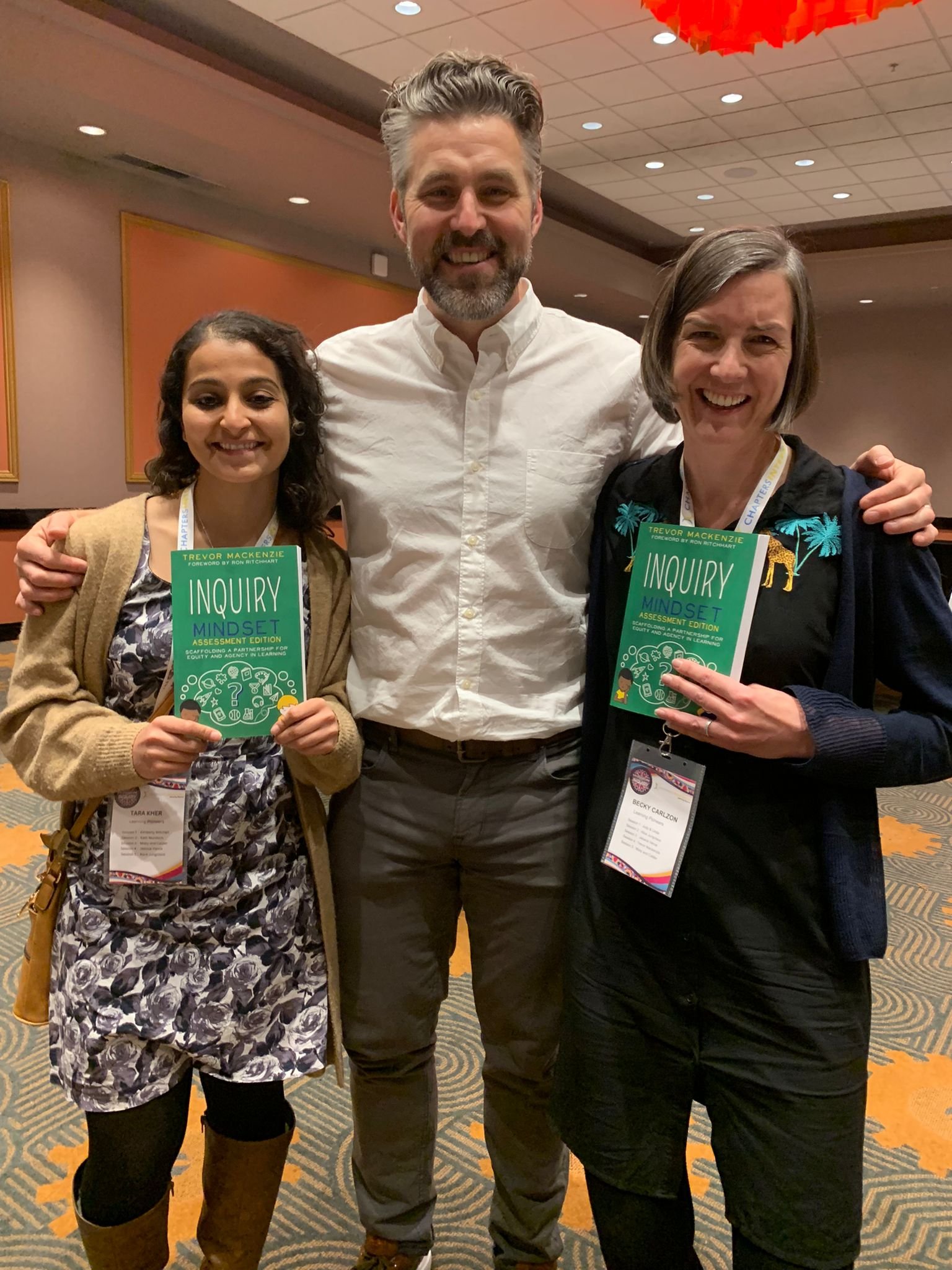





What I’m Up To Gallery
Sometimes the simplest strategies and tools can lead to amazing outcomes. Recently I was reminded of the powerful return on investment in using noticing frames. Noticing frames, quite simply, are a variety of shapes cut into frames. Whether it be circles, squares, or rectangles, the frames are used to support independence, critical thinking, collaboration, and language acquisition. Typically noticing frames are introduced and utilized during a provocation experience, inviting students to look more closely, sharpen their eye, and get more specific in their observations.