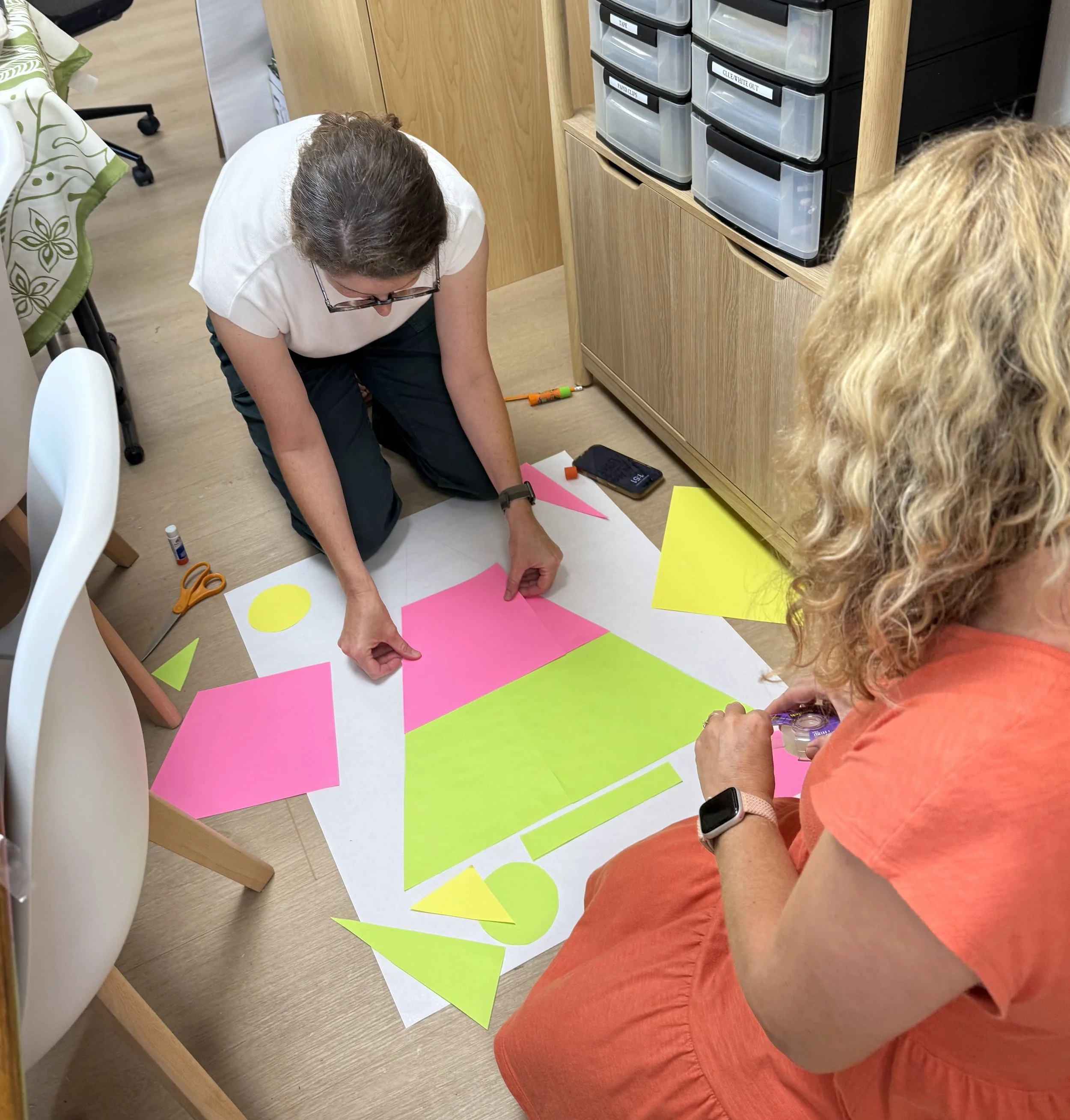
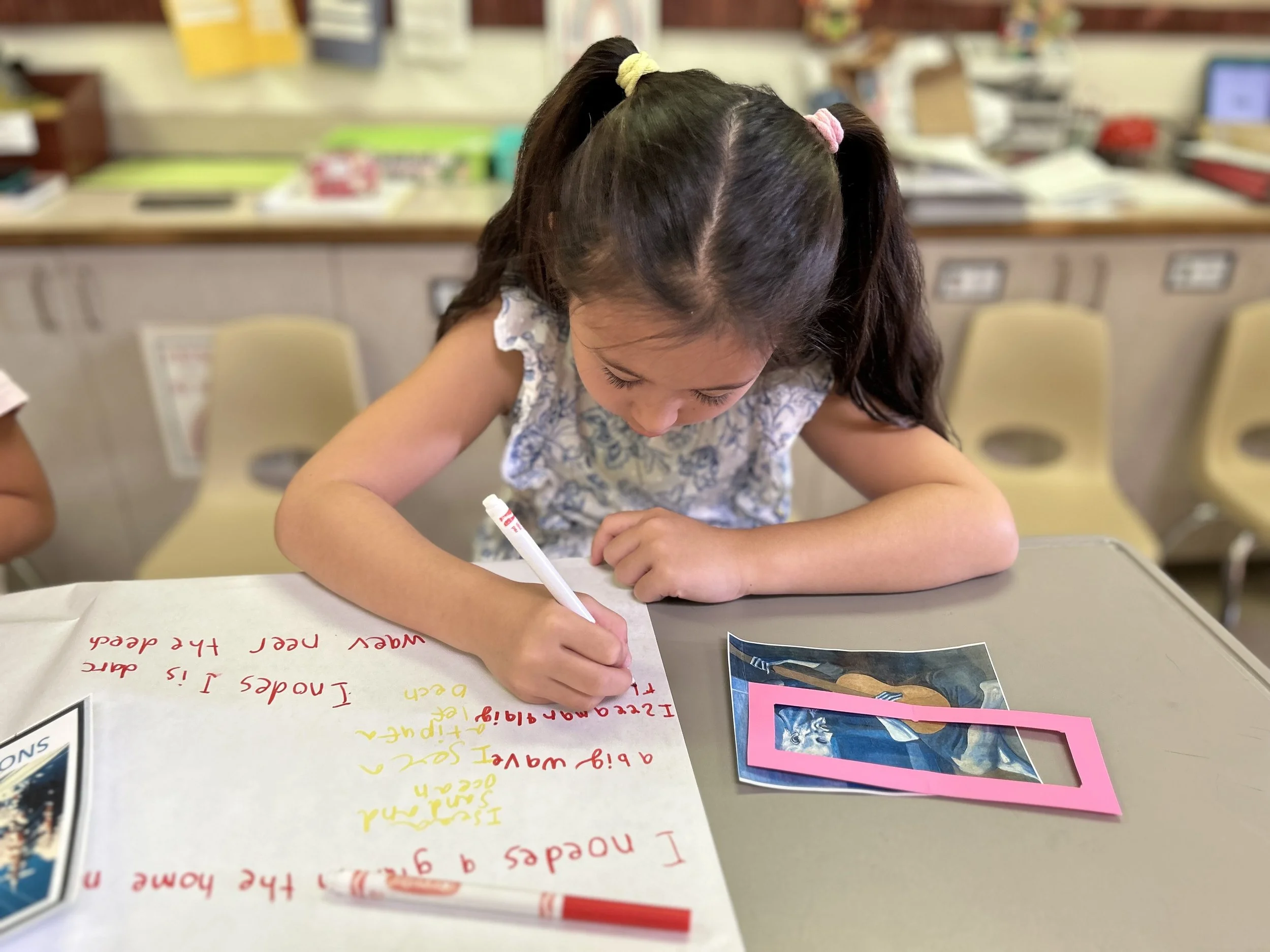
Sometimes the simplest strategies can lead to amazing outcomes. Recently I was reminded of the powerful return on investment in using noticing frames to deepen inquiry.
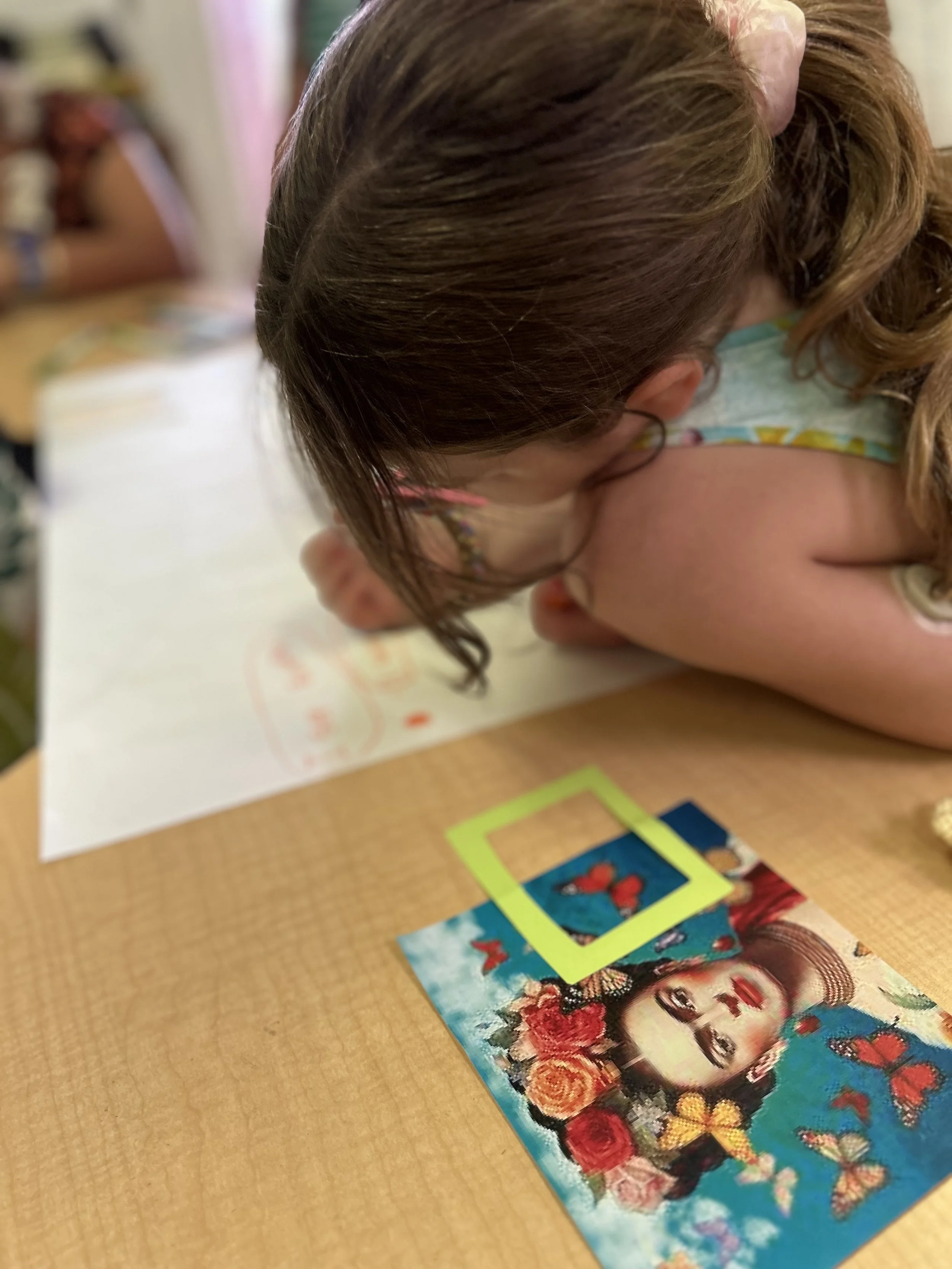
Noticing frames, quite simply, are a variety of shapes cut into frames. Whether it be circles, squares, or rectangles, noticing frames are used to support independence, critical thinking, collaboration, and language acquisition. Typically noticing frames are introduced and utilized during a provocation experience, inviting students to look more closely, sharpen their eye, for detail and get more specific in their observations.
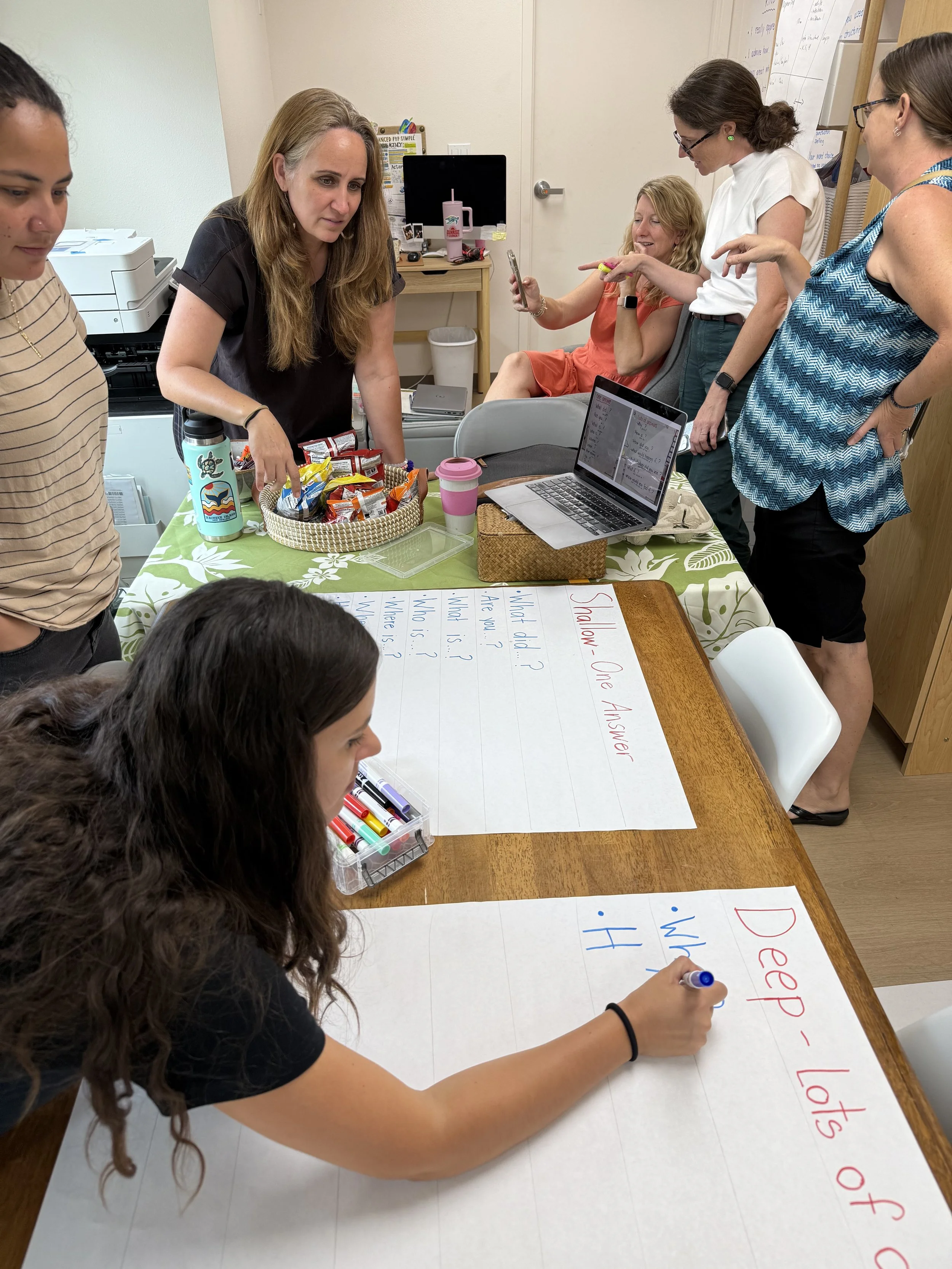
We used noticing frames in a recent learning lab with colleagues at Le Jardin Academy, Hawaii. In a grade two lesson with Kauilani Ahlo-Souza, we facilitated a provocation station rotation where students rotated through a series of image provocations all tied to their inquiry into how we express ourselves. In groups of three, students explored and discussed a bundle of beautiful photos and artwork and were prompted to jot their ideas on anchor charts to the following questions:
What do you notice? What do you feel is important in the images?
What connections can you make? What do the images make you think of? Do the images remind you of anything?
What are you curious about? What questions might you have?
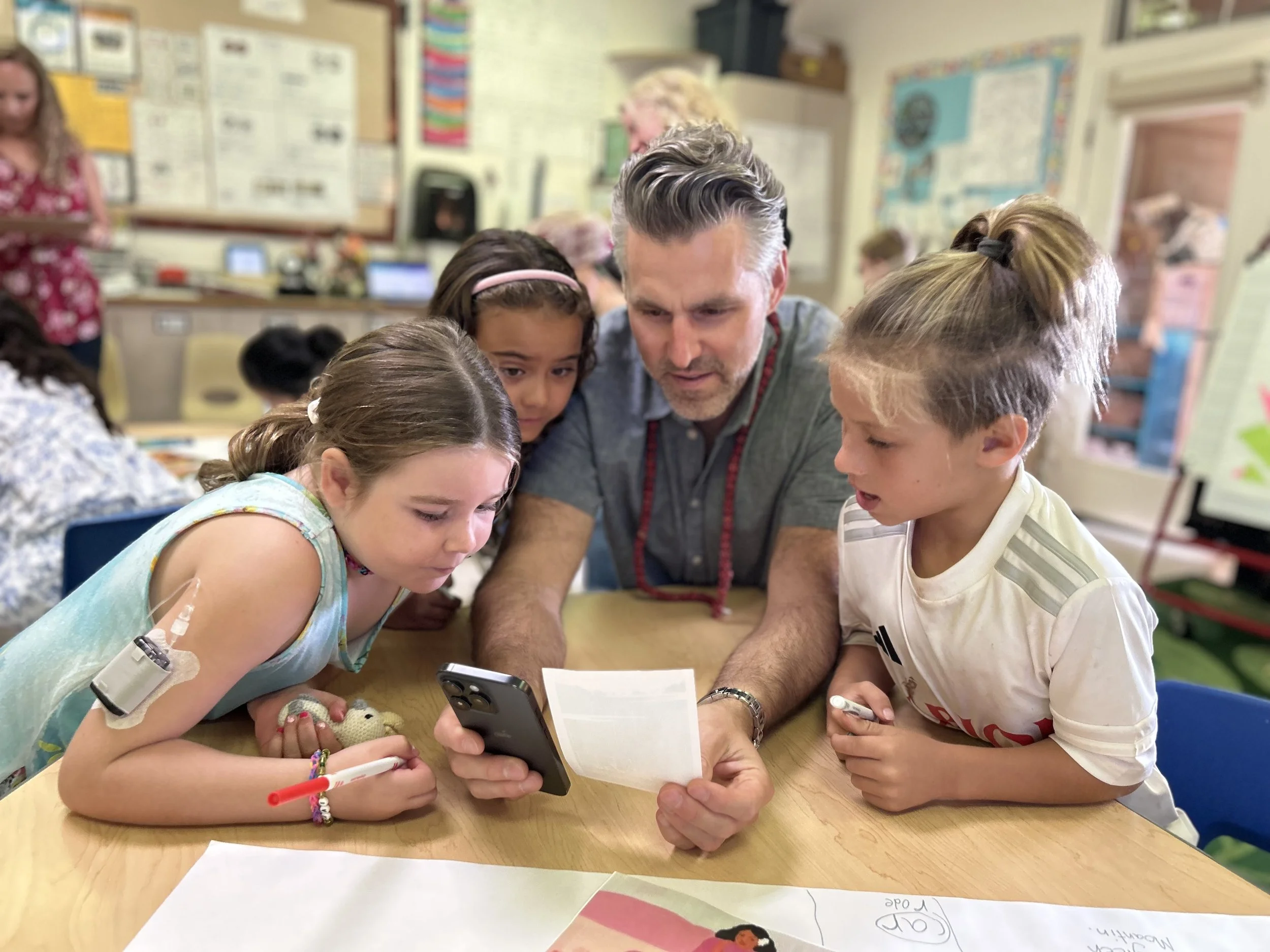
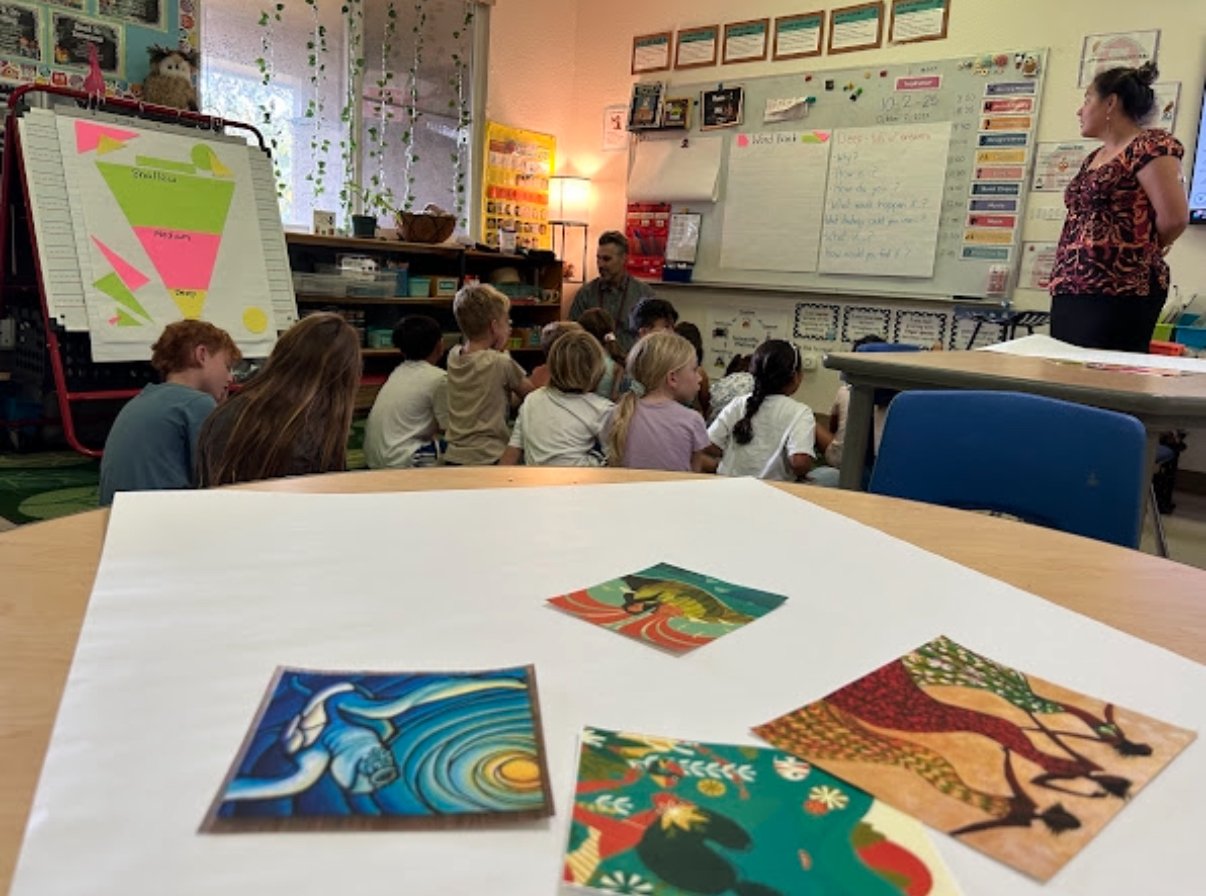
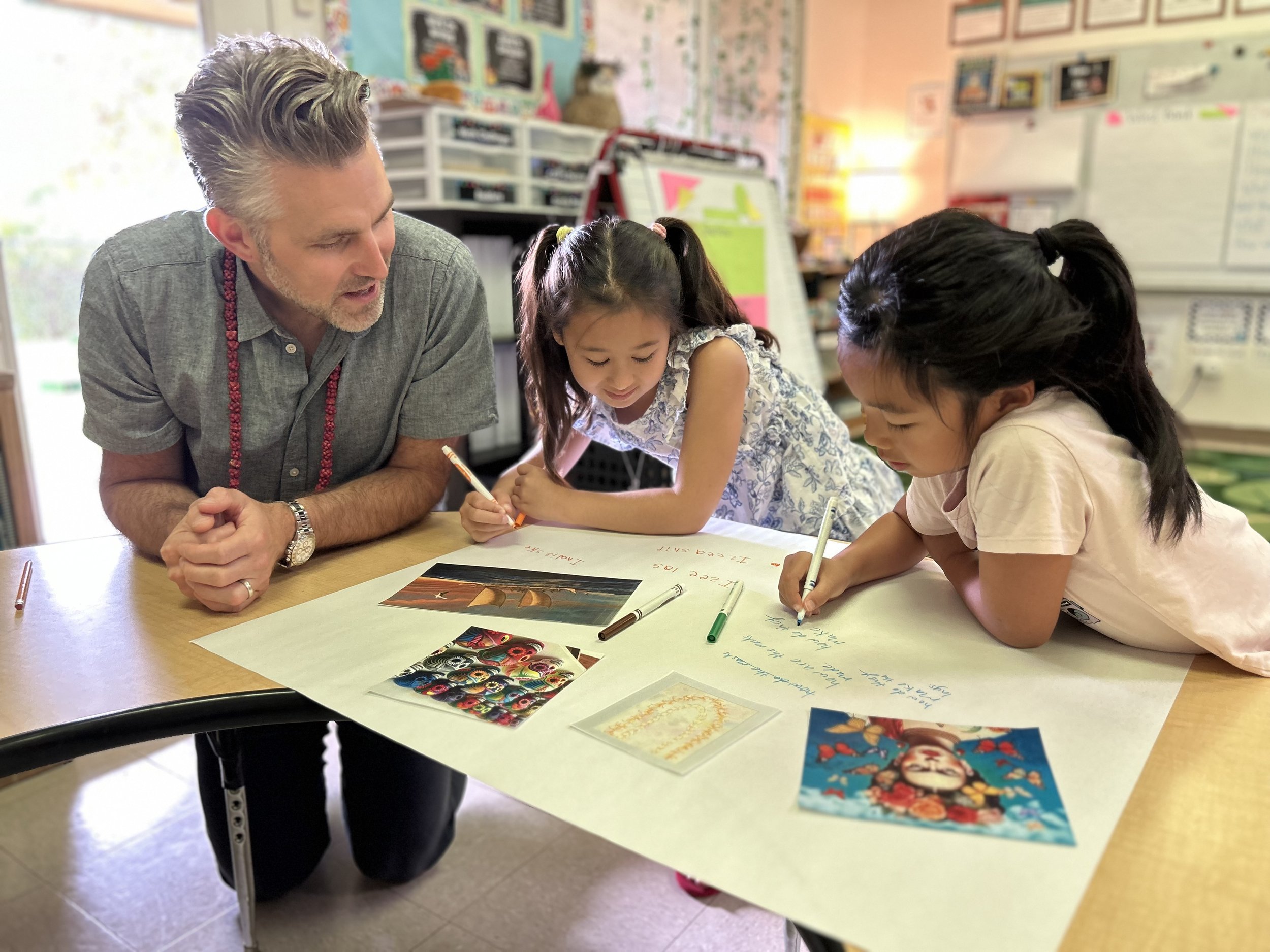
We planned for students to visit at least four stations, each providing an opportunity to discuss and document their thinking. By design, the stations would build upon one another, creating a progression of noticings, connections, and understanding. As students would come to a new station, they would be greeted by new images as well as the previous group’s ideas on the anchor chart. As the provocation station rotation unfolds, the ideas on the anchor charts get more and more robust, detailed, and conceptual. All of the images were connected to the central idea, concept, and heart of the inquiry.
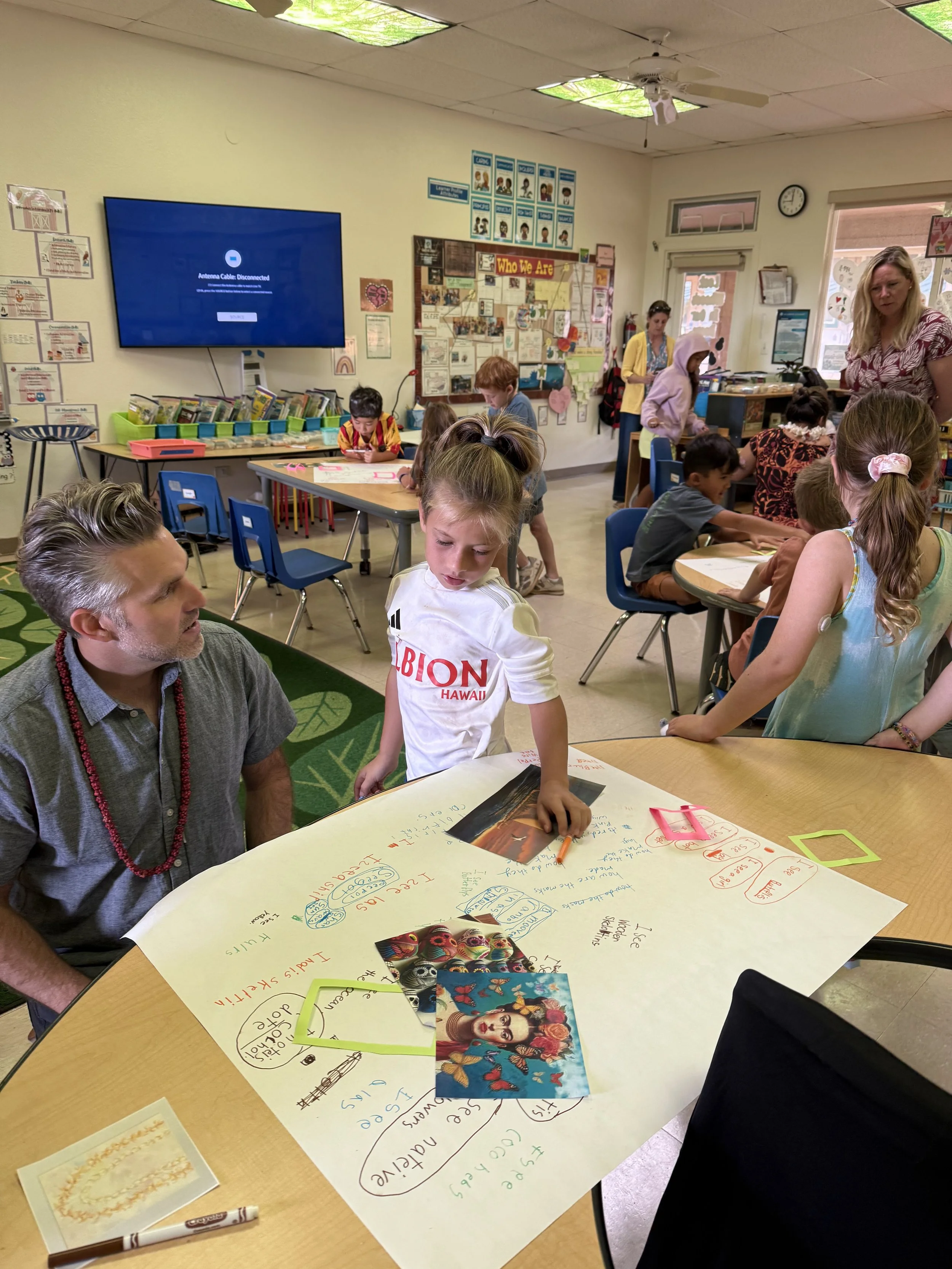
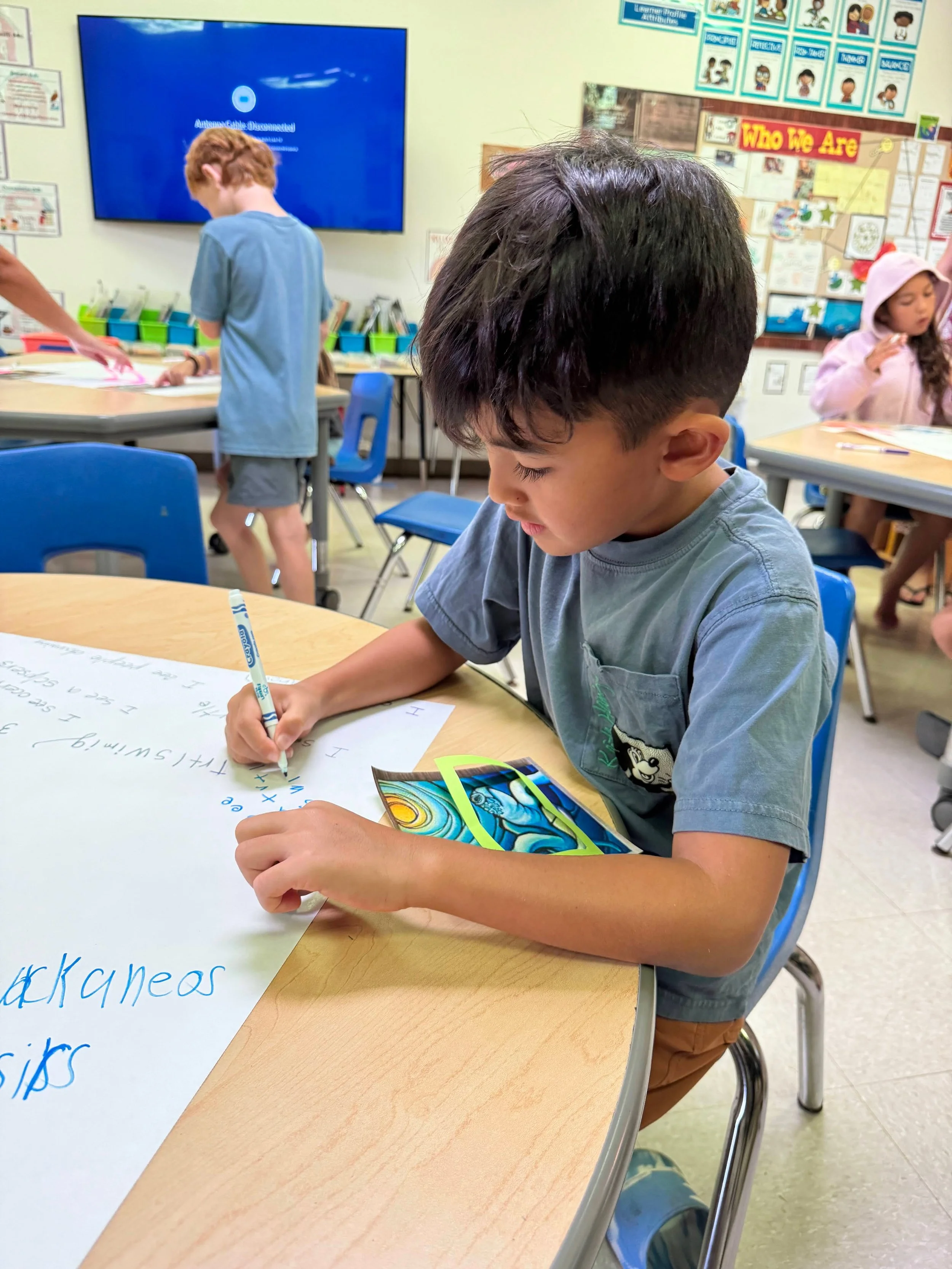
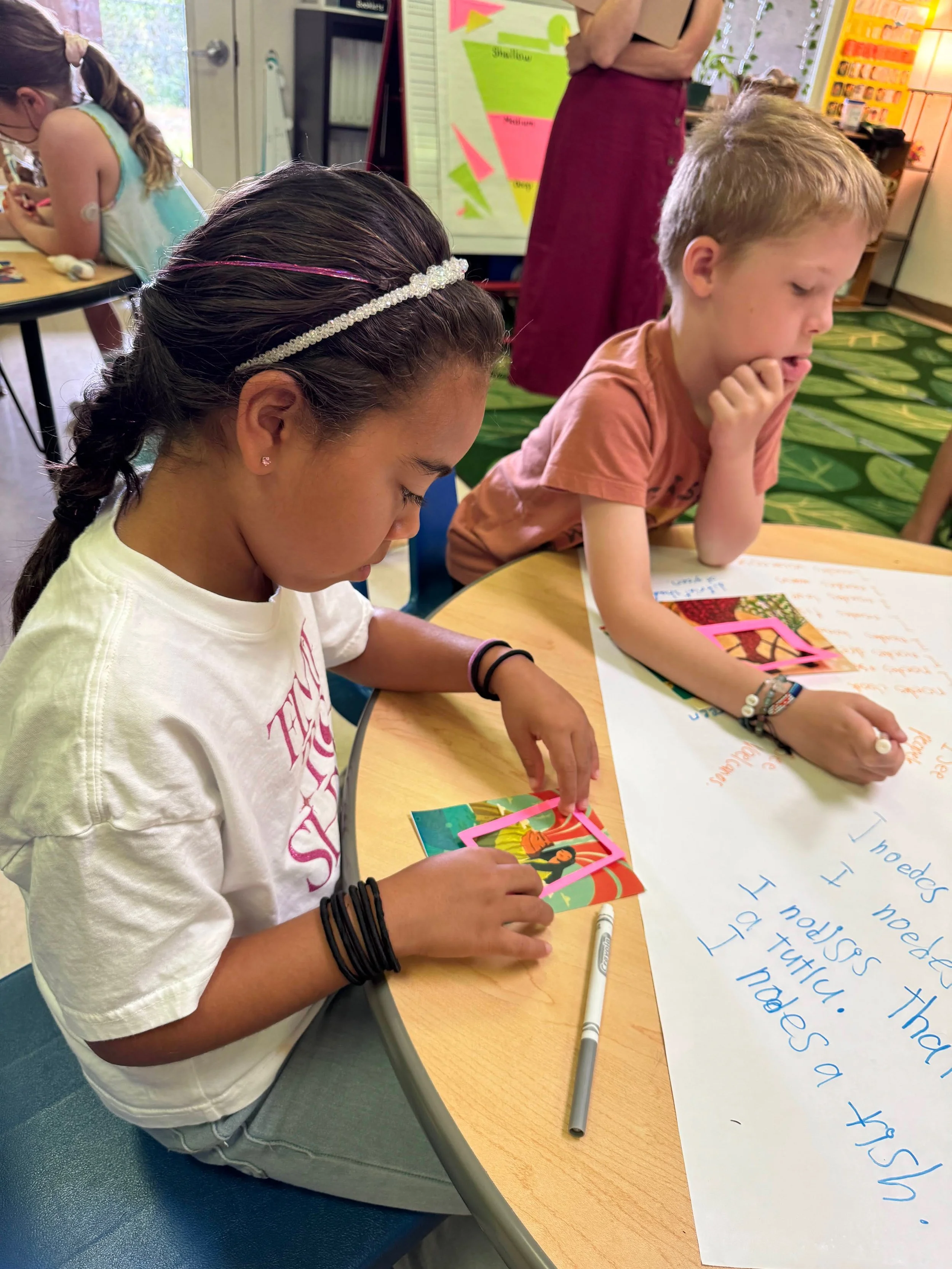
The noticing frames were introduced during the second station. Immediately the teachers in the room noticed increased engagement. Students were already excited about the provocations but the noticing frames took the engagement to another level. The oohs and ahhs were evidence of the student experience. Even the most shy and quiet students were more engaged using the noticing frames. Further, teachers noticed that the students were finding more detail in the images. They were noticing small things that at first glance were missed, more specific language and important vocabulary that would prove useful in shaping our inquiry.
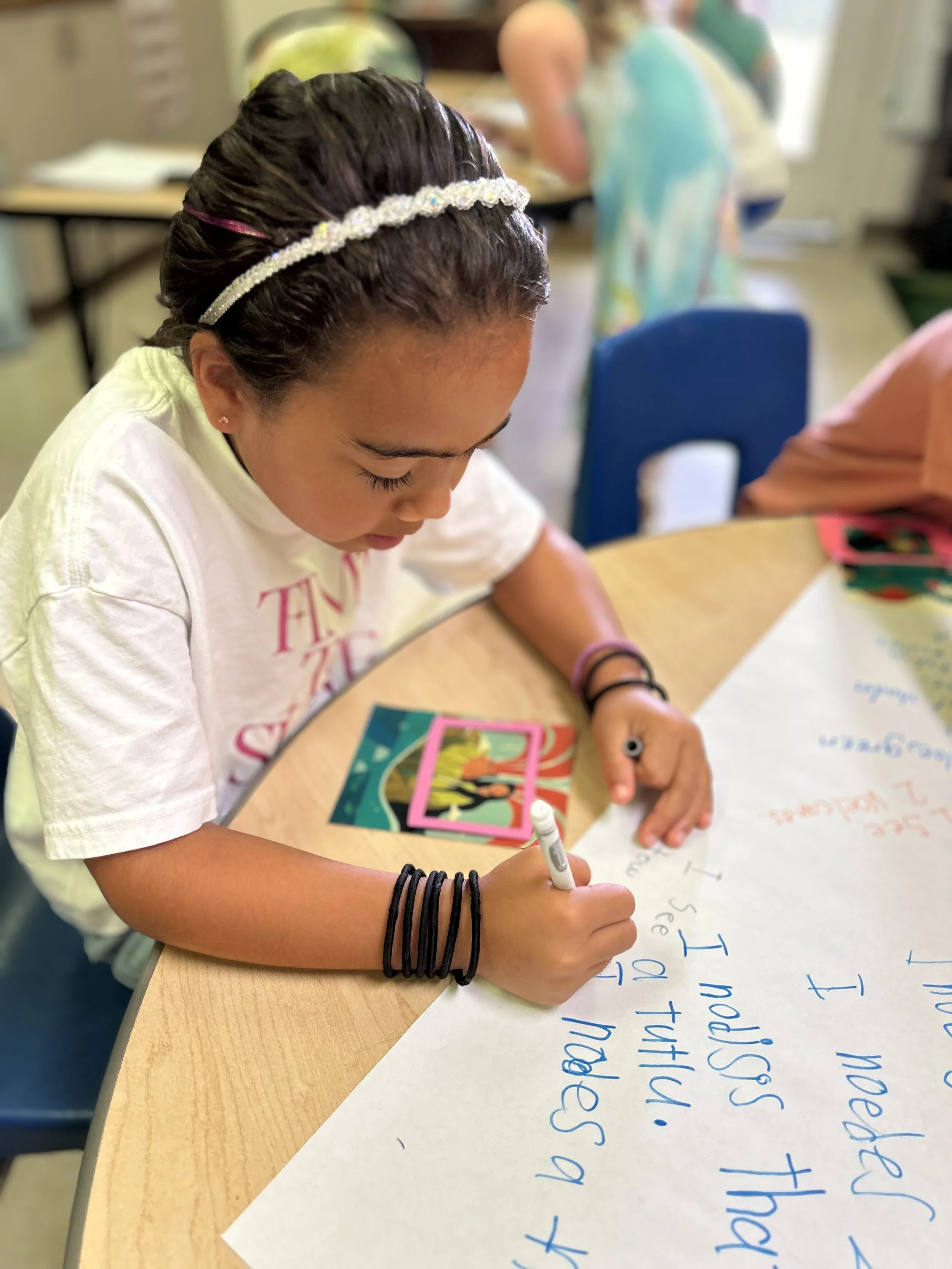
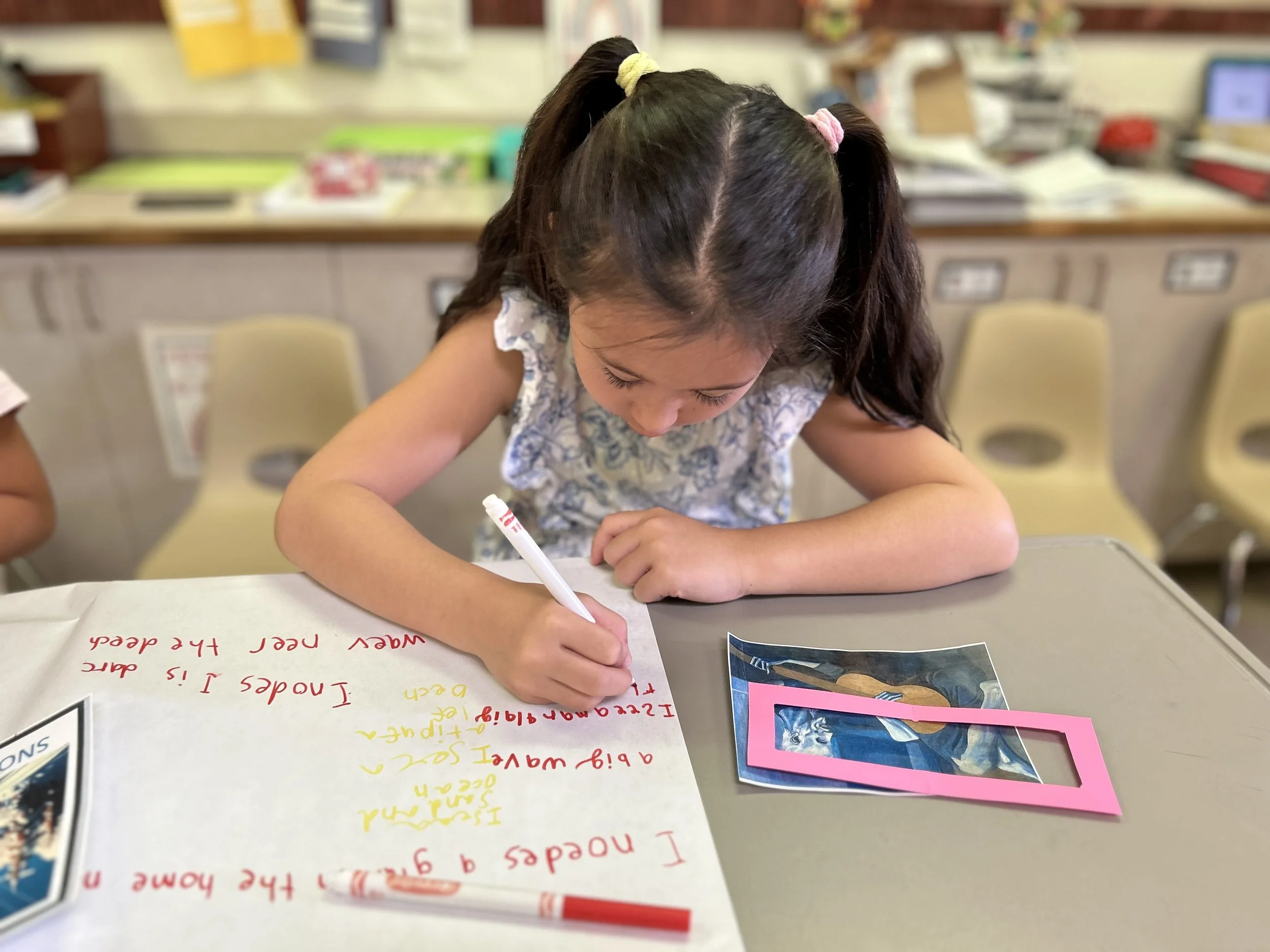
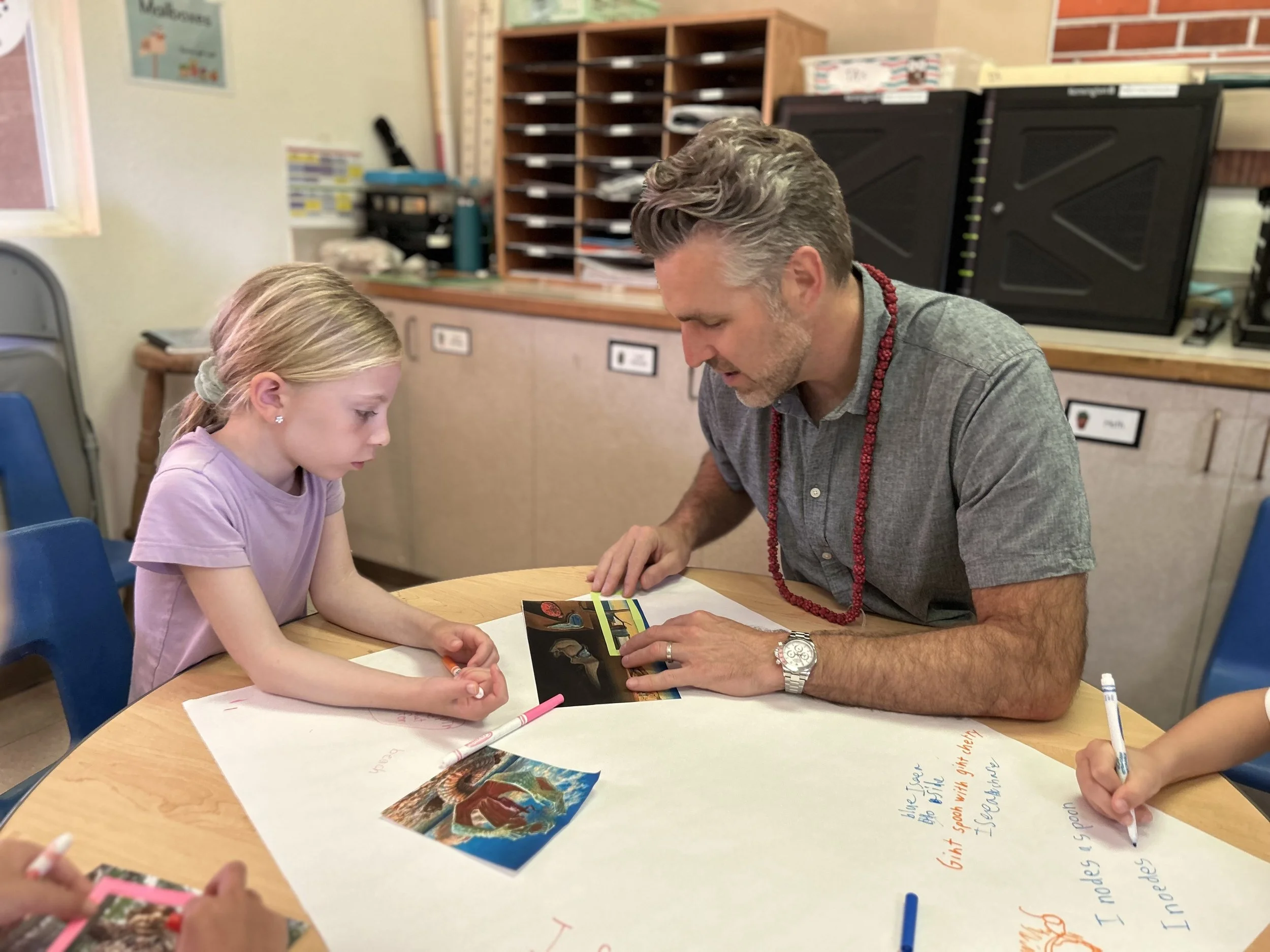
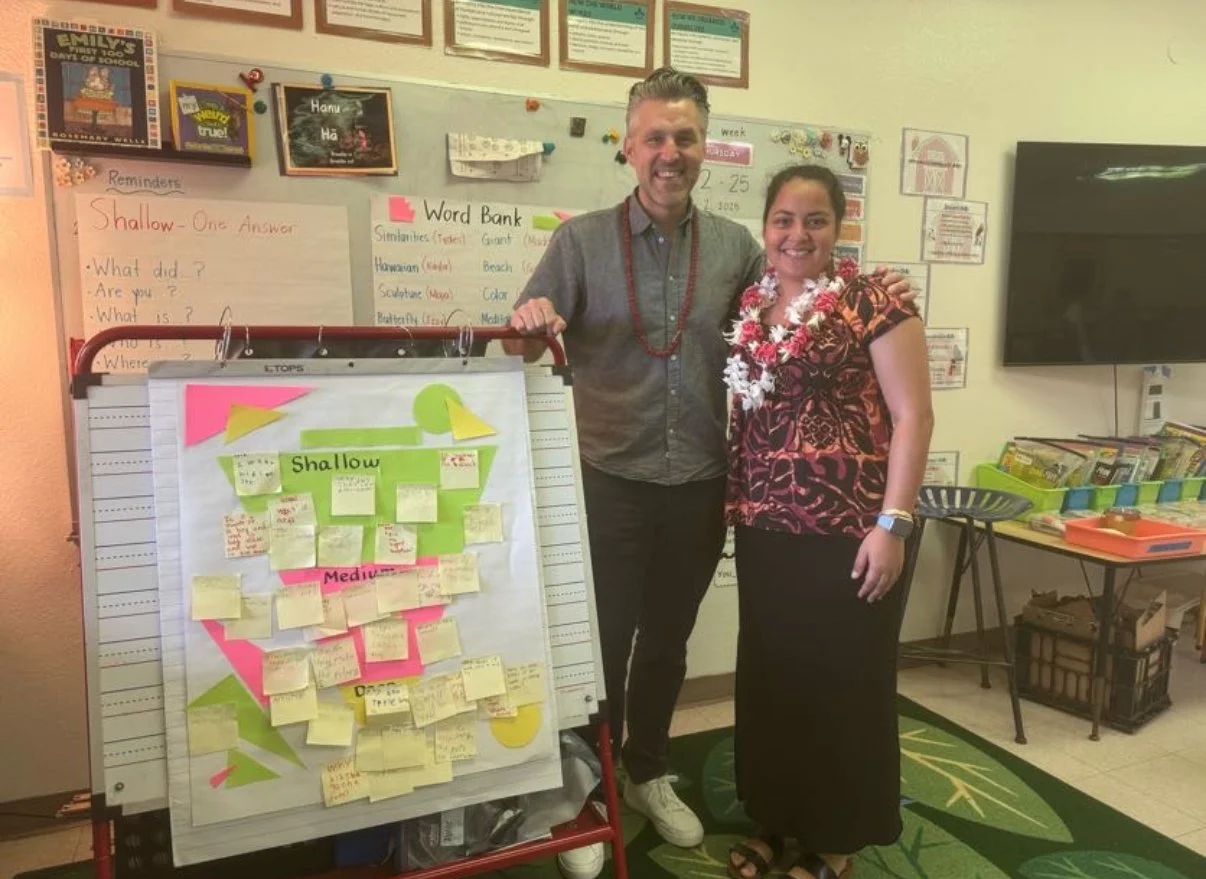
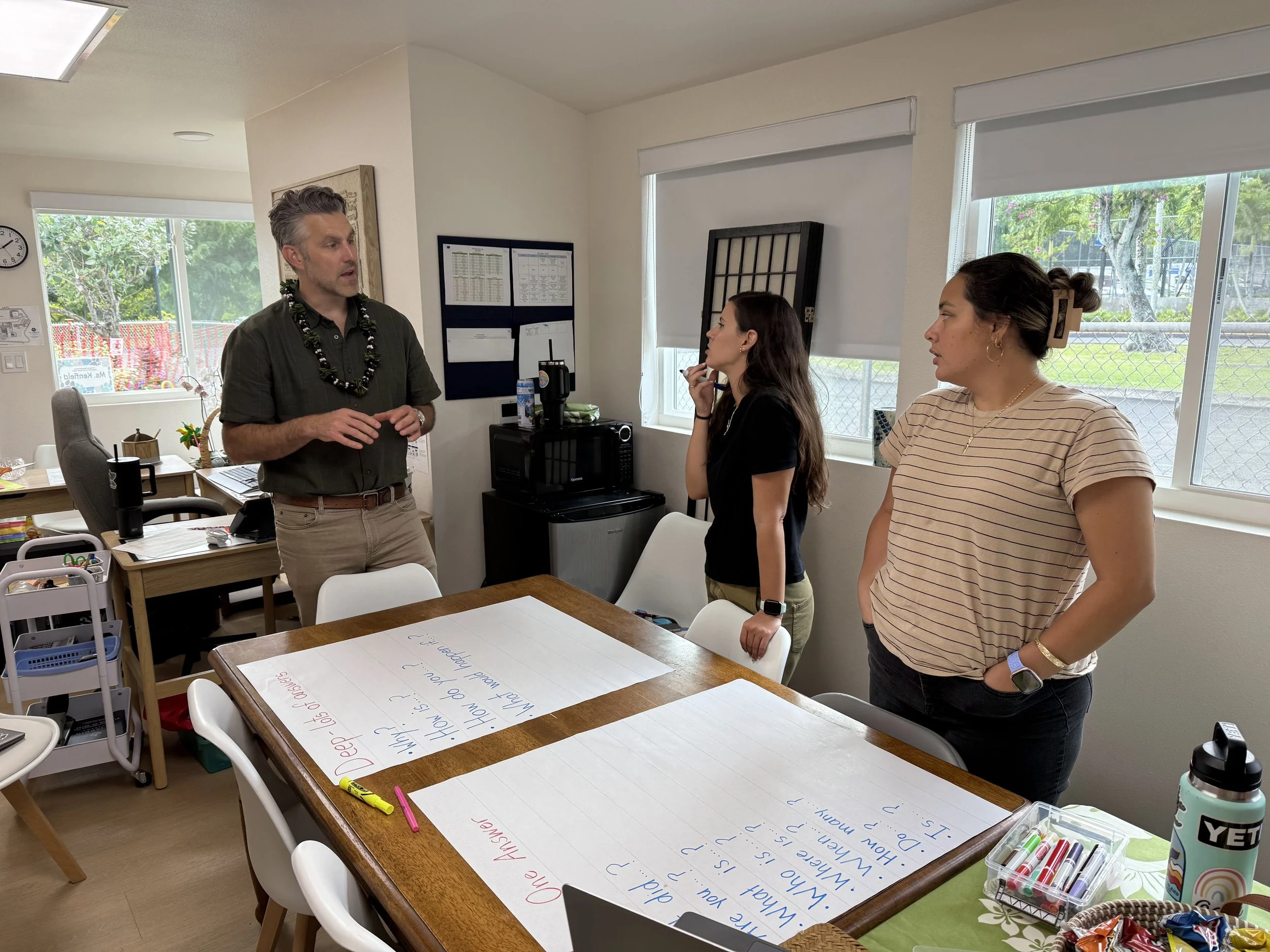
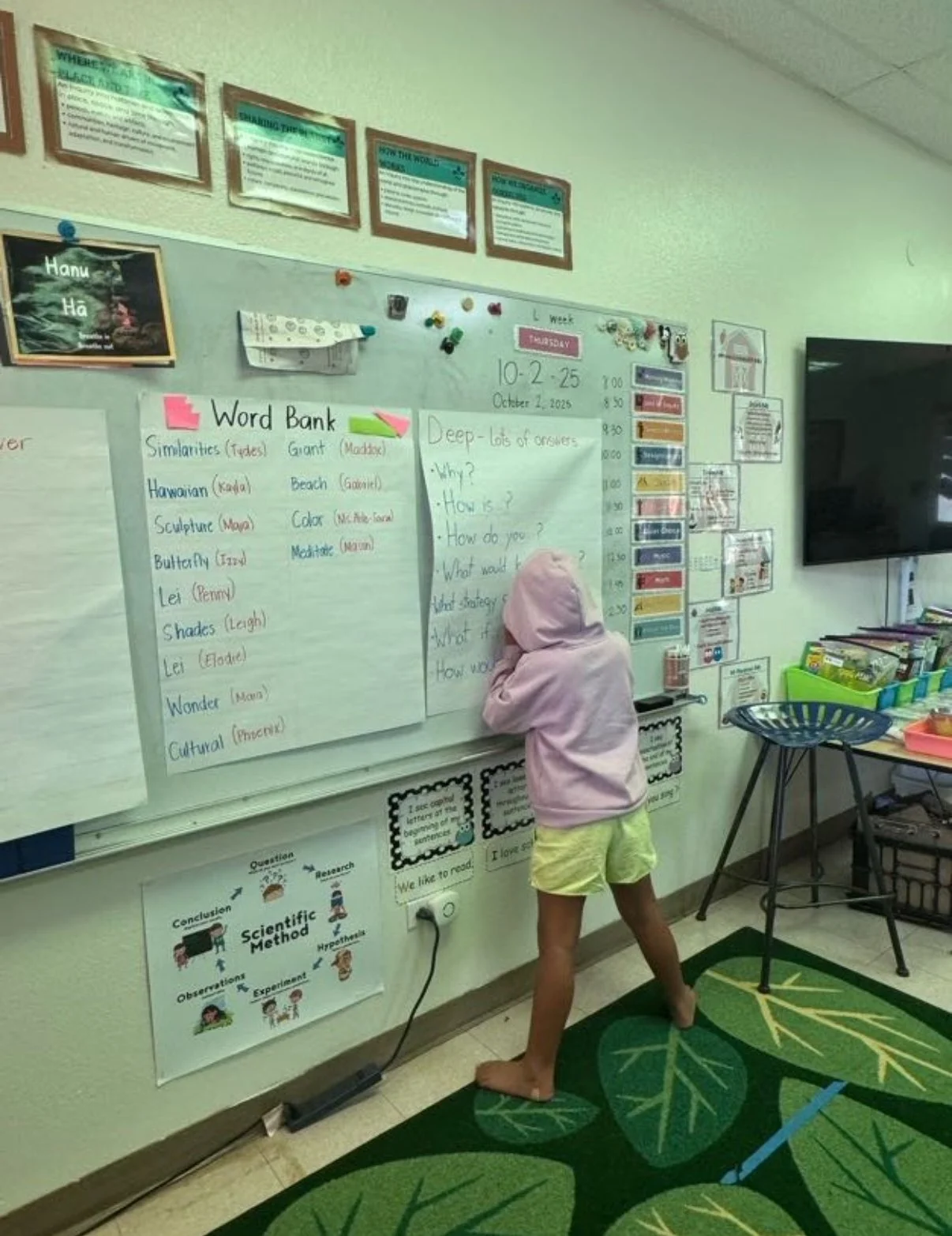
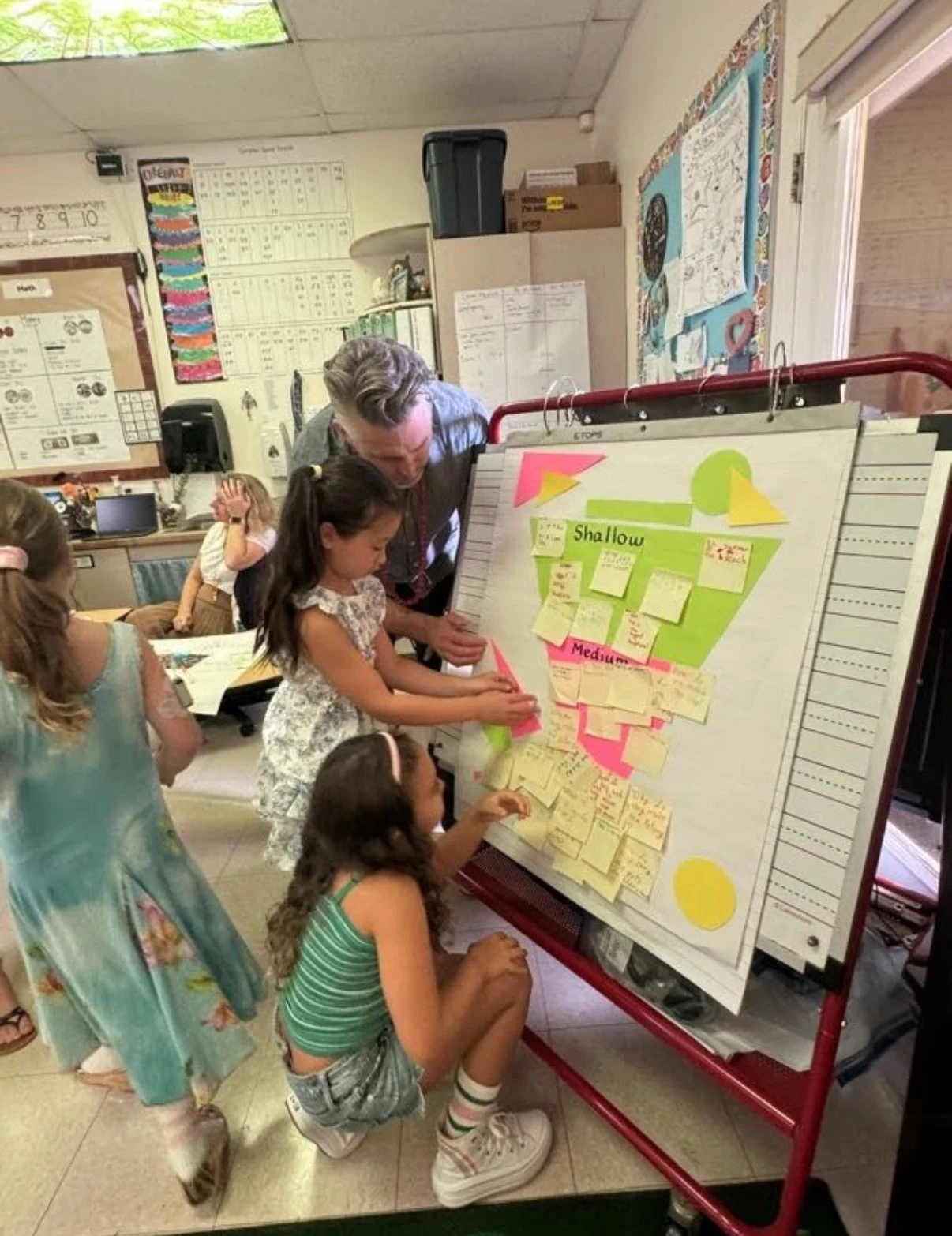
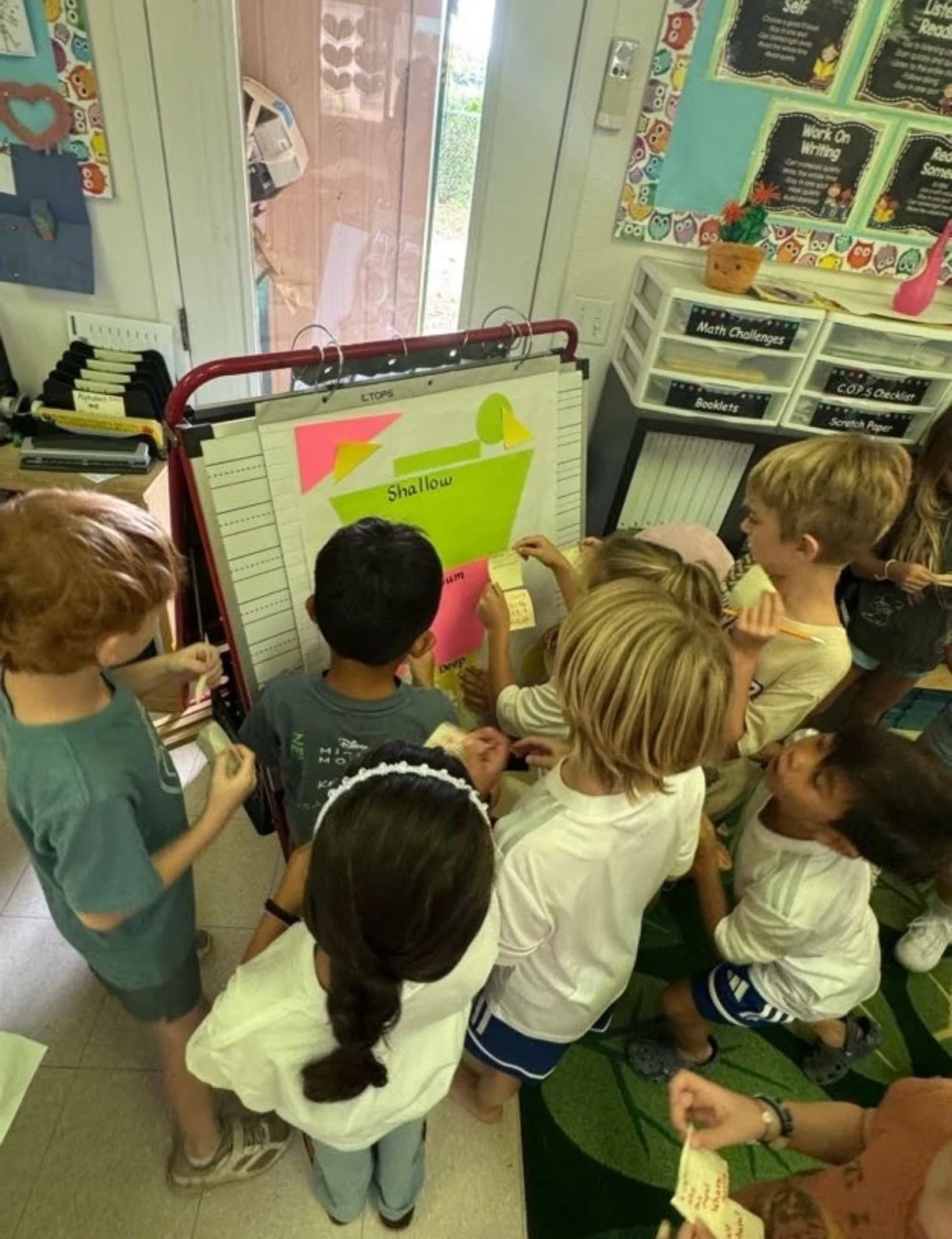
During the last station we prompted the students to pause their documentation and take some time to circle the most powerful language on their anchor charts. Together we co-designed a Word Bank of the most powerful language in the room that students would use to help craft their questions for the Question Triangle portion of the lesson. Undeniably, our Word Bank was a much more impactful universal support because of the noticing frames. This shaped the quality and diversity of the questions students generated allowing us to leverage them for next steps in the inquiry.
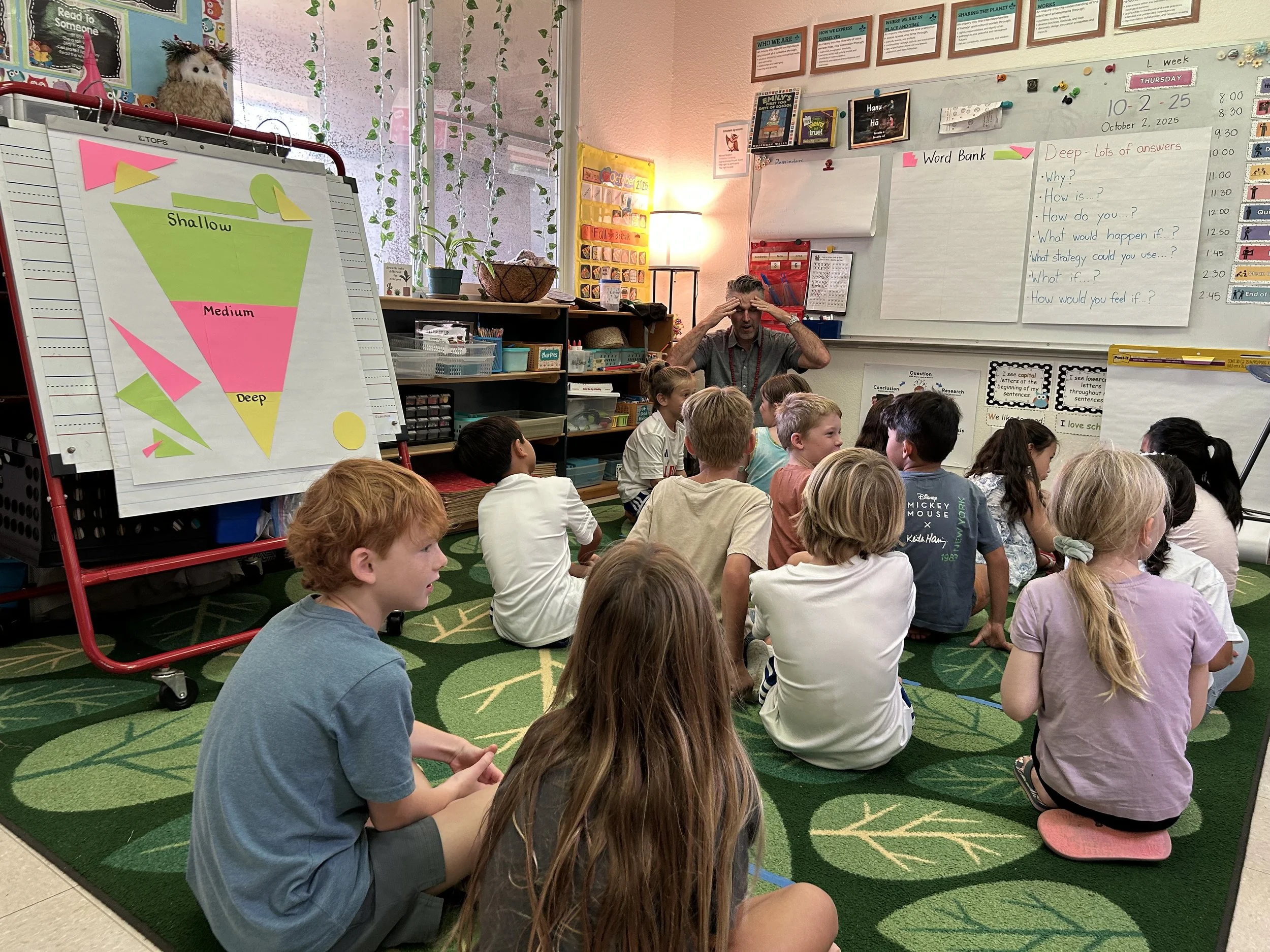
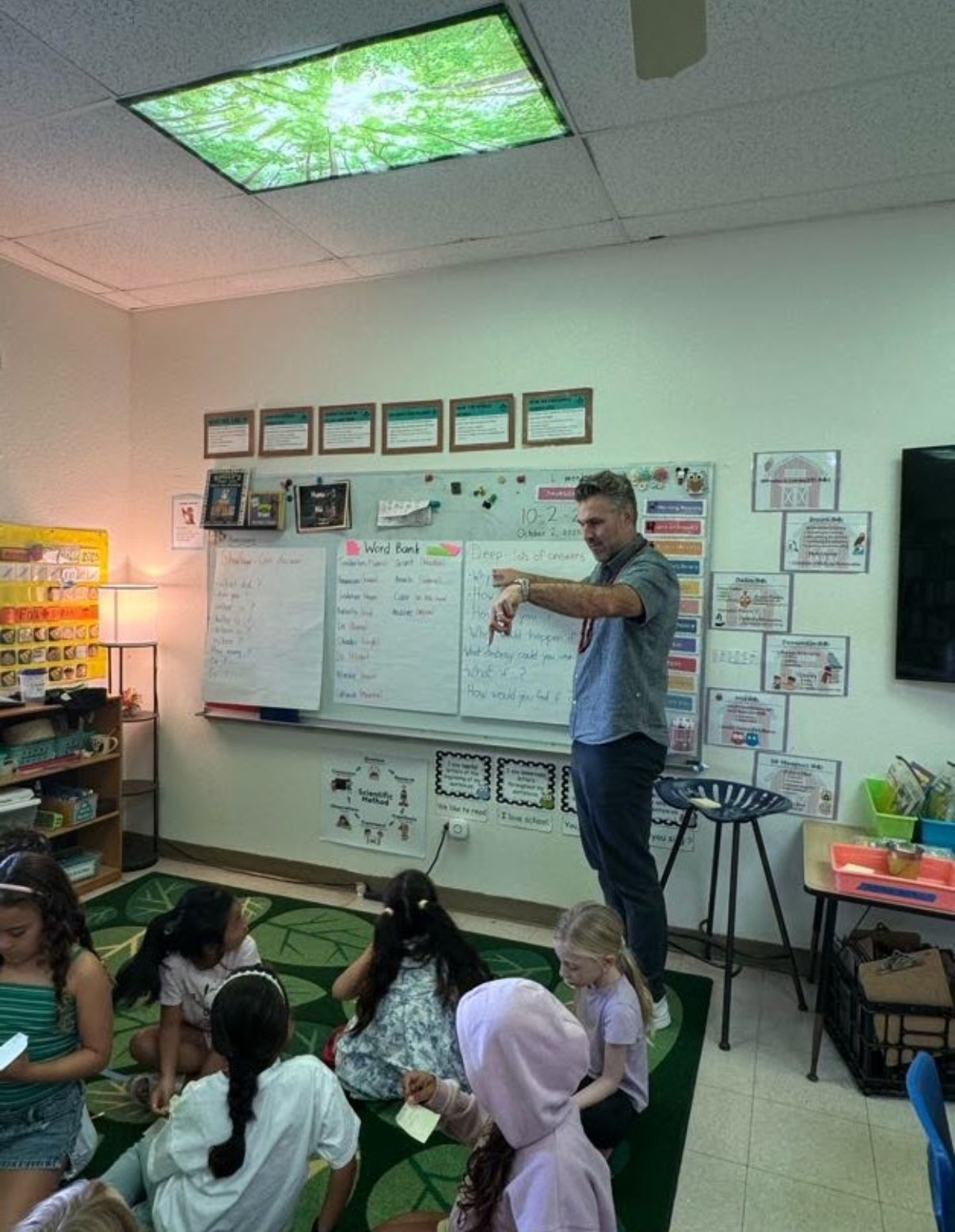
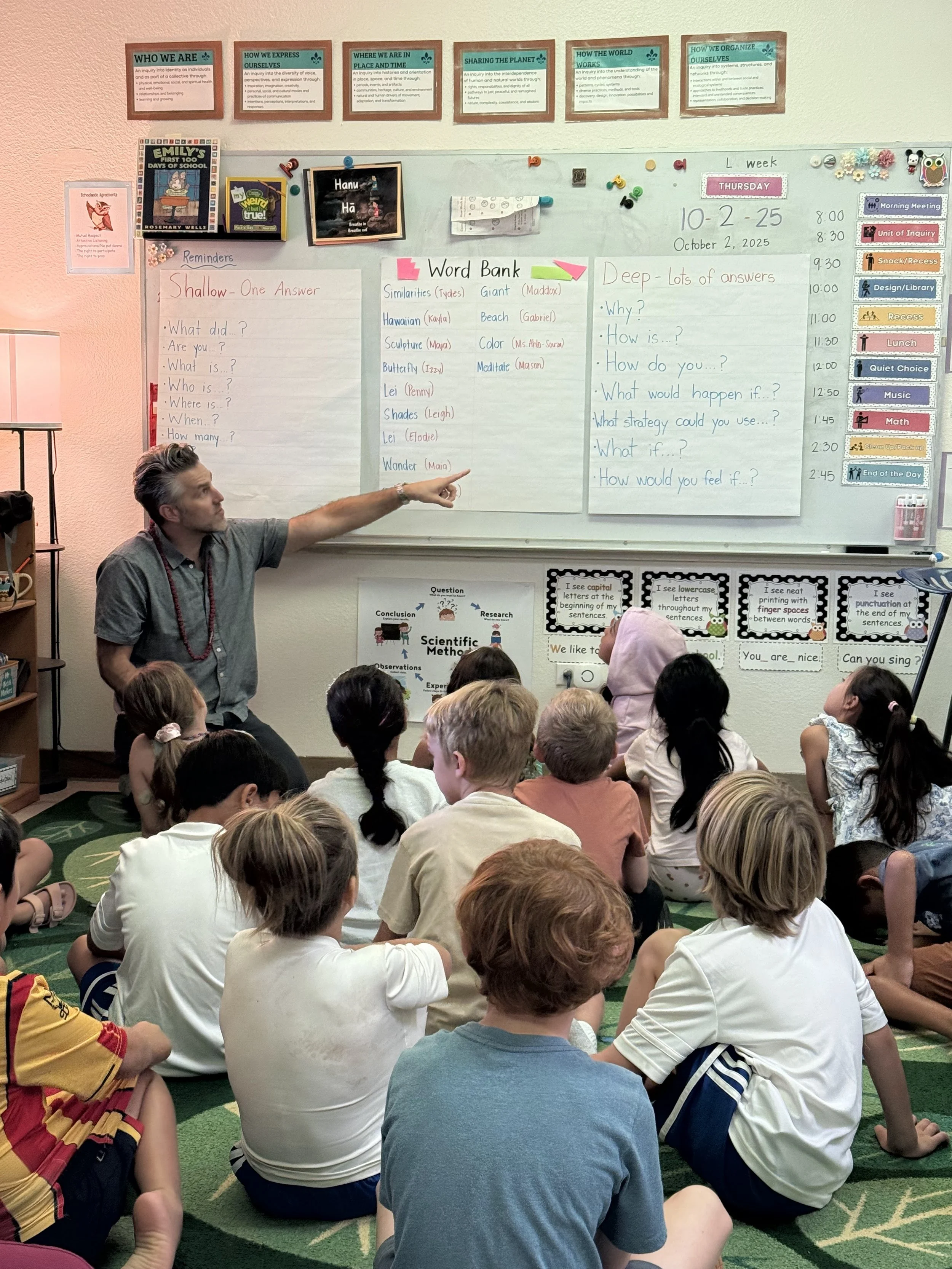
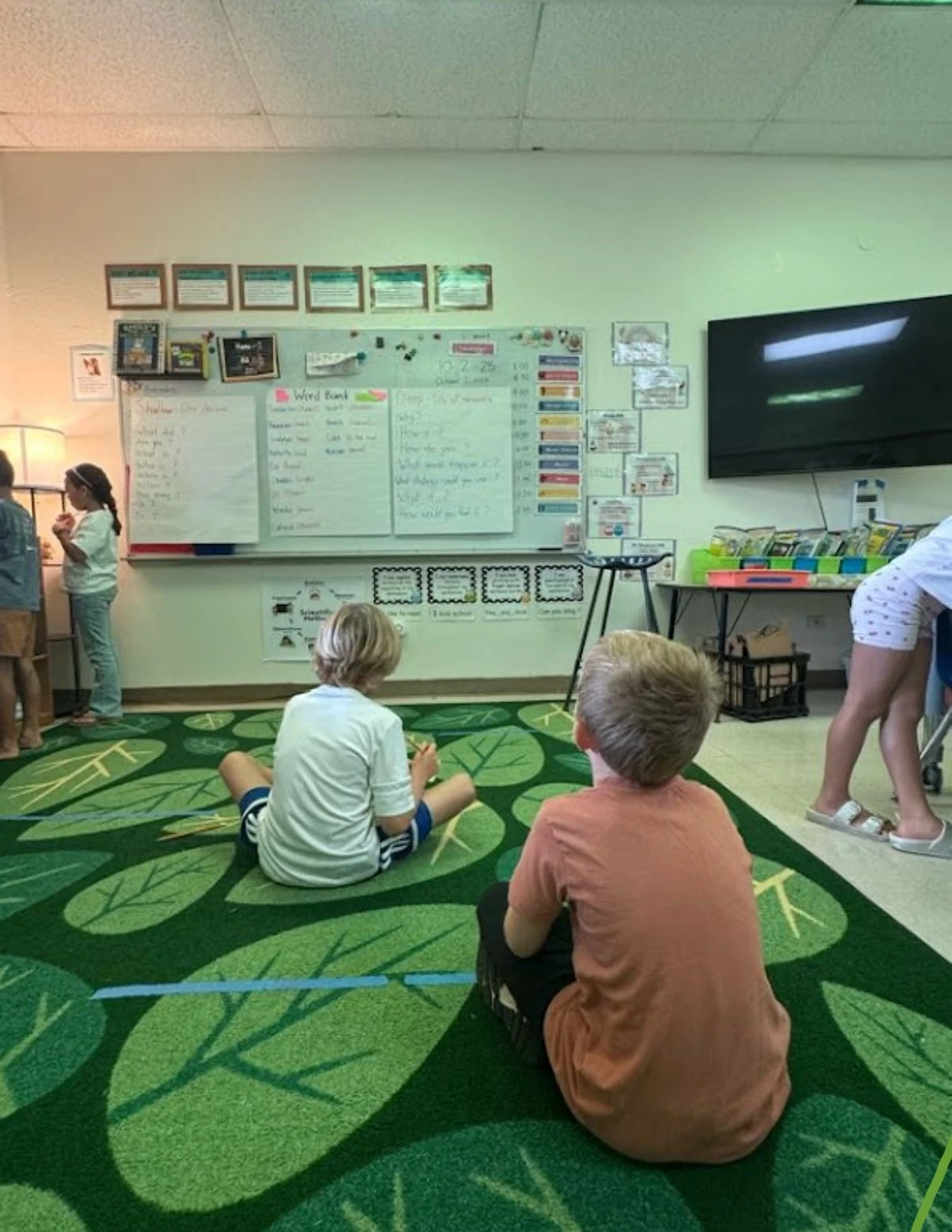
My deep thanks to the teachers who co-designed this lesson and helped bring the noticing frames to life for students!