
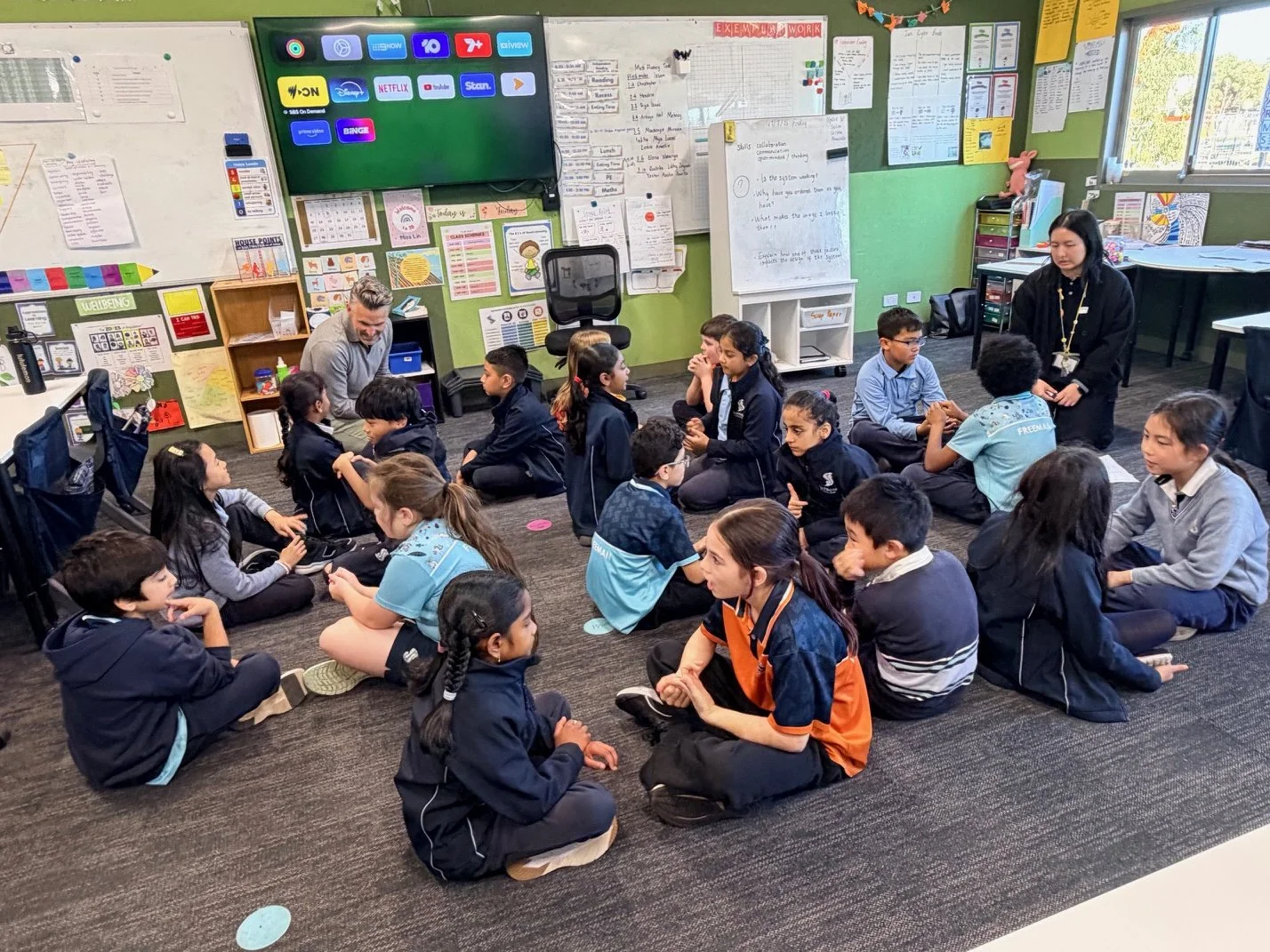
Over the last three weeks I have co-taught inquiry lessons in PK, K, Years 1, 3, 4, 5, 7, French 9 and Math 10. Across each lesson there have been several constant learning design features that allowed the agency in the classroom to blossom. No matter the subject, the grade level, nor the class composition, in every lesson we saw every student engaged in deep thinking where collaboration and curiosity thrived. That is not hyperbole. Every single student demonstrated competence and engagement in these lessons.
So what did we plan for?
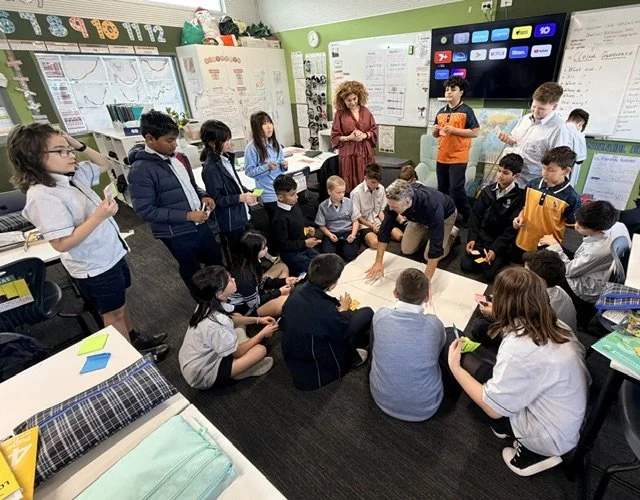
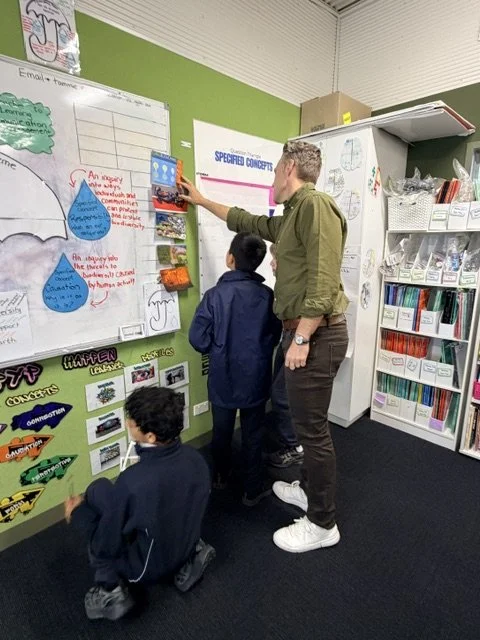
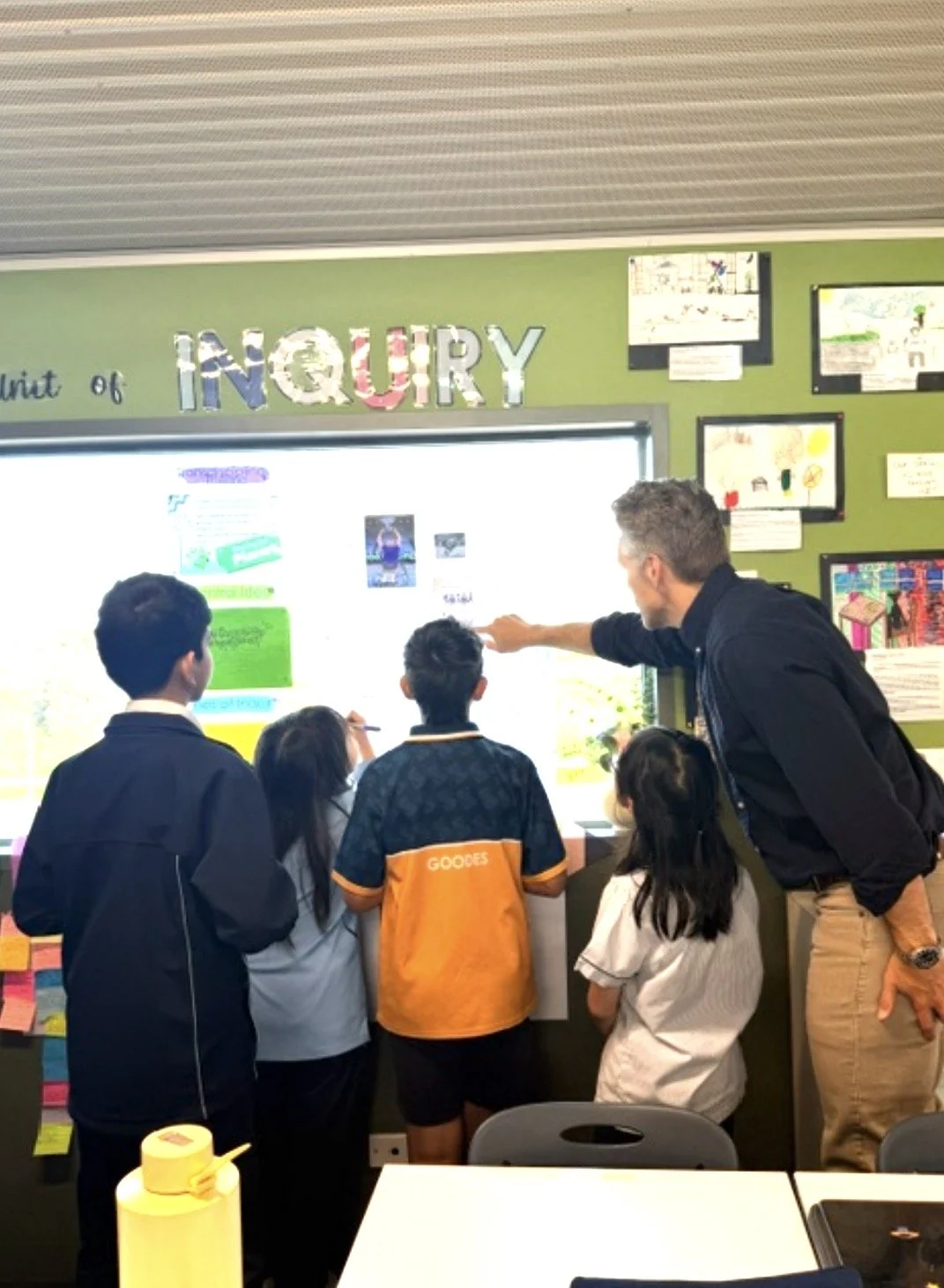
First, every lesson had physical movement baked into the learning. These weren’t “brain breaks” or rewards for staying on task. Physical movement was a feature in how the lesson flowed. We planned a bunch of different structures across the lessons including a station rotation model, leveraging vertical learning spaces, providing richly designed play centres, and even using the school campus as a provocation. The physical movement gave students agency over their bodies and helped them self-regulate whilst learning. Students who are typically easily distracted or have been labelled “challenging” were hooked, engaged, and contributing throughout the lessons. When physical movement is a throughline in our lesson design and not an afterthought, students suddenly demonstrate competence and contribution.
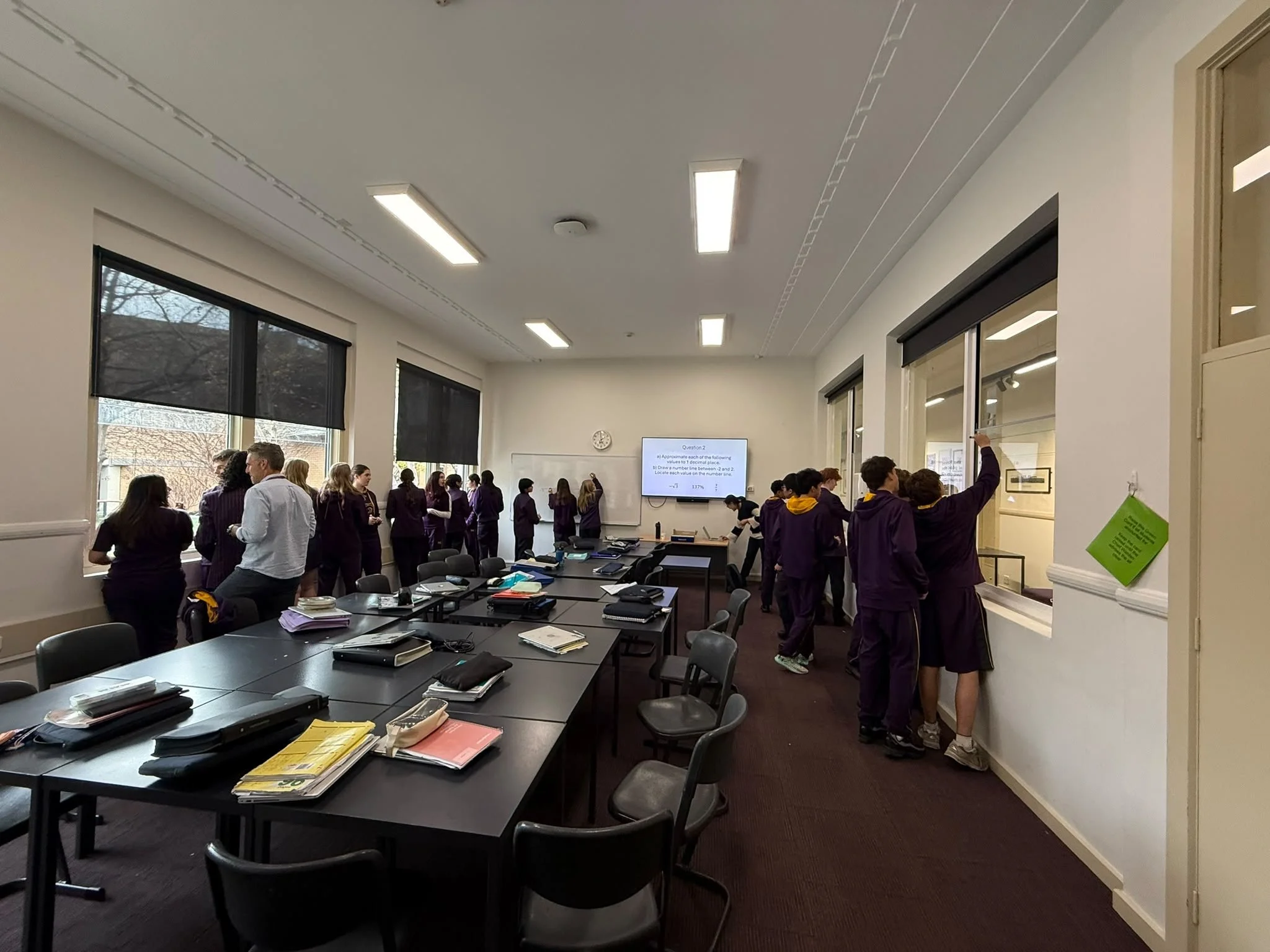
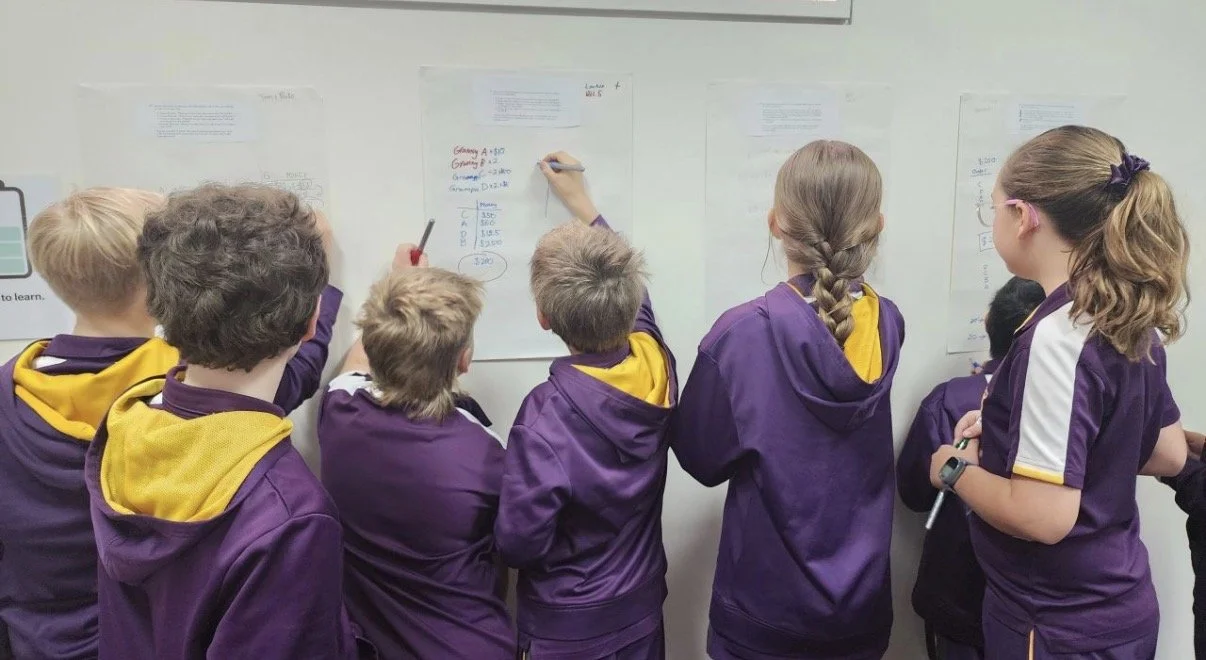
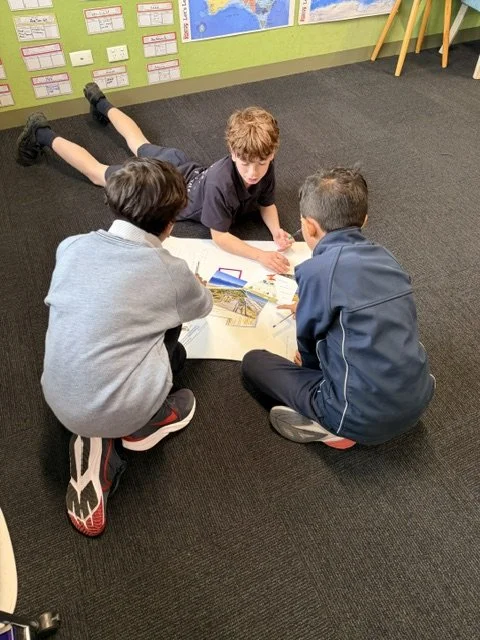
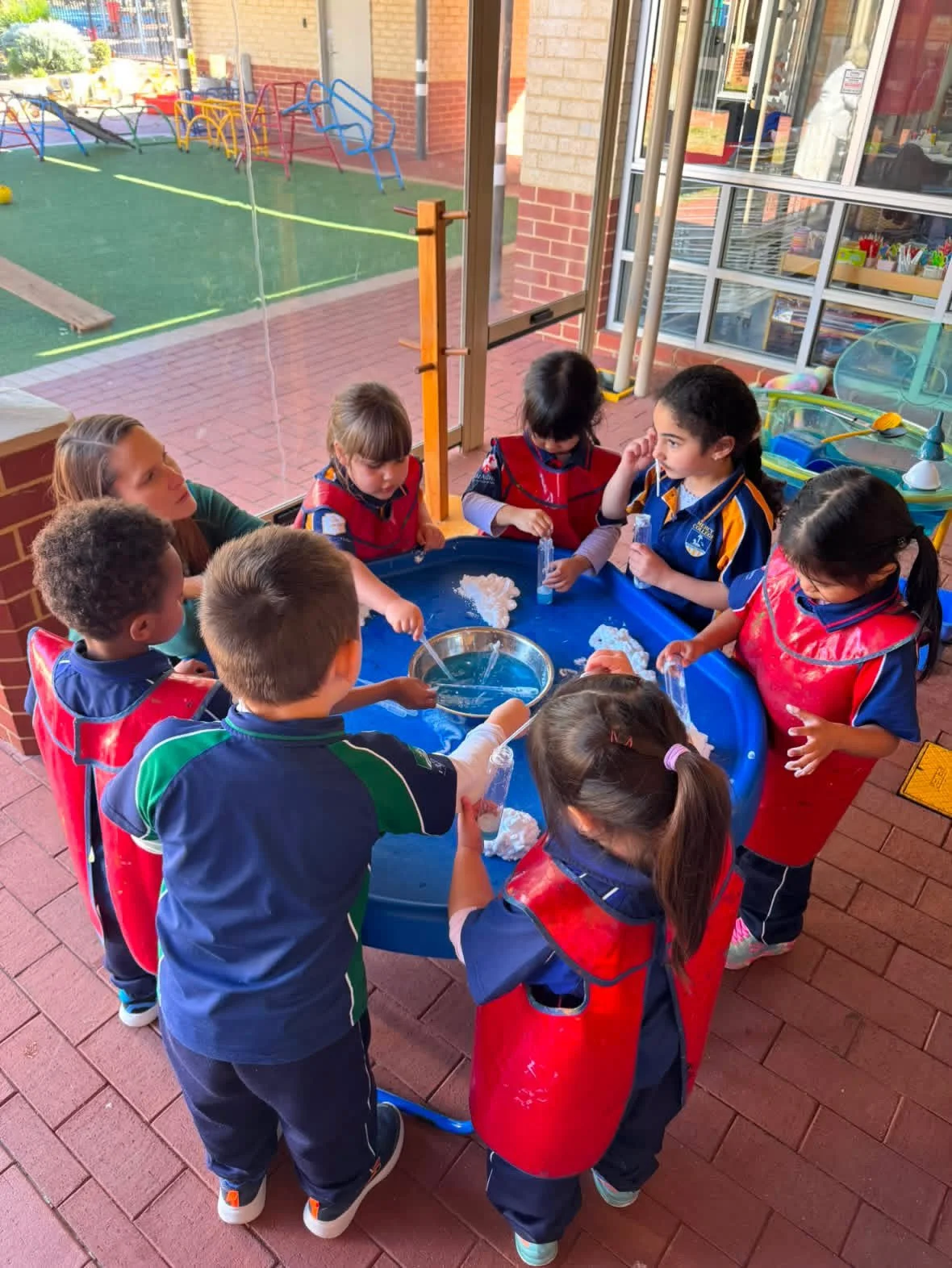
Second, there was independence within structure. In every lesson we wanted to provide safe conditions for students to be more independent learners. We wanted them to grapple with resources, work together to solve problems, discuss their learning and share their ideas with one another, and not have the teacher hovering close by or directing every decision students make. These doses of independence were provided within clear structures such as time (short bursts of independence followed by clear and concise teacher feedback), universal supports (word banks, question stems, and Get UnStuck Walls), Question Routines (the Question Pencil, the Question Triangle, and the Question Arrow), and Thinking Routines (a Give One, Get One, Tug of War, and See / Think / Wonder). The independence in the classrooms was not a free-for-all, the students were not “free-range”, and the teachers did not kick students into the deep end of the inquiry pool. Students were successful with their independence because of the structure and parameters provided. Structure and inquiry are not dichotomous.
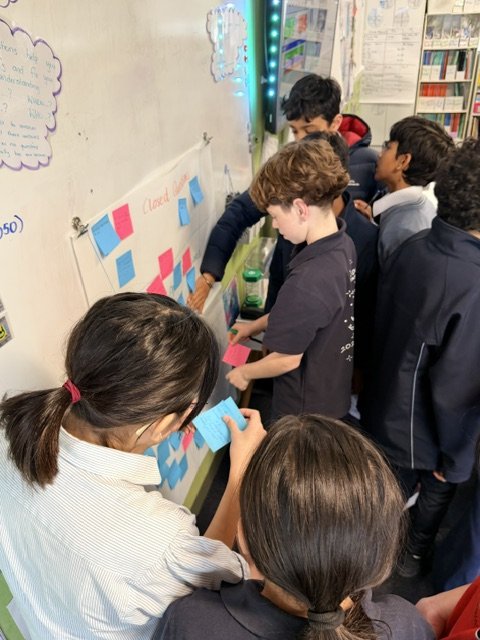
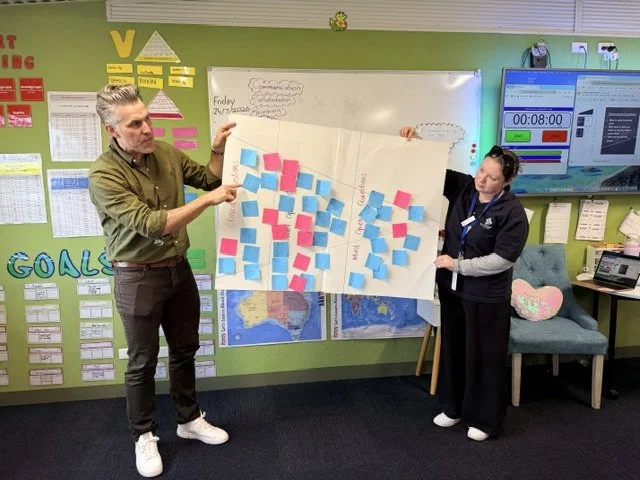
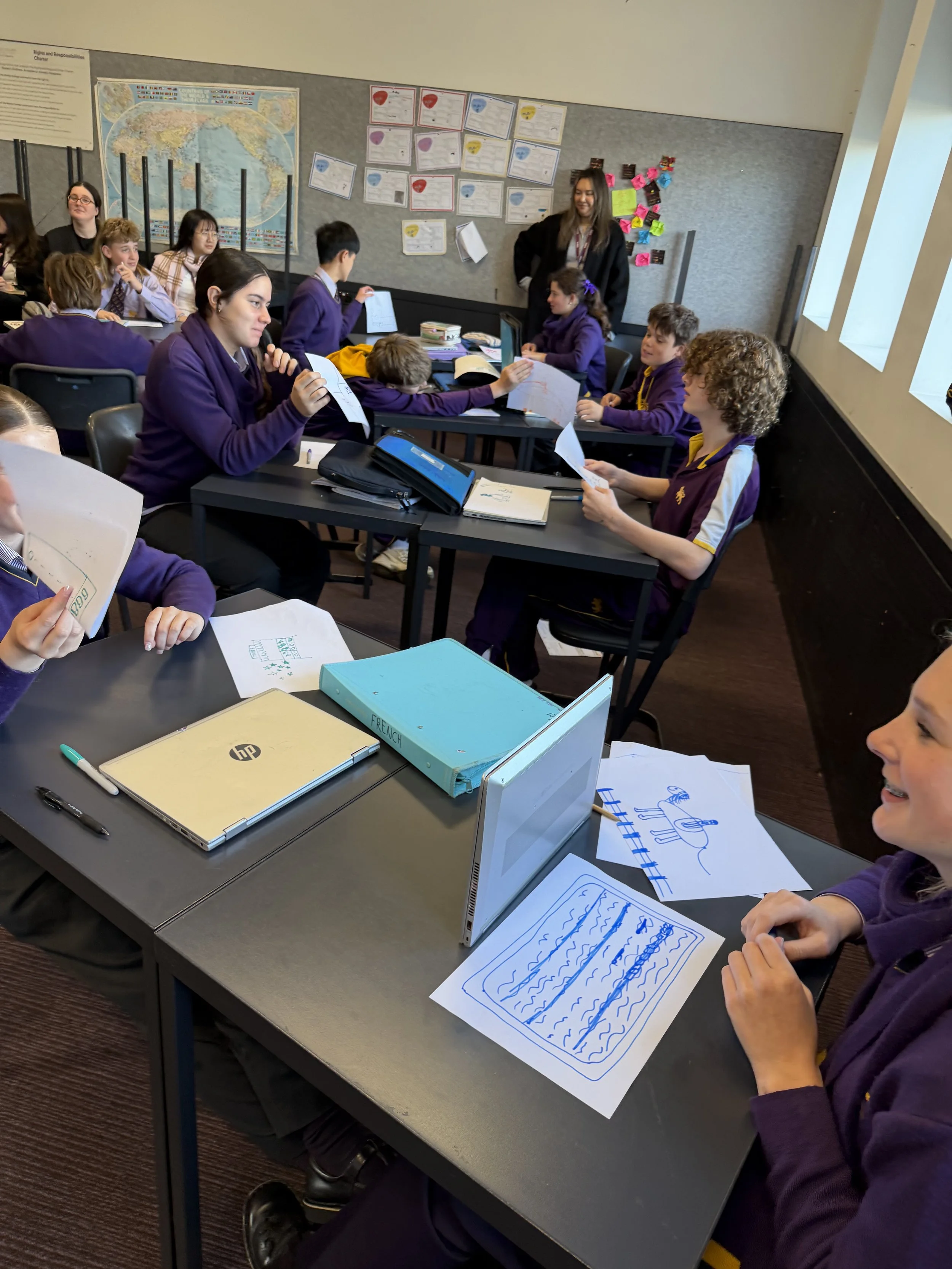
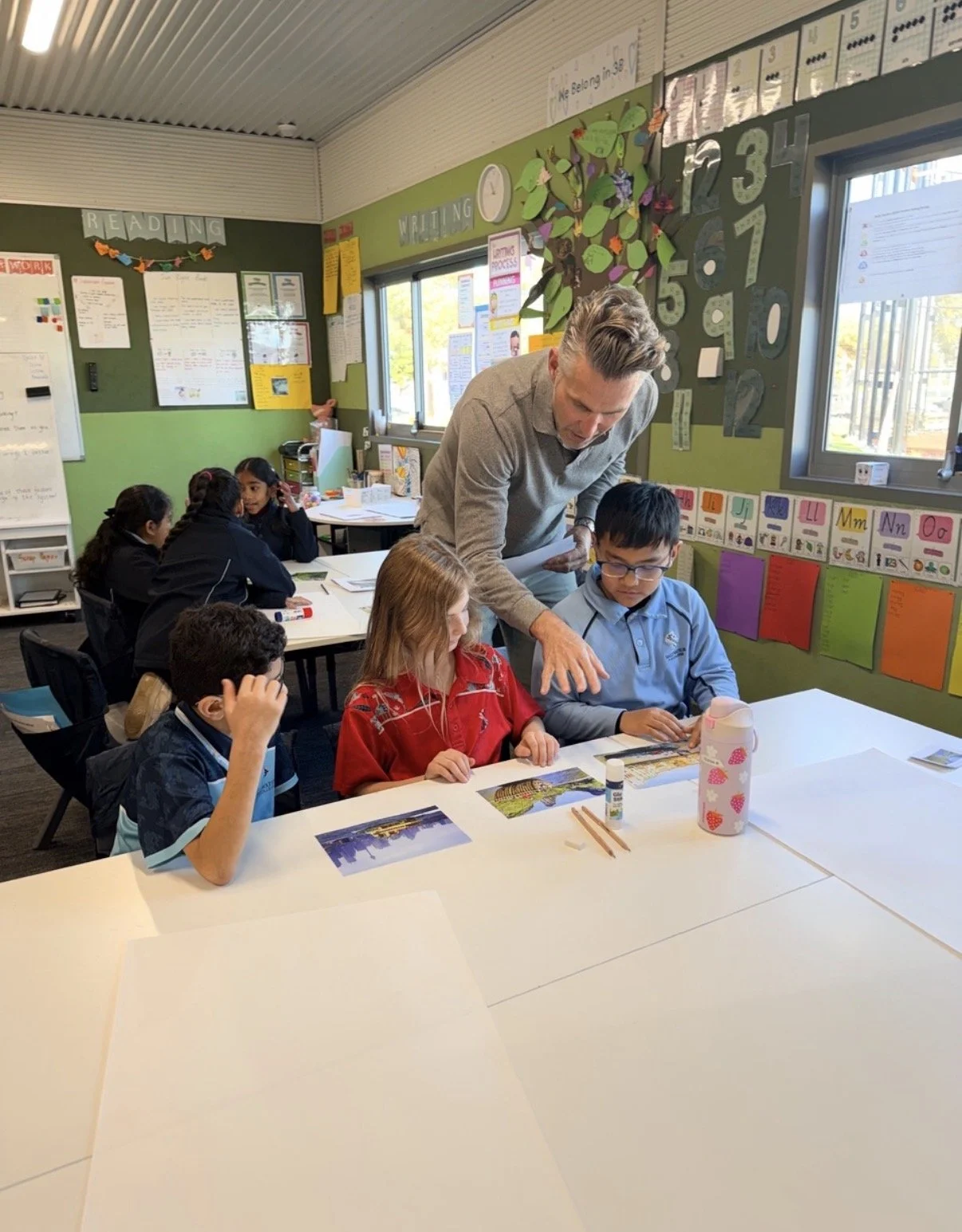
Third, the learning was planned for personal relevance, high interest, and deep meaning. The materials in each lesson were thoughtfully curated by teachers with the goal of being compelling for students. Our planning focused on the heart of the unit, the enduring understanding, and what is worth knowing. Whatever was placed in front of students was intentional and thought through. There was not a single worksheet, textbook, or templated task. Teachers took the time to plan for relevance and the rewards observed from this planning were transformational. When students engage with rich materials that have purpose, their learning becomes rich and purposeful.
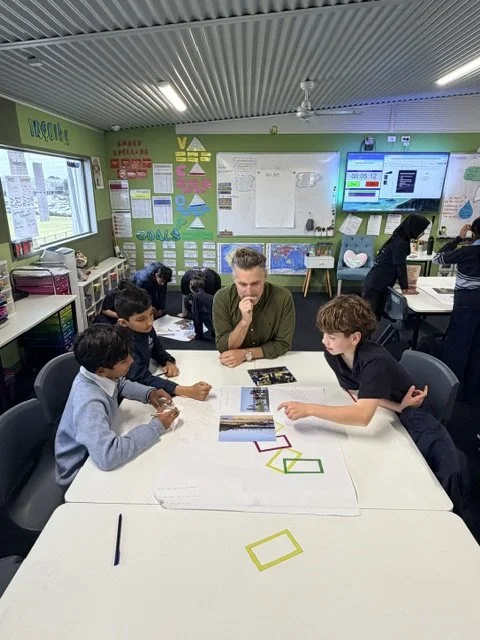
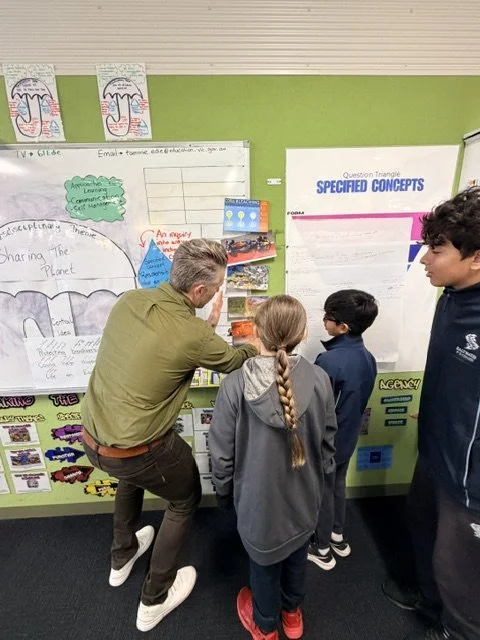
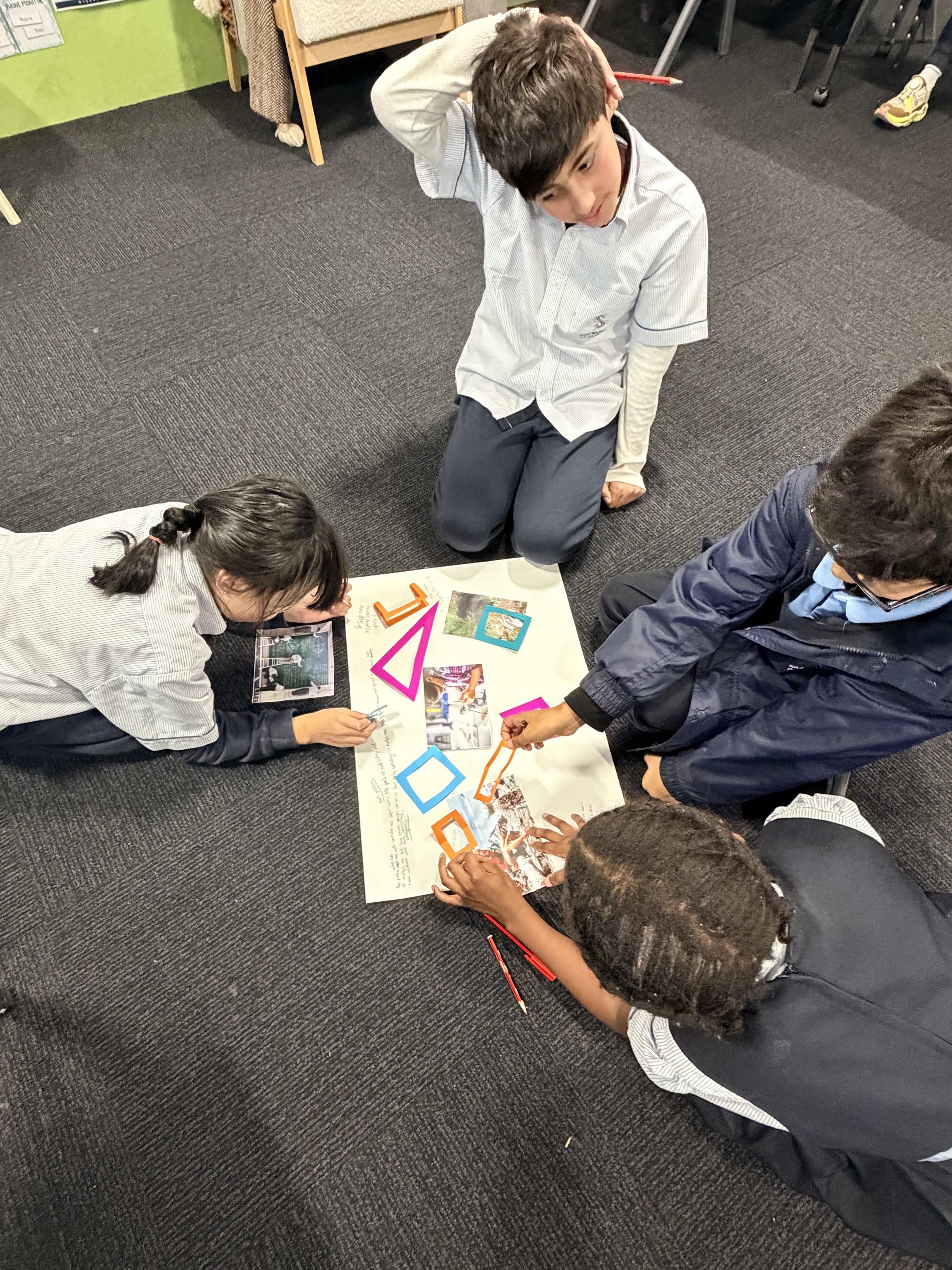
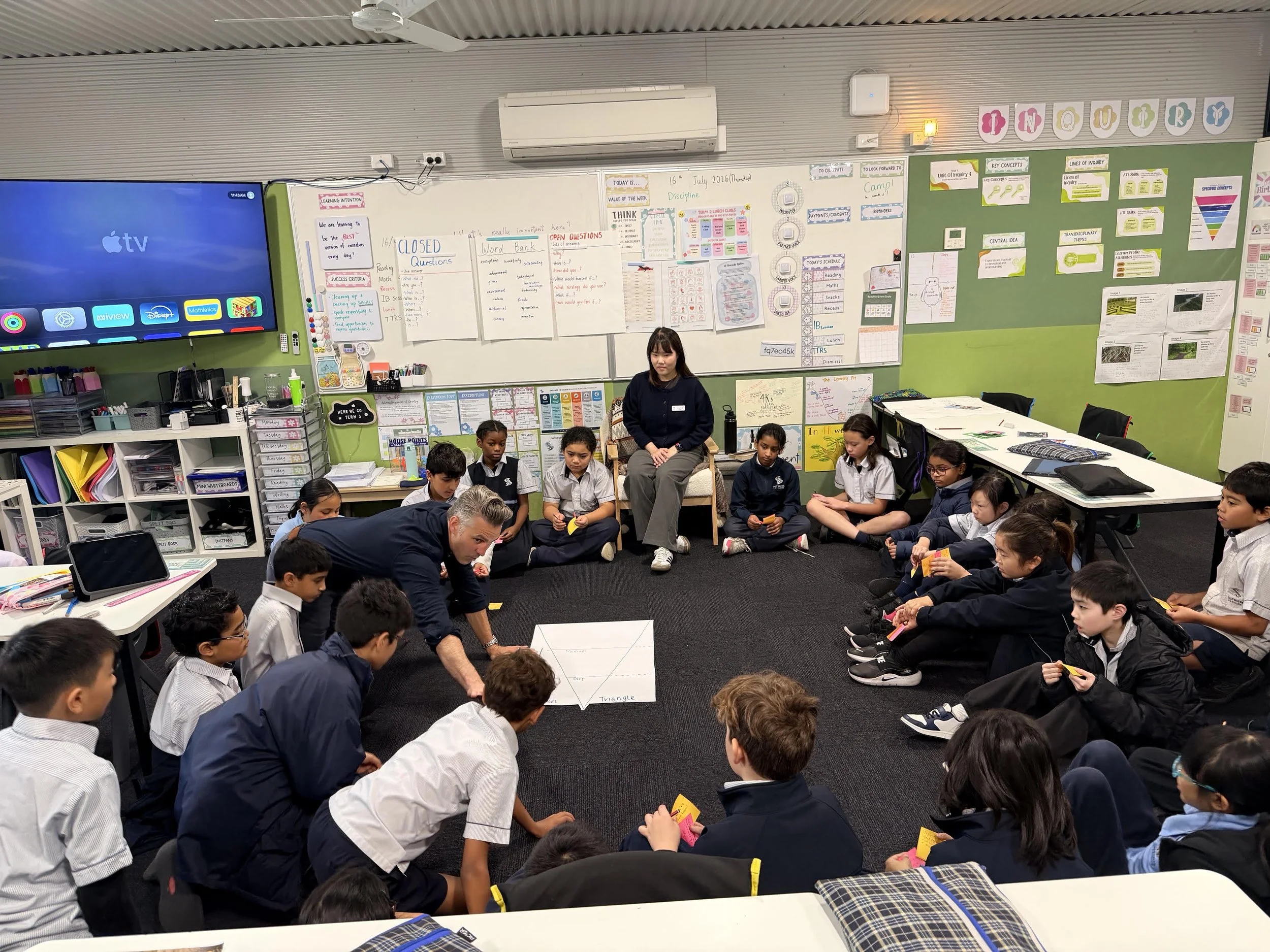
And last, teacher differentiation shifted from occurring at the front of the classroom to within the classroom. We planned for opportunities to sit with students as they were engaged in the structured bursts of independence. In some classrooms we called these “campfires” where students were working together, encircling their rich materials, allowing teachers the opportunity to observe learning, listen to student thinking, and sharpen their differentiation on a campfire by campfire basis. We were better able to meet the dynamic needs of our students because the learning design was dynamic. The myth of differentiation is that we must provide levelled tasks for learners (imagine mild, medium, and spicy). The reality is when the lesson design allows for teachers to be mobile in the classroom whilst students take genuine ownership over their learning, we are much more efficient and effective in our differentiation.
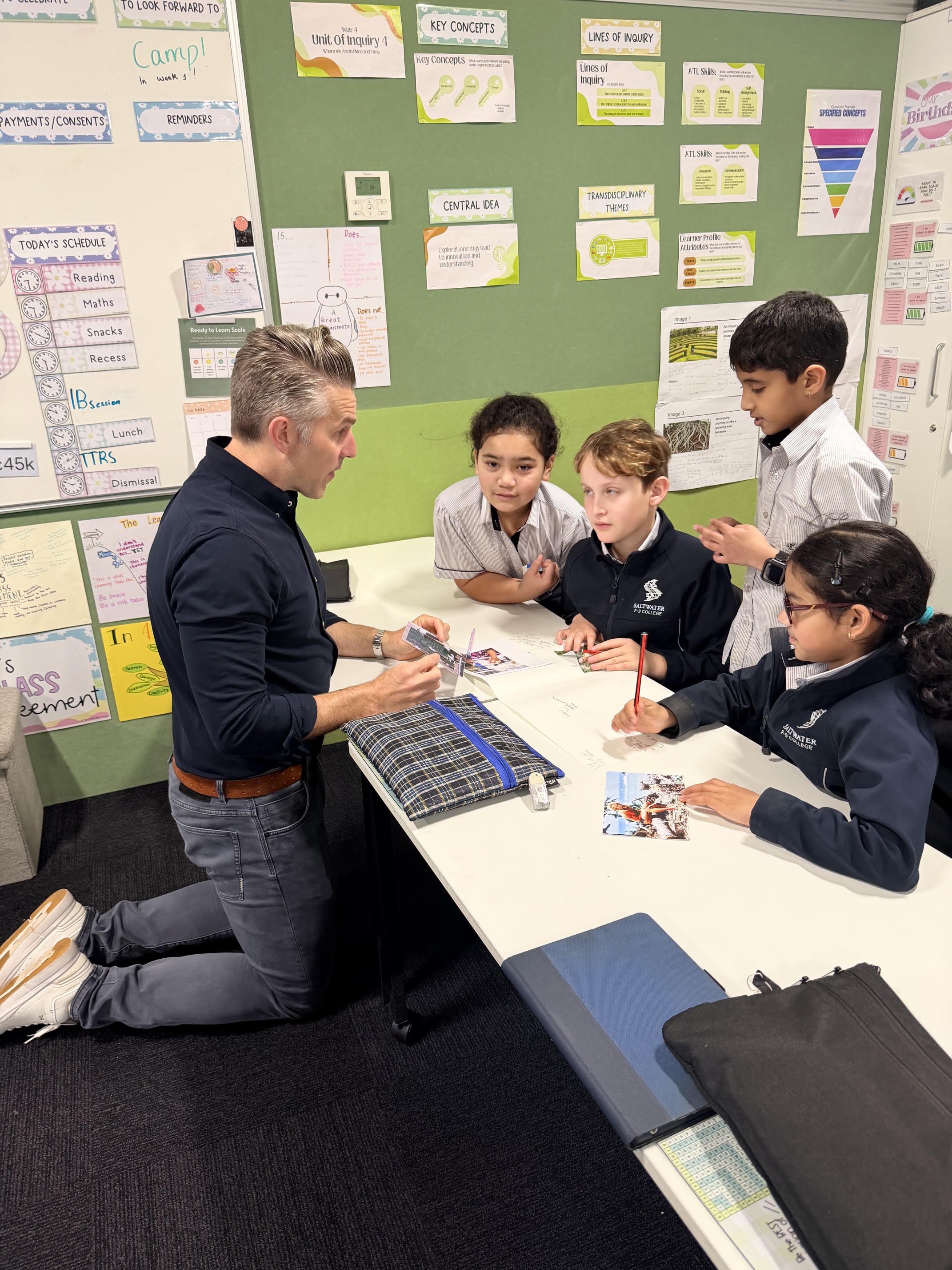
Time and time again, these four design features surfaced in the lesson planning, the lessons themselves, and in our debriefs as we reflected on the experiences with students. The structures we employed transcend any subject or domain area. They can be leveraged in any grade and age range of students.
A massive thank you to Saltwater P-9 in Melbourne, Wesley College in Melbourne, and Mercy College, Our Lady of Fatima, St. Pius X, and Salvado Catholic College and my friends at CEWA in Perth. Each of you hosting me to support teaching and learning at your site was an extremely fulfilling experience. Thank you!
How are you currently utilizing these design features in your own lessons?